


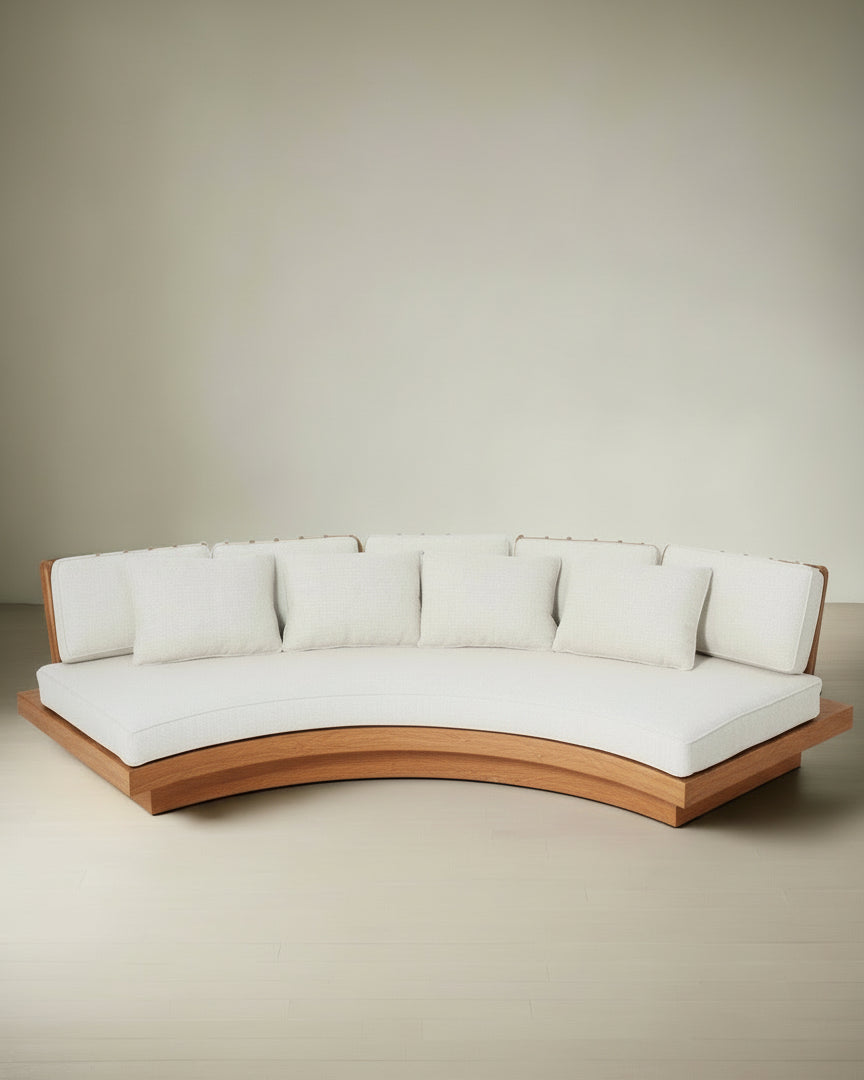
This collection features modernist and Scandinavian influences with a focus on abstract and geometric forms. Each sculpture demonstrates skilled craftsmanship and highlights the natural beauty of wood. The pieces include various shapes and volumes, creating visual interest that fits different interior styles. Abstract sculptures in this selection enhance any environment, connecting strongly to materials and contemporary design sensibilities.
Abstract sculpture
Show Filter
Sold out  Porter Studio
Ceramic Sculptural Dish
Price$308.00 -
Sold out
Les Objets AmsterdamCeramic Torso Sculpture
Price$694.00 -
Sundance Studio
Chroma - Woven Wall Hanging
Price$4,254.00 -
-
Studio Röder
Circular Studies
Price$7,667.00 -
Médecine
Clam Shell Bowl - Handmade Plaster Sculpture
Price$336.00 Sold out
Sundance StudioClarus - Woven Wall Hanging
Price$2,351.00 - ELIURPI
Column IX Sculpture
Price$4,813.00 Sold out
Sold out
Flock StudioContemporary Horse Sculpture
Price$191.00 -
-
Sold out
-
Sold out
-
Franck Scala
Coulée de Lave - Wall Sculpture
Price$4,466.00 Sold out
SpigelCubist Sculpture
Price$1,064.00 Sold out
Les Objets AmsterdamCubist Silhouette
Price$359.00 -
Emma Lindegaard Studio
Curve Object
Price$361.00 Sold out
Porter StudioCurved Polished Sculpture Pair
Price$437.00 Sold out
Collection apartDe Vecchi Milano Silver Sculpture
Price$997.00 Sold out
Les Objets AmsterdamDefined torso sculpture XL
Price$644.00 Sold out
Les Objets AmsterdamDelicate Female Upper Body
Price$420.00 -
Marina Mankarios
Diptyque Géométrique Sculpture
Price$1,064.00 Sold out
-
Marina Mankarios
Empilement Mural sculpture
Price$1,064.00 -
Karim Charlebois
Étude 38 - wood sculpture
Price$6,716.00 Sold out
Sold out
Sold out
Sold out
Sold out
RELIC LONDONFigurative Sculpture by Majalisa Alexandersson
Price$1,232.00 -
HOMA
Flow Line IV
Price$3,582.00 -
The Soucy Shop
Flutter Vase
PriceFrom $1,903.00 Sold out
VillaFolk Iron Windbell
Price$280.00 -
Puttenaers
Formes Architecturales - Sulpture
Price$3,302.00 -
Sold out Marina MankariosFragment #9
Price$1,064.00 -
Estudio Material
Fragments Milano Stack Sculpture
Price$14,551.00


Understanding the philosophy behind abstract sculpture
This collection showcases the beauty and complexity found in abstract sculpture. Each piece, primarily made from wood, reflects modernist and geometric influences. The choice of materials enhances the visual experience of every sculpture, balancing form and function. The natural characteristics of wood add warmth and texture, creating a connection with the artwork. These pieces encourage contemplation of space and shape.
Our approach to selecting abstract sculpture focuses on personal interpretation. Rooted in Scandinavian design, these sculptures often embody a minimalistic style that allows viewers to explore their own emotions. The lines and angles in each piece demonstrate craftsmanship and create a connection between the artwork and its surroundings.
By offering a diverse selection of abstract sculptures, we showcase the development of this art form. Each piece captures a moment in time and reflects the artistic movements that have shaped modern art. The sculptures in our collection illustrate how abstraction can convey creativity beyond literal representation.
Modern sculpture emerged in the late 19th and early 20th centuries as a shift from traditional forms. Artists began to embrace abstraction, moving away from representational styles. This change reflected broader cultural movements, such as industrialization and new philosophical ideas, leading to innovation. Materials like stone and wood became mediums for experimentation, allowing artists to explore form, space, and texture. Modern sculpture resonates with viewers, encouraging personal interpretation.
Throughout the 20th century, modern sculpture continued to evolve, influenced by various art movements, including Cubism and Surrealism. Artists experimented with geometry, abstraction, and scale, creating works that challenged viewers' perceptions. The cultural relevance of these pieces is significant; they often reflect societal changes and highlight the complexities of the human experience. Modern sculpture has found a prominent place in galleries and public spaces worldwide, continuing to inspire appreciation for the artist's intent and the context in which they were created.
Stone sculptures offer natural beauty and artistic expression, making them a great addition to any space. When incorporating stone into your decor, consider its weight and presence; a substantial stone piece can serve as a focal point, while smaller sculptures can enhance other elements in the room. Combining stone with materials like wood adds warmth and creates a balanced aesthetic.
Caring for stone pieces is straightforward, but attention to detail is important. Regular dusting with a soft cloth keeps the surface clean and prevents buildup that might dull its natural sheen. Avoid harsh chemicals or abrasive materials, as these can damage the stone's finish. To maintain its luster, consider using a gentle stone cleaner designed for the type of stone you have. With proper care, your stone sculpture will remain a beautiful and lasting part of your home.
Frequently Asked Questions
Our collection primarily features abstract sculptures crafted from wood. This material allows for a wide range of textures and finishes, enhancing the visual impact of the sculptures. The natural variations in wood grain contribute to the unique character of each piece, making it an excellent choice for showcasing abstract forms.
When selecting an abstract sculpture, consider your existing decor and the visual dialogue you wish to create. Think about scale, color, and form, geometric or organic shapes can evoke different emotions. We recommend envisioning how the sculpture will interact with light and space, as this can greatly influence the overall aesthetic of your room.
Abstract sculpture emerged in the early 20th century, breaking away from traditional representational forms. Influenced by movements like Cubism and Futurism, artists began to explore shape and color independently of visual reality. This transformation paved the way for diverse styles, including modernist and geometric approaches, leading to the rich variety of abstract sculptures we appreciate today.