


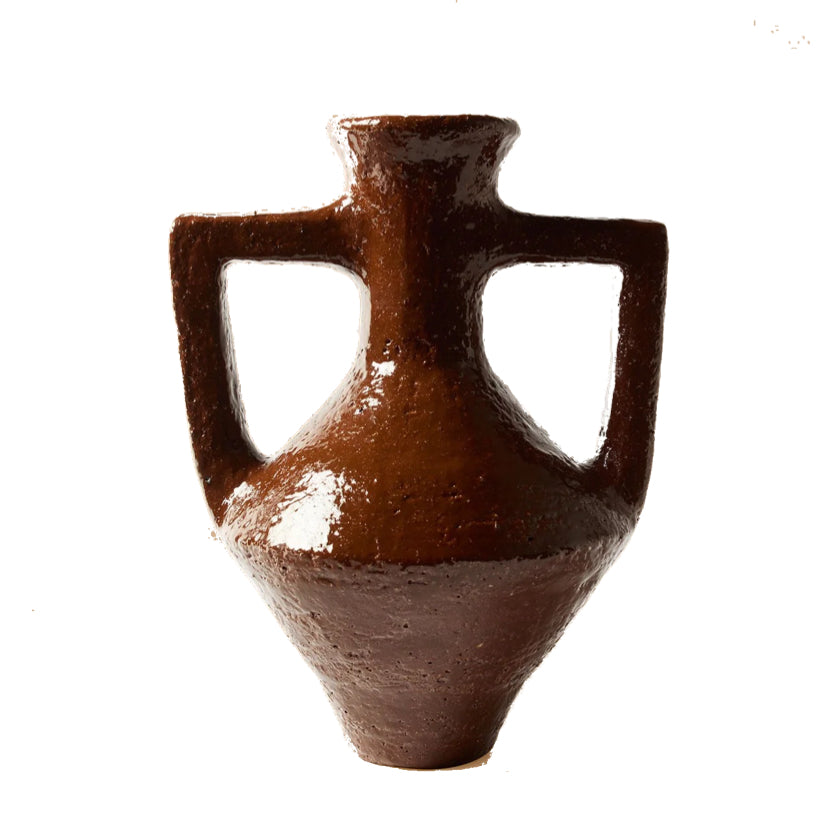
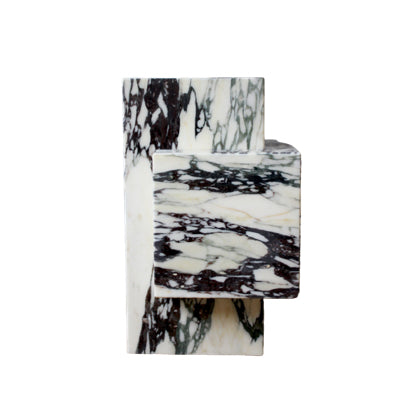
The Wabi-Sabi Stool collection, through its understated design language and use of natural materials, encapsulates the allure of imperfection. Rooted in the Japanese philosophy of Wabi-Sabi, these pieces reflect the beauty of transience and raw elegance. Each stool, with the skilled craftsmanship visible in the details, mirrors the artist's touch. The collection includes stools fashioned from materials like weathered wood and earthy ceramics, each bearing unique textures and organic forms. The Wabi-Sabi stool, in its humility, is a silent yet profound statement in any interior setting, praising the charm of authenticity and the natural cycle of life and decay.
Wabi-sabi stool
Show Filter
The Beauty of the Wabi-Sabi Stool in Our Collection
Styling with a wabi-sabi stool allows for a creative expression that embraces the imperfect. These stools can be placed in various settings, from a cozy corner of a living room to a serene outdoor space. For those looking to complement their decor, consider pairing these unique pieces with stylish chairs. Each piece invites conversation and reflection, adding depth to your decor while showcasing the philosophy of appreciating life’s imperfections.
Crafted from sustainable materials, every piece in this collection carries a story. The handmade nature of these stools means that no two are alike, creating an authentic connection to the past. As you incorporate these pieces into your home, they serve as gentle reminders of the transient nature of existence, bringing warmth and character to your environment.
Styling with a wabi-sabi stool allows for a creative expression that embraces the imperfect. These stools can be placed in various settings, from a cozy corner of a living room to a serene outdoor space. Each piece invites conversation and reflection, adding depth to your decor while showcasing the philosophy of appreciating life’s imperfections.
Rustic design emanates warmth and charm, often drawing on the beauty of natural materials and simplicity. This aesthetic celebrates imperfections, showcasing the unique character of handmade pieces. A rustic stool, for example, might feature uneven edges or a weathered finish that tells a story of its creation and history. Such elements invite a sense of authenticity into our spaces, making them feel lived-in and welcoming. The beauty of rustic design lies not just in its visual appeal, but also in the emotions it evokes, connecting us to nature and traditional craftsmanship.
Historically, rustic design has roots in rural living, where functionality and practicality were paramount. Craftspeople would create items from readily available materials, often incorporating local wood and stone. This approach is evident in the minimalist aesthetic, where each piece serves a purpose while enhancing the overall ambiance of a space. Over time, rustic design has evolved, inspiring contemporary creators to blend modern sensibilities with traditional techniques. Today, rustic pieces are celebrated not only for their utility but also for their ability to evoke nostalgia and a sense of place.
Minimalist design shines through its ability to create harmony in a space. By incorporating handmade pieces that embody simplicity and authenticity, like a beautifully crafted stool, you can enhance the overall aesthetic of your environment. These items often feature organic materials and subtle imperfections that tell a story, seamlessly blending functionality with artistry. The beauty of minimalist decor lies in its focus on the essentials, allowing each piece to breathe and speak for itself, rather than competing for attention. This creates a serene atmosphere, perfect for relaxation and reflection.
When styling your space, consider the balance between rustic charm and minimalist aesthetics. Position your stool in areas where it can serve both as a functional seat and a sculptural accent. Pair it with neutral color palettes and natural textures to enhance its appeal. Furthermore, avoid overcrowding your space with excessive decor; instead, let the stool stand out as an inviting focal point. Remember, the essence of minimalist design is to curate a space that feels open and inviting while highlighting the unique qualities of each item within it.
Frequently Asked Questions
When selecting a wabi-sabi stool, consider the natural imperfections that embody its aesthetic. Look for organic materials such as wood, ceramic, or stone that exhibit unique textures and colors. Each piece should reflect a sense of authenticity and simplicity, capturing the beauty of transience. Additionally, consider the stool's form and function to ensure it aligns with your space and personal style.
Caring for a wabi-sabi stool involves gentle maintenance that preserves its natural beauty. For wooden stools, use a soft cloth to dust regularly and apply natural oils to nourish the wood. Avoid harsh chemicals; instead, clean spills with a damp cloth. For ceramic or stone, simply wipe with a mild detergent and water. Embrace the natural wear as it contributes to the stool's character over time.
Key characteristics of a wabi-sabi stool include organic shapes, irregular forms, and a focus on natural materials. It often features visible imperfections, such as knots in wood or uneven glazes in ceramics, which celebrate the beauty of impermanence. The design philosophy emphasizes simplicity, minimalism, and the idea that beauty can be found in asymmetry and the passage of time.