


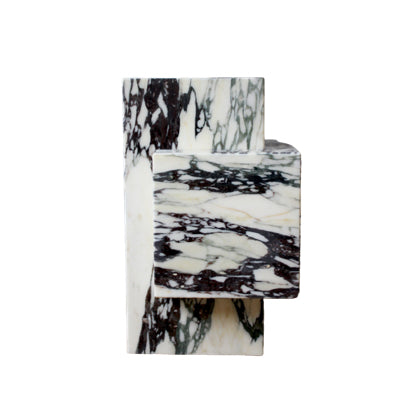
The Vintage Low Table collection includes pieces made from quality materials like teak, rosewood, and brass. These tables embody mid-century modern design with clean geometric lines. From retro coffee tables to antique tables, each vintage low table showcases skilled craftsmanship and timeless design.
Vintage low table
Show Filter
The craft of selecting a vintage low table
Choosing vintage furniture supports sustainability and the charm of reusing items with a past. Collectors and decorators can incorporate unique elements into their spaces.
Our collection features a variety of materials, from rich woods to sleek metals, allowing for distinctive expressions in each home. These vintage pieces fit well with different decor styles, whether modern or traditional.
Each vintage low table preserves the craftsmanship of the past while offering beauty today. These tables serve functional purposes and enhance the overall ambiance of a space.
Antique furniture reveals past aesthetics and craftsmanship. Each piece often reflects the social and cultural contexts of its era. The materials used, such as rich mahogany and delicate inlays, demonstrate the skill involved in their creation. These elements provide insight into the historical context of furniture design.
Antique low tables have evolved through various artistic movements like Art Deco and mid-century modern. These tables often feature intricate details, from ornate carvings to sleek lines, showing how functionality and aesthetics coexist. Incorporating these pieces into your home respects the craftsmanship and history behind each table.
Mid century modern design is known for clean lines, organic forms, and functionality. When adding this aesthetic to your home, consider how these elements create a cohesive atmosphere. A low table with sleek legs and a minimalist top can serve as a centerpiece in the living room, complementing surrounding furniture.
Styling a mid century modern space requires balancing colors and materials. Choose warm woods, soft pastels, and bold accent pieces to create visual interest. Accessories like geometric-patterned cushions or abstract art can enliven your décor. Keeping the tabletop clutter-free maintains the clean lines characteristic of this style. A well-placed vase or a stack of vintage books can add the right touch without overwhelming the space.
Frequently Asked Questions
Vintage low tables often feature distinct design elements that reflect the era they were made in, such as mid-century modern clean lines or ornate details from earlier periods. They may be crafted from hardwoods like walnut or teak, showcasing rich grains and finishes. Their proportions allow for versatile use, blending functionality with aesthetic appeal.
To style a vintage low table within modern decor, balance its classic elements with contemporary accessories. Pair it with minimalistic decor, such as a simple vase or geometric art pieces, to create an engaging contrast. Using neutral tones for surrounding furniture enhances the table’s vintage characteristics, allowing it to serve as a focal point in the room.
Authentic vintage low tables can often be sourced from antique shops, estate sales, or specialized vintage markets. Online platforms dedicated to vintage and antique furniture are also great resources, where detailed descriptions and provenance help ensure authenticity. Connecting with local galleries or vintage furniture collectors may lead to unique finds in your search for quality pieces.