


A chair from 1950s Italy, a Scandinavian cabinet from the 1960s, and a postmodern table from the 1980s may all be described as vintage, despite belonging to entirely different worlds. What unites them is not a style, but a history. These are pieces that have already lived, travelled through time, and remained relevant long after the movements that produced them have passed. This selection explores the richness and diversity of twentieth-century design through furniture chosen for its presence, originality, and enduring appeal. Some pieces are celebrated icons. Others are anonymous discoveries whose quality speaks for itself. Together, they offer a perspective on design that feels more personal, layered, and lasting than any single trend could provide.
Vintage Furniture
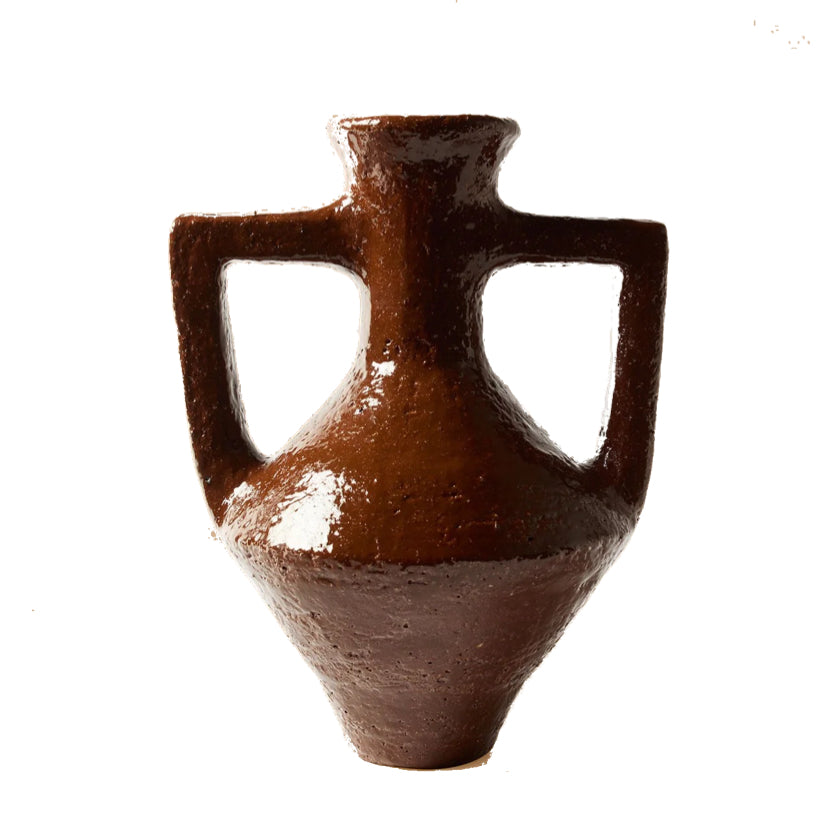
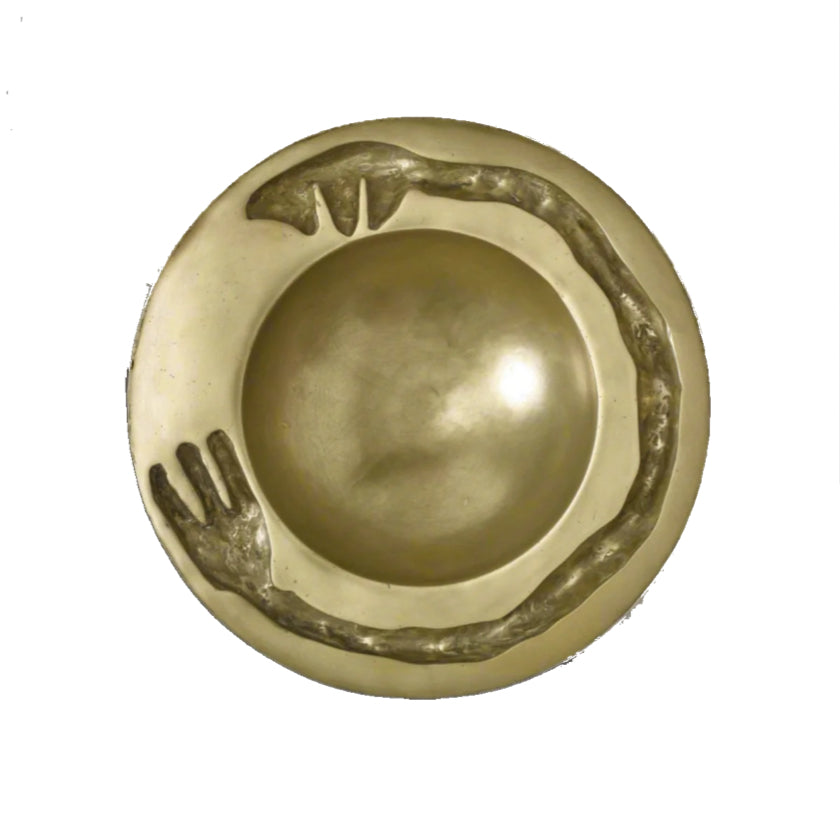
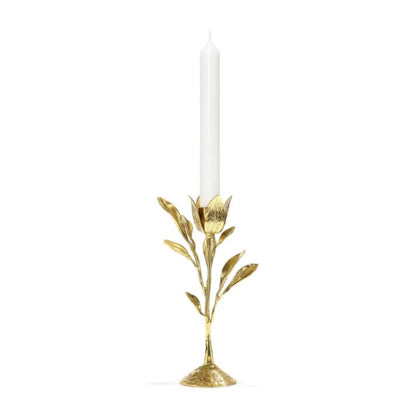
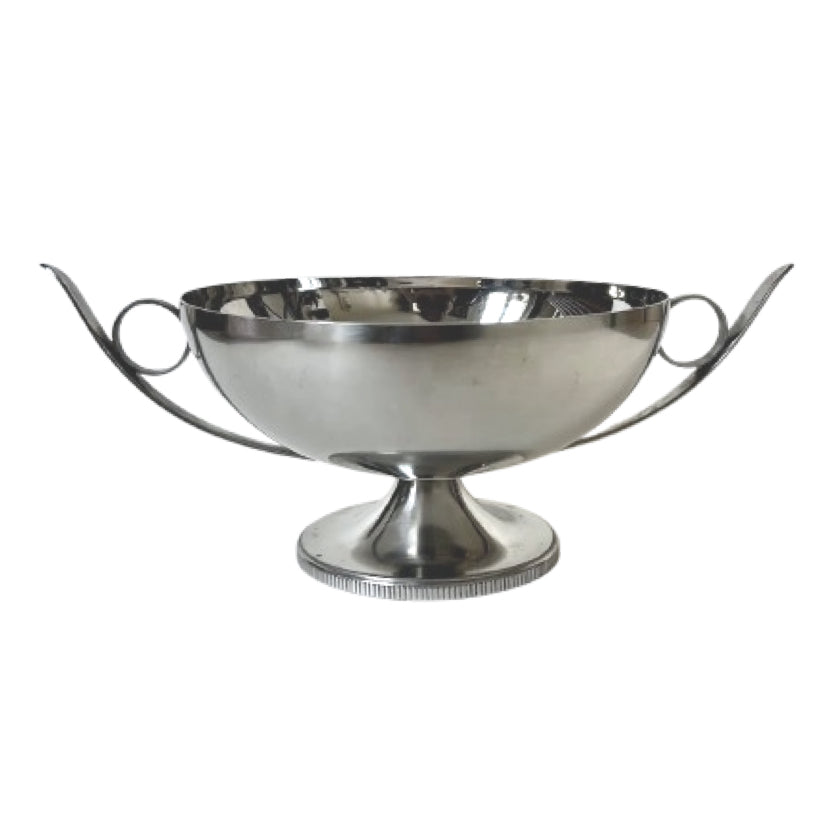
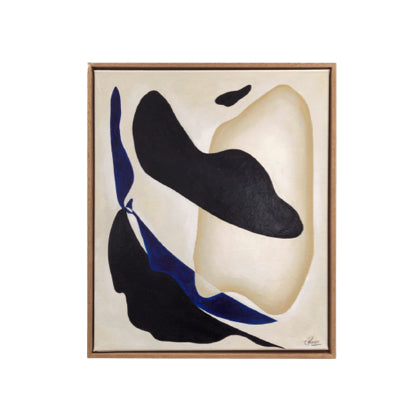
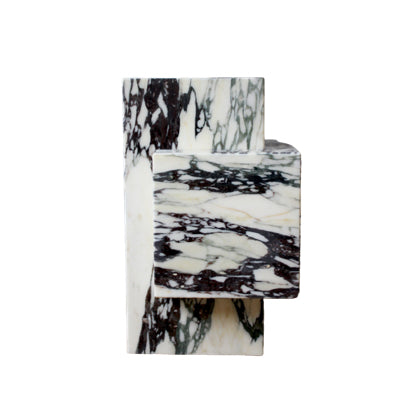
The Enduring Appeal of Vintage Furniture in Contemporary Interiors
Vintage furniture brings historical depth, material richness and individuality into contemporary interiors in ways that mass-produced pieces rarely achieve. At The Oblist, our curated collection of vintage furniture spans major 20th-century design movements, from early Art Deco to postmodernism, with a particular emphasis on collectible European and Brazilian design from the 1950s to the 1980s.
Unlike contemporary furniture designed for rapid consumption, vintage pieces often reveal extraordinary craftsmanship, noble materials and proportions refined over decades of design evolution. Patinated wood, hand-finished metalwork and original upholstery contribute to the atmosphere and authenticity collectors seek today. Each piece reflects the aesthetic language of its period while remaining remarkably adaptable to modern architectural interiors.
Our curation philosophy prioritizes provenance, condition and sculptural presence. Whether sourcing a rare Italian sideboard, a Brutalist coffee table or a sculptural mid-century armchair, we focus on pieces capable of anchoring a room while carrying genuine historical relevance. Vintage furniture is not simply decoration — it represents a dialogue between design history and contemporary living.
The vintage furniture market encompasses some of the most influential design movements of the 20th century. From the geometric elegance of Art Deco furniture to the organic restraint of mid-century modern furniture, each period reflects a distinct cultural and architectural vision. Materials, construction techniques and proportions evolved dramatically throughout the century, creating collectible pieces that continue to influence contemporary interiors today.
Collectors increasingly explore transitional movements and lesser-known periods such as postmodern furniture or early 1920s Art Deco furniture, where experimentation with geometry, color and materiality produced highly distinctive collectible objects. The diversity of the vintage market allows collectors to create interiors that feel layered, personal and historically informed rather than stylistically uniform.
The most compelling contemporary interiors often combine vintage furniture with restrained architectural backgrounds. A single collectible chair, sideboard or dining table can structure an entire space while introducing warmth and material complexity. Vintage furniture also offers sustainability advantages, extending the lifespan of pieces originally built to endure generations rather than trends.
For interior designers and collectors working on residential or hospitality projects, sourcing authentic vintage furniture requires expertise in provenance, logistics and restoration. Through our Architect & Designer Trade Program, The Oblist provides sourcing assistance, preferential pricing and project-based logistics support tailored to international design professionals.