


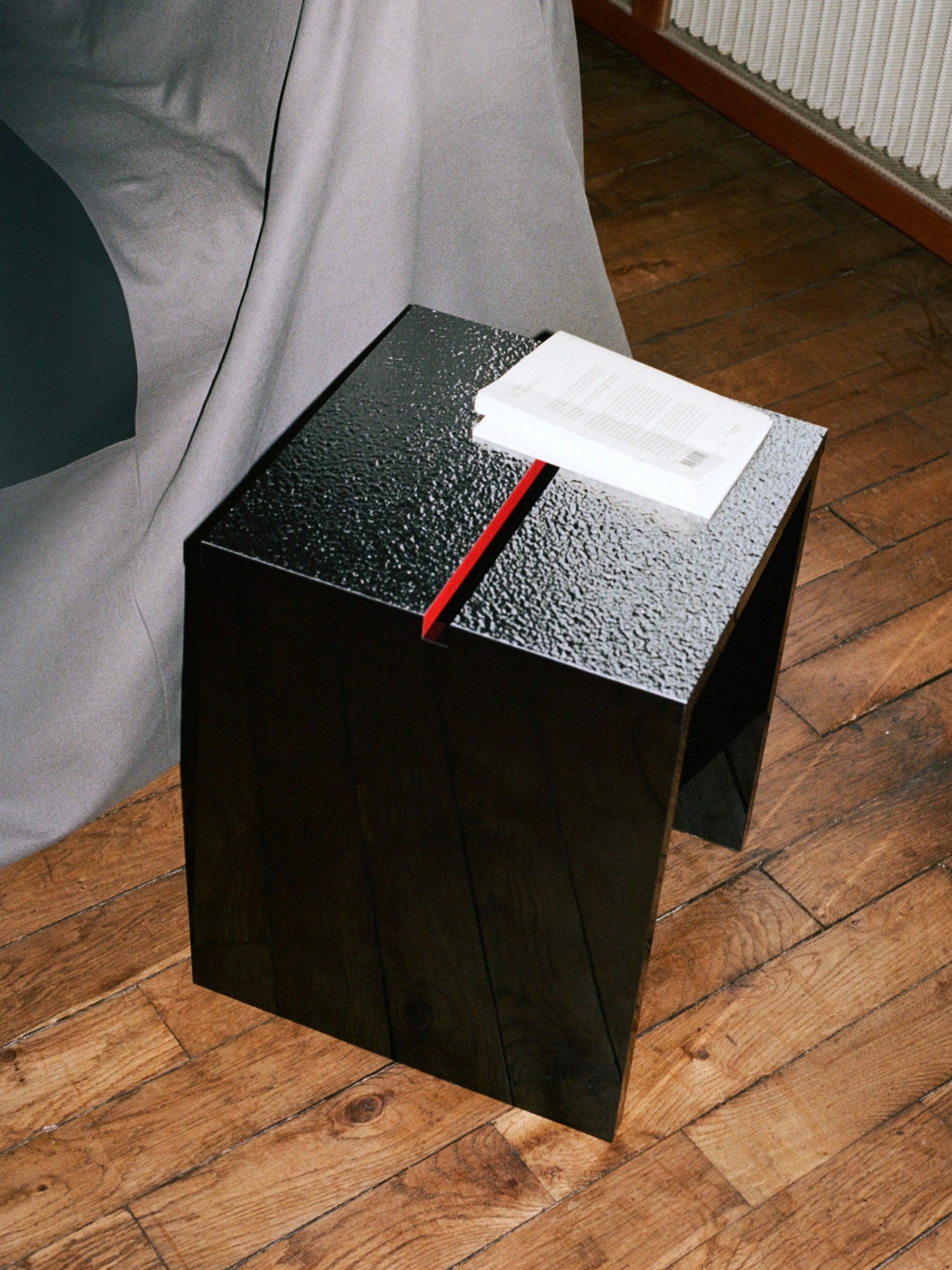
With an esteemed history spanning centuries, Traditional Chinese Furniture Design is a testament to the refined craftsmanship and intricate aesthetics of the East. This collection showcases pieces that reflect the profound ingenuity of traditional Chinese joinery, where hand-cut dovetails and complex mortise-and-tenon joints reveal the meticulous attention to detail. It offers a varied selection of materials like rosewood, bamboo, and lacquered wood each telling a story of its origin. The design patterns, often symbolizing prosperity and good luck, add an enriching layer of cultural significance. This collection presents a harmonious blend of functionality and beauty that is intrinsic to Traditional Chinese Furniture Design.
Traditional chinese furniture design
Show Filter
The Art of Traditional Chinese Furniture Design
Choosing traditional Chinese furniture is not merely about aesthetics; it’s about integrating a piece of history into your home, much like the charm found in vintage furniture. Each item serves as a reminder of the values of simplicity, elegance, and craftsmanship that have been cherished for generations.
What sets this collection apart is the thoughtful selection of pieces that embody cultural significance and artistic expression. Each item tells a story, offering a glimpse into the past while seamlessly fitting into contemporary interiors. The attention to detail, from intricate carvings to graceful lines, is a testament to the skill of the artisans who create them. With an emphasis on sustainability and craftsmanship, our curation is designed to resonate with those who appreciate the deeper meaning behind their furniture choices.
Choosing traditional Chinese furniture is not merely about aesthetics; it’s about integrating a piece of history into your home. Each item serves as a reminder of the values of simplicity, elegance, and craftsmanship that have been cherished for generations. This collection invites you to find joy in the beauty of well-made furniture, where every curve and joint reflects a dedication to quality and artistry.
Authentic Chinese furniture embodies a rich tapestry of history, craftsmanship, and cultural significance. Each piece is a testament to the artistry developed over centuries, reflecting the philosophical and aesthetic values of Chinese society. The meticulous attention to detail in the joinery, the use of natural materials like hardwoods, and the intricate carvings often tell stories that connect the owner to their heritage. This furniture is not merely functional; it serves as a bridge to the past, communicating the values of harmony, balance, and respect for nature that are central to Chinese culture.
The elegance of authentic Chinese design is evident in its simplicity and functionality. Traditional forms such as the Ming and Qing styles focus on clean lines and proportion, allowing the beauty of the wood to shine through. The use of symbolic motifs in carvings, such as dragons and phoenixes, further enhances the aesthetic appeal while embodying deeper meanings related to prosperity and good fortune. Choosing authentic pieces can truly enhance any space, offering not just beauty but also a sense of history and identity. Each item resonates with craftsmanship, inviting admiration and contemplation.
Integrating elegant pieces into your home can be a delightful way to create a warm and inviting atmosphere. Authentic craftsmanship shines through in every curve and detail of these unique creations. When introducing such exquisite furniture, consider the overall aesthetic of your space; it should complement rather than compete with existing decor. A well-placed elegant chair or a beautifully crafted table can serve as a stunning focal point, drawing the eye and inviting conversation.
Styling with elegant furniture involves balancing various elements to enhance their beauty. Pairing elegant pieces with softer textures like woven fabrics or plush cushions can create a harmonious environment. Consider layering lighting to highlight the intricate details of your furniture; a gentle glow can accentuate the elegance of your surroundings. Additionally, incorporating natural elements, such as plants or wooden accents, can further complement the authentic charm of your elegant furniture, bringing warmth and life to your space.
Caring for your elegant furniture is essential to maintain its beauty over time. Regular dusting with a soft cloth helps prevent the buildup of debris that can dull its finish. For wooden pieces, applying a quality furniture polish will enhance its luster while protecting it from scratches. Avoid exposing your elegant furnishings to direct sunlight, as this can lead to fading and deterioration. By following these simple care tips, you can ensure that your treasured pieces remain as elegant as the day they arrived in your home.
Frequently Asked Questions
When selecting traditional Chinese furniture design, focus on craftsmanship, materials, and historical significance. Look for solid hardwoods like mahogany or elm, intricate joinery techniques, and hand-carved details. Consider the furniture's provenance and how it reflects cultural elements, such as symbolism and functionality in everyday life. Understanding these aspects enhances appreciation for the artistry and tradition behind each piece.
Caring for traditional Chinese furniture requires gentle maintenance. Regularly dust with a soft cloth to prevent dirt buildup and avoid harsh chemicals that can damage the finish. Use a wood conditioner specifically designed for hardwoods to nourish the wood. Additionally, maintain stable humidity levels to prevent warping or cracking, and avoid direct sunlight to preserve the color and integrity of the finish.
Key characteristics of traditional Chinese furniture design include simplicity, elegance, and functionality. Pieces often feature clean lines, harmonious proportions, and restrained ornamentation. Materials used are typically solid woods, showcasing natural grain patterns. Common design elements include round or square shapes and intricate carvings that reflect cultural significance. This design philosophy emphasizes balance and a connection to nature, which are central to traditional Chinese aesthetics.