


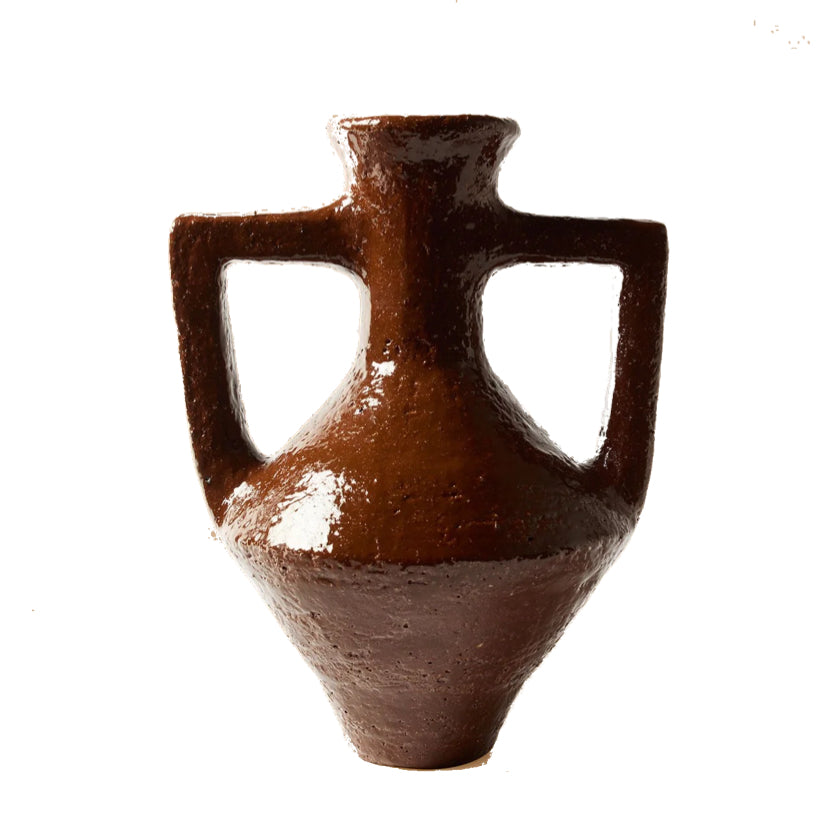
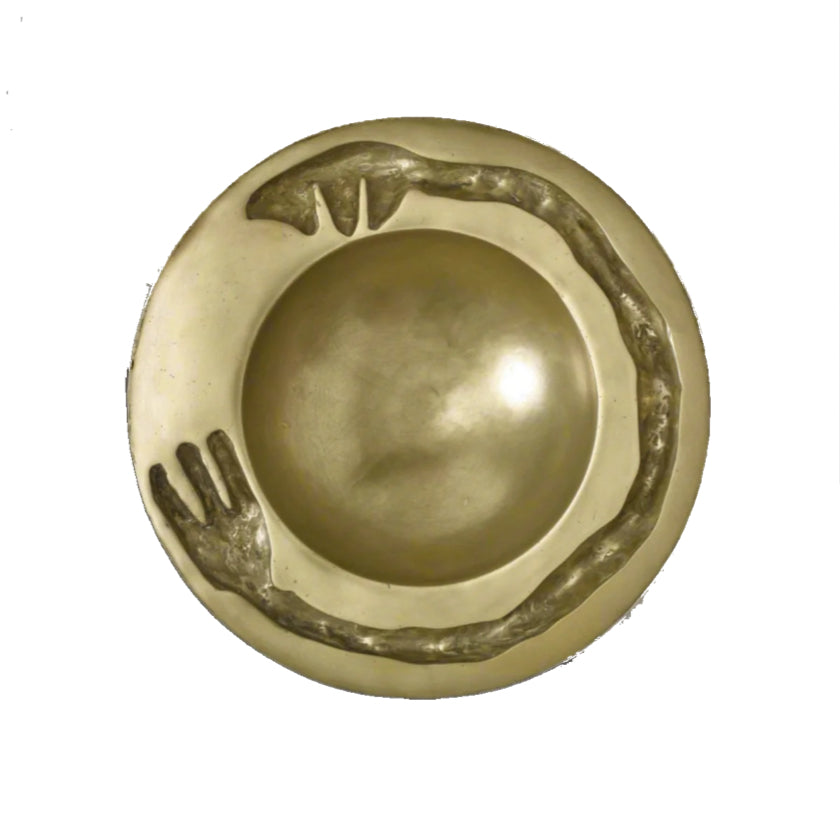
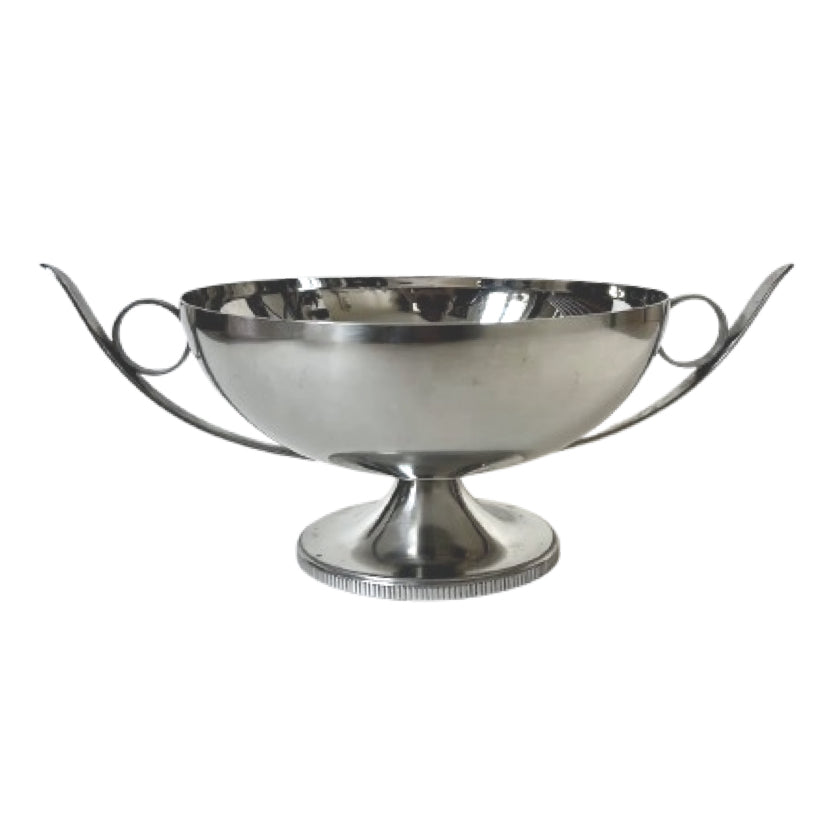
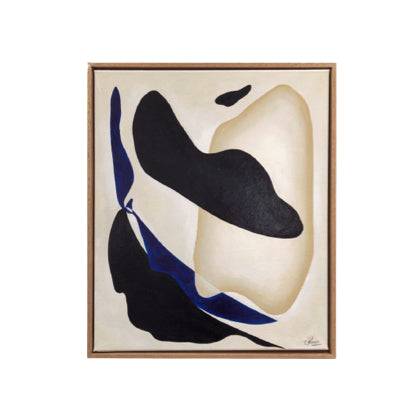
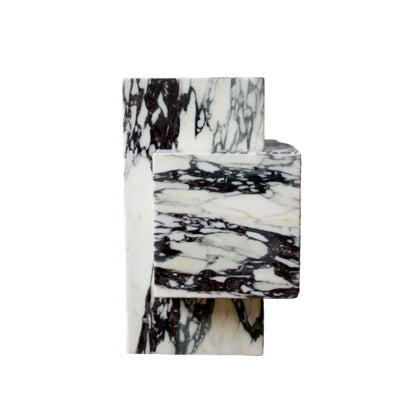
This collection highlights the principles of postmodernism. Originating from the late 20th-century design movement, these items feature bold colors, unique shapes, and a variety of materials. You will find distinctive furniture and geometric lighting that reflect the essence of postmodern furniture design. This selection allows you to introduce postmodern interior design into your home, celebrating artistic expression and individuality.
Postmodern interior design
Show Filter
Understanding the philosophy of postmodern interior design
In our selection of modern home decor, you will find elements that blend tradition and innovation.
This selection includes pieces that combine historical references with modern design. From vibrant color palettes to unexpected materials, each item tells a story that connects with contemporary values. This approach acknowledges the past while redefining ideas of beauty and utility.
Postmodern design embraces contradiction and irony. It blurs the lines between art and daily life. This collection includes items that can add character to any space.
Furniture reflects cultural trends, particularly shifts in design philosophy. The furniture from the late 20th century showcases a mix of functionality and artistic expression. Designers began focusing on utility alongside the artistic value of furniture. This marked a shift from minimalist aesthetics to a more eclectic style, where bold colors, unique shapes, and mixed materials became prevalent. Furniture evolved into an art form, with pieces that often sparked discussions.
Historically, furniture has served as a canvas for societal values. The rise of innovative materials like acrylic and metal after World War II signified a move toward embracing the new and unconventional. Designers such as Gaetano Pesce and Alessandro Mendini demonstrated how furniture could break away from traditional forms, introducing playful designs that celebrated individuality. These pieces often contained elements of irony and humor, making them not just functional items but also reflections of the cultural climate of their time. Consequently, furniture became essential not only to interior spaces but also to the broader narrative of modern design history.
Eclectic decor allows for a mix of styles, colors, and textures, creating spaces that express your personality. Pair vintage furniture with contemporary pieces. A bold, graphic rug alongside soft, neutral upholstery creates a visual dialogue. Layering decor elements like artwork, sculptures, and textiles enhances the depth of a room.
When selecting decor, balance is essential. Too many contrasting elements may overwhelm, while a harmonious blend can create comfort. Consider scale and proportion; a large piece of art can serve as a focal point, grounding smaller decor items around it. Lighting plays a key role in setting the mood, so choose fixtures that illuminate the space and complement the overall decor style. By thoughtfully combining these elements, your decor can tell a story that is distinctly yours.
Frequently Asked Questions
Postmodern interior design is known for its eclecticism, bold colors, and a playful approach to form and function. It often includes historical references and irony, standing in contrast to the minimalism of modernism. Common materials include glass, metal, and plastic, along with geometric shapes and asymmetrical layouts, creating spaces that are visually dynamic.
To add postmodern elements, mix furniture styles, use vibrant colors, and choose art pieces that evoke whimsy or irony. Layer textures with materials like lucite, reclaimed wood, and plush fabrics to enhance depth. Integrating geometric patterns in textiles or wall art can help establish a cohesive postmodern aesthetic.
Yes, postmodern interior design remains relevant today, especially among those seeking individuality in their spaces. Its revival is evident in the use of vintage postmodern furniture and bold design choices. The playful nature of the movement and its embrace of diversity allow it to adapt and thrive, influencing contemporary design trends while honoring its historical context.