


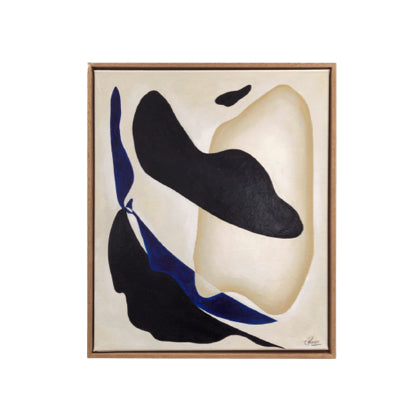
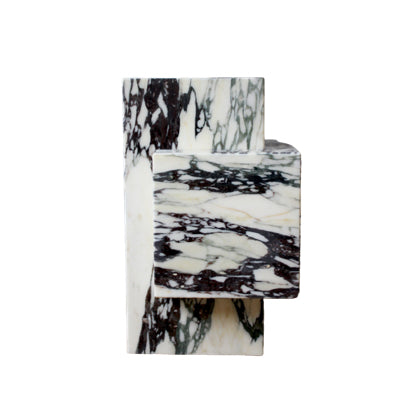
Our collection of minimalist wall decor focuses on clean lines and essential forms. Each piece is made from materials like metal, wood, and canvas, offering modern art paintings and abstract works that fit seamlessly into various spaces. The contemporary abstract art here uses precise lines and colors, contributing to a calm atmosphere in any room. This minimalist wall decor allows collectors and design enthusiasts to appreciate simplicity in design.
Minimalist wall decor
Show Filter
Understanding the philosophy behind minimalist wall decor
Incorporating these pieces into your environment enhances your modern home decor.
Our collection includes a variety of artworks that embody minimalist principles. Each piece complements different interior styles while maintaining cohesion. The careful use of color palettes and geometric shapes highlights the clean lines typical of minimalist design, ensuring that the decor integrates smoothly into your living space.
With a focus on quality and purposeful design, each artwork in this collection enhances your space. The understated elegance of minimalist wall decor is ideal for home offices, bedrooms, or any area where you want a calm environment. Adding these pieces to your surroundings creates a space that supports creativity.
Minimal art focuses on simplicity and clarity, using essential elements while removing the unnecessary. This art form often features geometric shapes, monochromatic palettes, and a limited number of materials. Its balance between space and form allows viewers to appreciate the nuances of line and texture. Artists like Donald Judd and Agnes Martin exemplify these principles, making minimal art visually engaging.
Minimal art emerged in the late 1950s and gained prominence during the 1960s. It arose as a response to the emotional excesses of abstract expressionism, favoring a more restrained aesthetic. This movement marked a cultural shift, as society began to appreciate functionality and simplicity across various aspects of life. Today, minimal art continues to resonate, often appearing in modern art paintings and wall decor.
Incorporating modern art painting into your home can enhance the aesthetic, especially when simplicity is your aim. Minimal art often features bold colors and clean lines. A well-placed modern art painting can become a focal point in a room. When choosing pieces, consider the color palette of your existing decor to ensure that the artwork complements your surroundings.
When styling your modern art painting, consider scale and placement. Large pieces suit expansive walls, while smaller works can be grouped for a gallery wall effect. Room lighting is important; a well-lit painting can highlight its colors and details. Adding natural elements like plants can create a harmonious balance, enhancing the overall impact of the artwork in your home.
Frequently Asked Questions
Minimalist wall decor focuses on clean lines and essential forms, often featuring monochromatic palettes and a focus on essential elements. This design philosophy originated in the late 20th century, rooted in modern art movements that sought to strip away excess. Our collection showcases pieces that embody these principles, utilizing materials such as metal, canvas, and wood to create a serene aesthetic.
To style minimalist wall decor effectively, consider balance and spacing. Group artwork in odd numbers and leave ample wall space to prevent overcrowding. Incorporate varying textures, like sleek metal frames or soft textiles, to add depth. Neutral colors work well, but you can also introduce subtle accents to maintain a minimalist vibe, emphasizing the art's form and composition.
Yes, minimalist wall decor can incorporate color. While the foundation of minimalism often leans towards a muted palette, carefully selected bold colors can serve as focal points without overwhelming the space. Works from contemporary abstract artists frequently blend vibrant hues with minimalist principles, allowing the color to enhance the overall simplicity.