


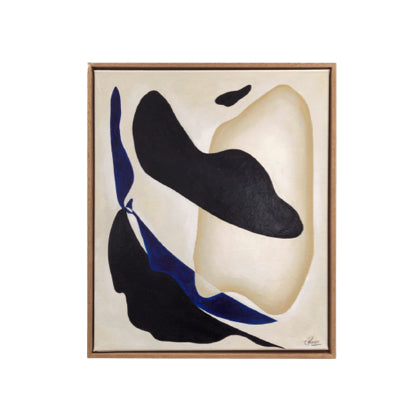
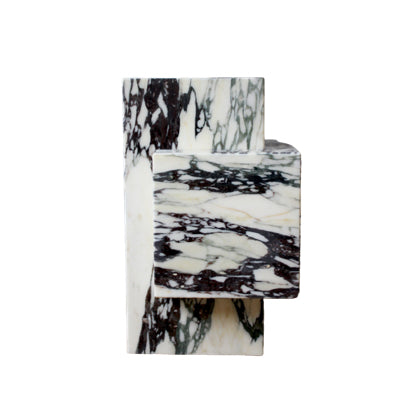
The Minimalism Sculpture collection at The Oblist offers a collection of pieces that embody order and simplicity. Each sculpture reflects minimalist design, focusing on essential elements and refined elegance. These works feature clean lines, geometric shapes, and a limited color palette, often made from materials like metal, stone, and glass. The collection spans various periods and regions, illustrating the development of minimalist art and its connection to sophistication. Each piece stands as a representation of minimalism sculpture.
Minimalism sculpture
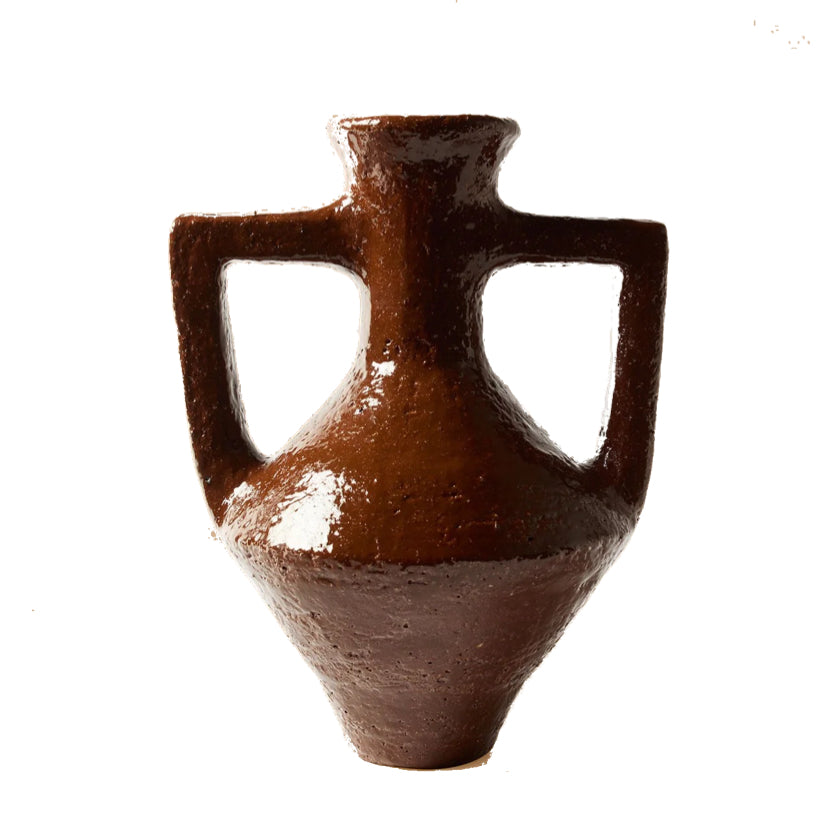
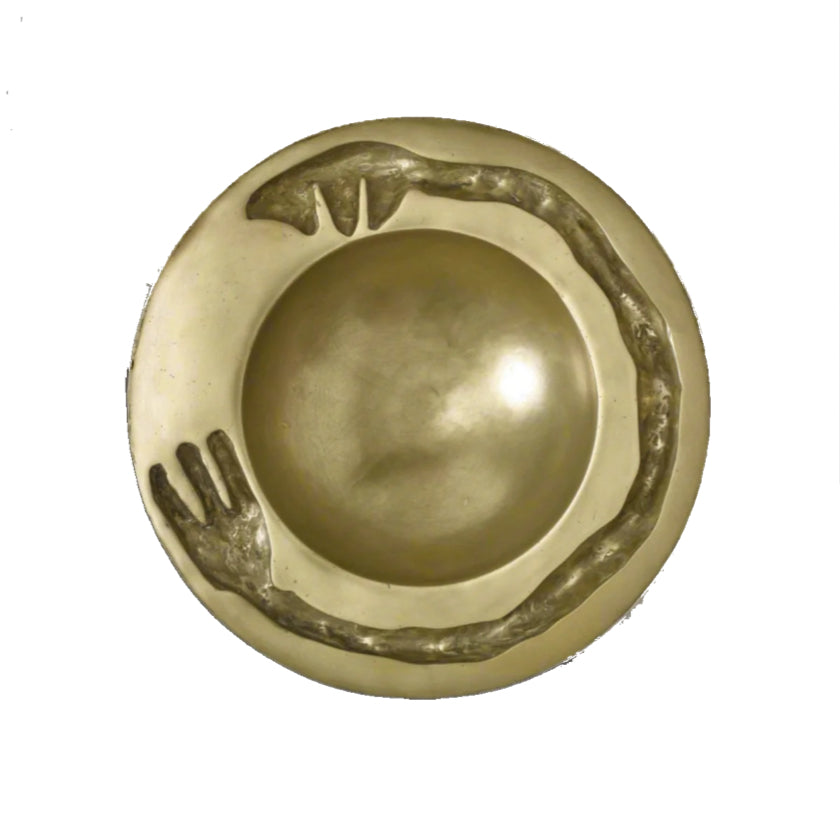
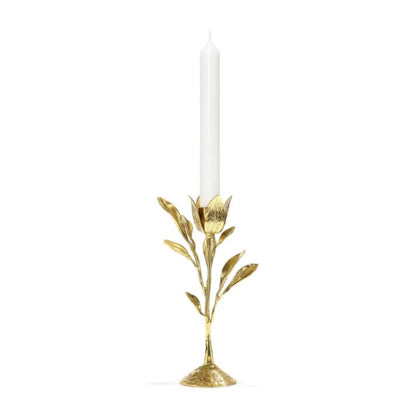
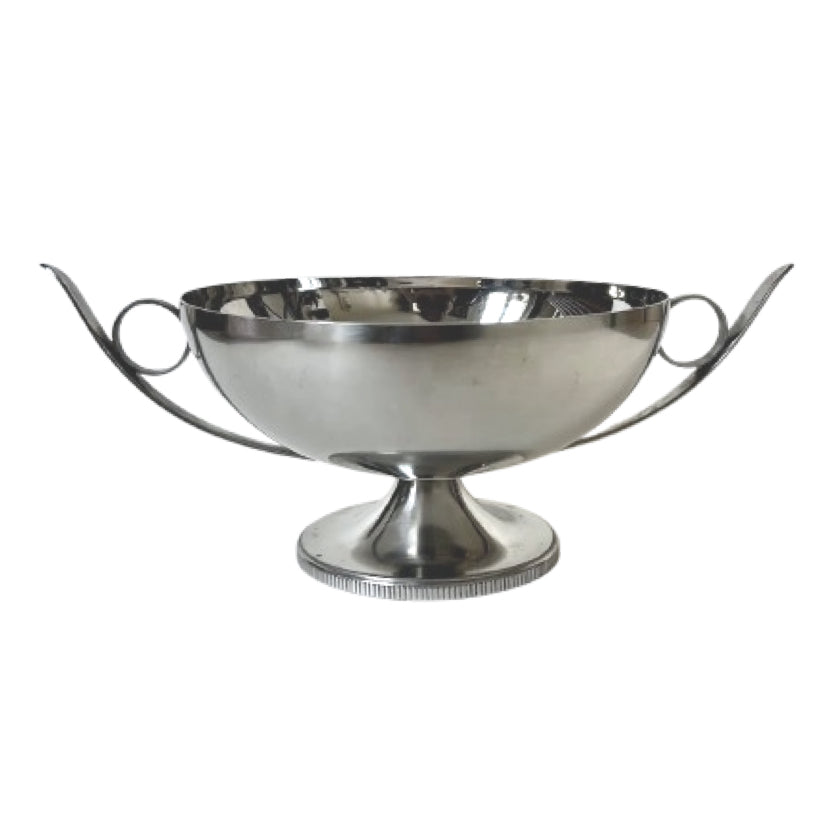
Show Filter
Understanding the philosophy of minimalism sculpture
Minimalism sculpture values simplicity and clarity, removing unnecessary elements to reveal the essence of form. This collection includes works from the minimalist art movement, where beauty comes from pure shapes and colors. Each piece engages viewers with the relationship between space and material. In this context, minimalism sculpture is not just an aesthetic choice but also reflects a philosophical perspective on existence and perception.
This collection emphasizes the idea that simplicity can convey depth. Each sculpture is selected for its ability to communicate through its form. By focusing on essential elements, these works prompt contemplation, allowing viewers to connect with the art. The space around each piece enhances its presence, creating a calm environment that highlights minimalism.
The craftsmanship behind each sculpture is evident. Artists who focus on minimalism explore materials and techniques that reveal their forms. This commitment to quality and intentional design is clear in every piece. The works in this collection aim to inspire appreciation for beauty found in simplicity.
Minimalist art emphasizes simplicity and form, showcasing an appreciation for essential design components. This movement removes unnecessary details, focusing on clean lines, geometric shapes, and a restrained color palette. Artists like Donald Judd and Agnes Martin show how minimalist art can communicate through the absence of complexity. Each piece encourages viewers to engage with the surrounding space, emphasizing the relationship between the artwork and its environment.
The roots of minimalist art date back to the 1950s and 1960s, emerging as a response to Abstract Expressionism. Influenced by cultural movements such as Japanese aesthetics and Bauhaus philosophy, minimalist artists sought to redefine art and design boundaries. The movement embodies the principle that simplicity can convey depth, a concept that resonates across creative fields. As minimalist art continues to evolve, it remains culturally relevant, prompting both artists and audiences to reconsider art's role in society.
Incorporating minimalist design into your living or working spaces can create a sense of calm. This approach emphasizes clean lines, simplicity, and a selection of pieces that align with the overall aesthetic. When designing a space, consider the balance between functional and artistic elements, allowing each piece to stand out while contributing to a cohesive environment. The relationship between space and object fosters an atmosphere that promotes mindfulness and appreciation for design.
When styling with minimalist art, simplicity is key. Choose a few standout pieces that embody elegance, avoiding overcrowding the space. A striking sculpture can serve as a focal point, drawing attention without overwhelming the senses. Surrounding decor should complement these elements, using neutral colors and subtle textures to enhance the overall design.
Caring for minimalist art requires a gentle approach and regular maintenance to preserve its integrity. Dust sculptures with a soft cloth to maintain their appearance, and ensure they are placed in areas where they won't be easily damaged. If a piece is made from specific materials like metal or stone, following care guidelines is essential to prevent tarnishing or wear. By taking these steps, you can maintain the beauty of your design.
Frequently Asked Questions
Minimalism in sculpture emphasizes simplicity and purity of form, often stripping away unnecessary details. This art movement focuses on geometric shapes, clean lines, and a limited color palette, utilizing materials such as metal, wood, and stone. Originating in the late 1950s, minimalism challenges viewers to engage with the essence of the artwork, emphasizing the interplay between space, light, and the sculpture itself.
To effectively style minimalism sculptures in home decor, consider a clean backdrop that enhances their form. Grouping sculptures in odd numbers can create visual interest. Position them on shelves, mantels, or as centerpieces on tables, ensuring ample space around each piece to emphasize their simplicity. Incorporating natural materials and neutral colors in surrounding decor will support the minimalist aesthetic, allowing the sculptures to stand out.
While specific locations for purchasing minimalist sculptures can vary, we recommend exploring art galleries, design boutiques, and online platforms that specialize in contemporary art. Many institutions focus on minimalist art and may feature sculptures from emerging and established artists. Additionally, art fairs and exhibitions often showcase a range of works, providing opportunities to discover unique pieces that align with minimalist design principles.