


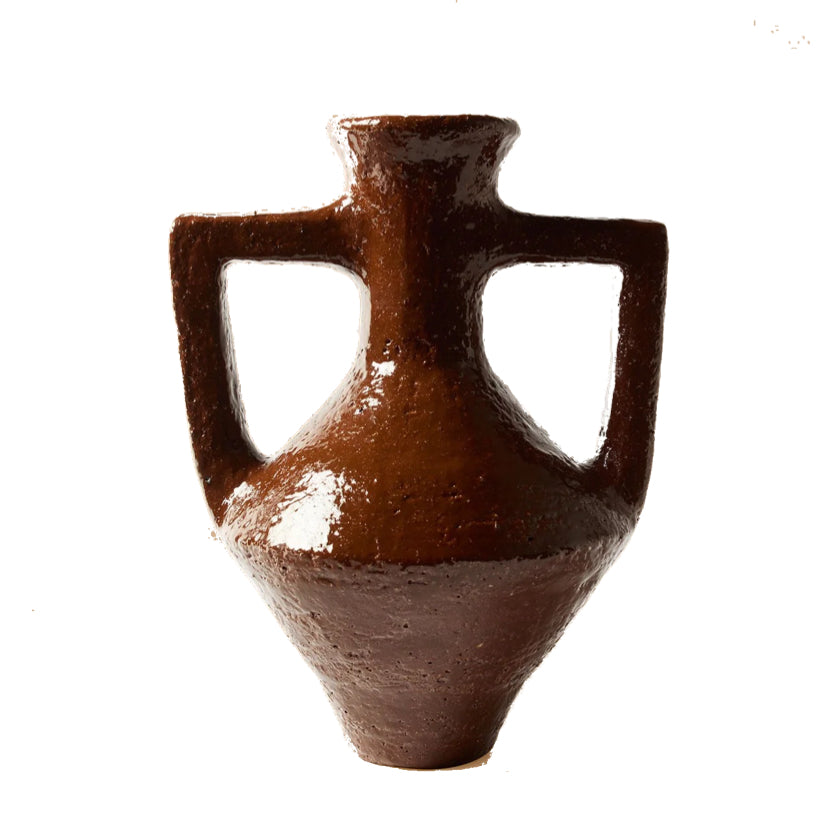
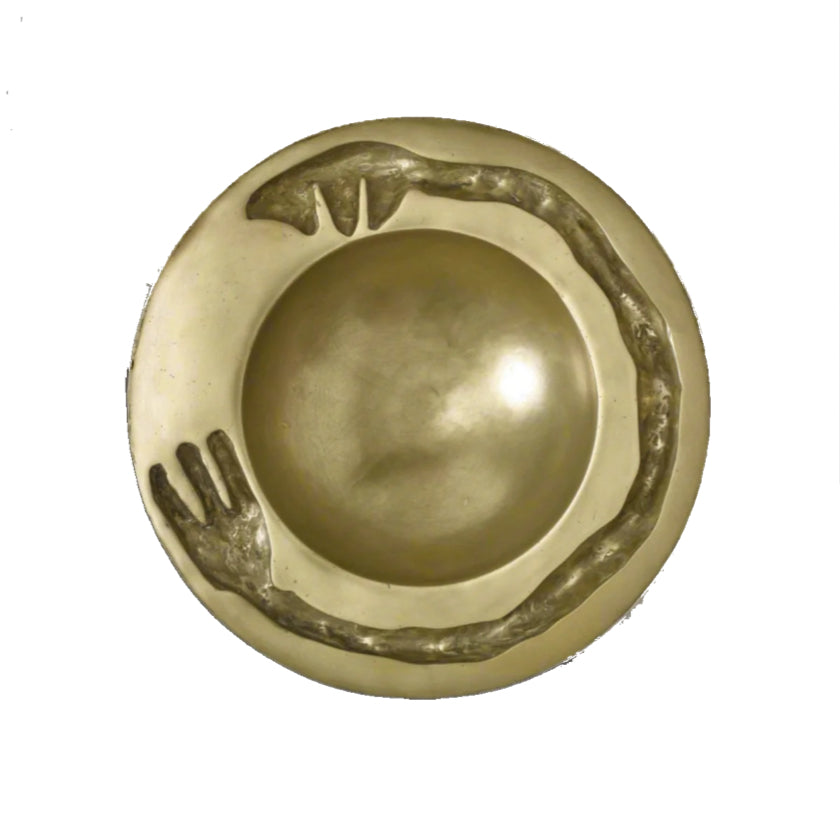
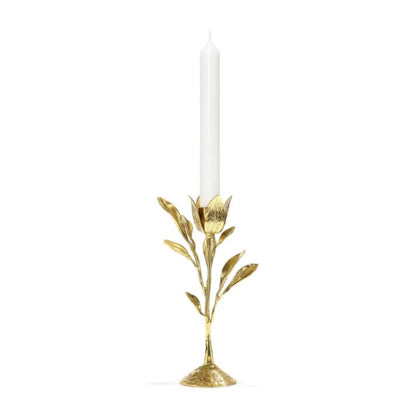
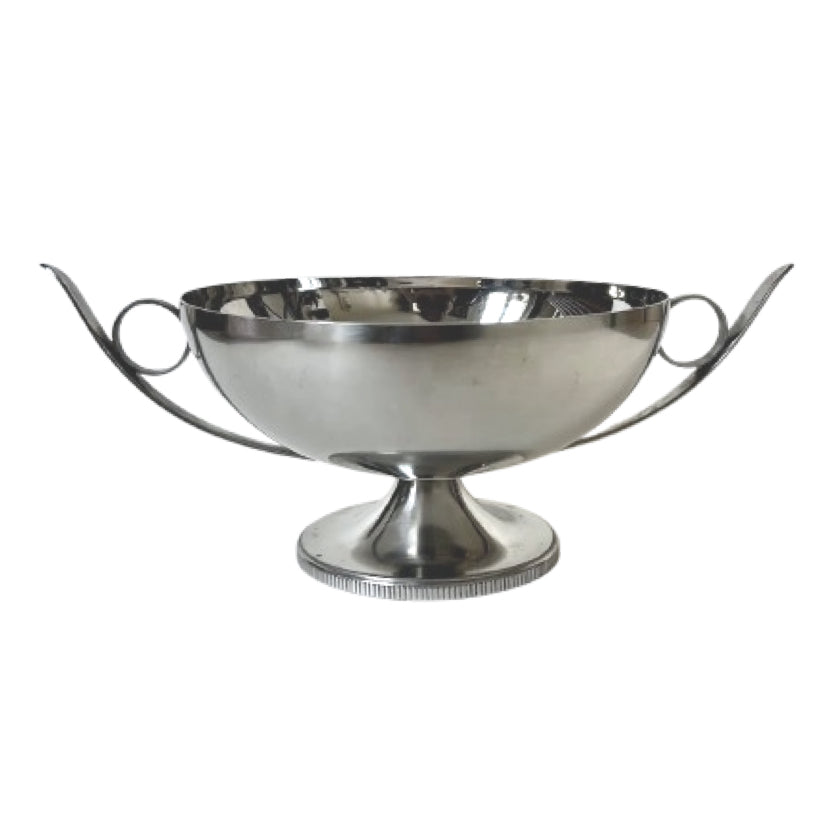
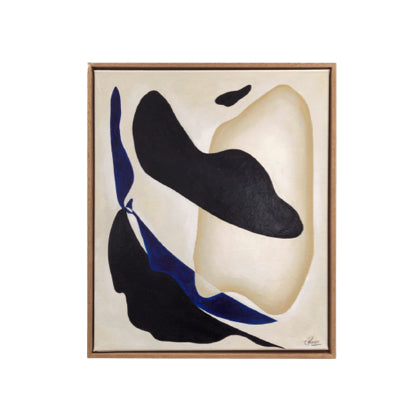
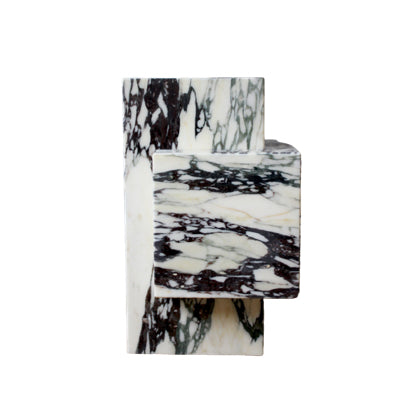
Featuring the bold geometry and refined decadence of the 1920s and 1930s, this collection offers an exquisite selection of Art Deco design pieces. Renowned for its lavish ornamentation and sleek lines, the Art Deco movement revolutionized the aesthetic landscape of the era, infusing everyday objects with a symphony of luxury and style. The pieces within this collection, be it furniture or lighting fixtures, incorporate high-quality materials such as polished chrome, stainless steel and exotic woods, meticulously fashioned with precision and elegance. This showcase of 'design movements art deco' echoes the splendor of an era where design was not just a visual treat, but a reflection of societal optimism and progress.
Design movements art deco
Show Filter
Understanding the Elegance of Design Movements Art Deco
These designs invite admiration and evoke a sense of nostalgia, making them perfect for both contemporary spaces and vintage furniture inspired settings.
The allure of Art Deco lies not only in its aesthetic appeal but also in its ability to bridge the gap between traditional craftsmanship and modern technology. This style is reflected in architecture, interior design, and decorative arts, where functionality meets artistry. Each item in our collection has been carefully curated to reflect these principles, ensuring that every piece tells a story of elegance and innovation.
By incorporating elements from the Art Deco period, our collection honors the creativity and spirit of the time. These designs invite admiration and evoke a sense of nostalgia, making them perfect for both contemporary spaces and vintage-inspired settings. We believe that celebrating this design movement not only pays tribute to its historical significance but also inspires future generations to appreciate the artistry that defines our built environment.
The architecture of the Art Deco period is a vivid representation of the cultural shifts that occurred in the early 20th century. Characterized by bold geometric shapes, vibrant colors, and luxurious materials, this architectural style emerged as a response to the rapid industrialization and urbanization of society. Buildings from this era often feature intricate detailing and a sense of opulence, combining functionality with aesthetic appeal. Iconic structures, such as the Chrysler Building in New York City, showcase the exuberance and innovation that defined the Art Deco movement.
Beyond the facades, Art Deco architecture also influenced interior design and public spaces. The incorporation of motifs inspired by nature and the use of new materials like aluminum and stainless steel reflected a modern sensibility. This era celebrated not just the visual aspects of architecture but also the experience of spaces created for social interaction. As cities evolved, so did the architectural landscape, and Art Deco stood at the forefront, leaving a lasting legacy that continues to inspire contemporary designers.
Art Deco's allure lies in its distinctive aesthetic that seamlessly blends elegance with modernity. When integrating this style into your interior design, focus on geometric shapes, bold colors, and luxurious materials. Consider incorporating mirrored surfaces, chrome accents, and rich fabrics such as velvet or leather to evoke the glamour of the era. Lighting plays a crucial role; select fixtures that embody the bold lines and intricate details typical of Art Deco. Strategically placed lighting can highlight architectural features and enhance the overall ambiance of your space.
A well-curated collection of art and decorative objects can also elevate your interior design. Look for pieces that reflect the opulence of the 1920s and 1930s; think sculptures, paintings, and vintage furniture. Layering textures is essential; combine smooth surfaces with plush textiles to create depth and interest. Don't shy away from incorporating metallic finishes, as they can add a touch of sophistication to your decor. Finally, remember that balance is key; while it's tempting to go all out with bold patterns, a harmonious blend of statement pieces and understated elements will create a cohesive look.
Frequently Asked Questions
When selecting pieces from the design movements art deco, consider the use of geometric shapes, bold colors, and luxurious materials like chrome, glass, and exotic woods. Pay attention to intricate detailing and craftsmanship, as these reflect the era's emphasis on elegance and sophistication. Look for items that embody the fusion of functionality and decorative aesthetics characteristic of the Art Deco style.
To care for your Art Deco pieces, avoid direct sunlight to prevent fading and heat damage. Use a soft, dry cloth for dusting and avoid abrasive cleaners that could scratch surfaces. For framed works, ensure they are hung in a stable environment to minimize fluctuations in temperature and humidity, which can affect materials over time. Regularly inspect for any signs of wear or damage.
Key characteristics of design movements art deco include bold geometric forms, lavish ornamentation, and a combination of modern materials such as stainless steel and plastic with traditional materials like marble. This style often features vibrant colors and symmetrical designs, reflecting the optimism and progress of the early 20th century. Art Deco is also known for its influence on architecture and interior design, emphasizing both functionality and elegance.