


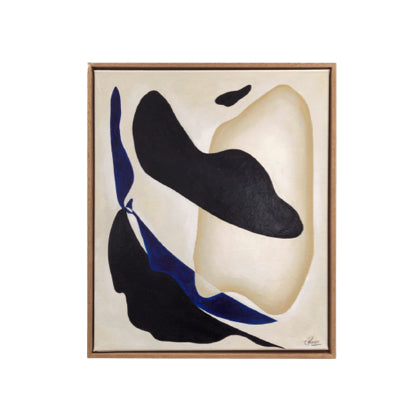
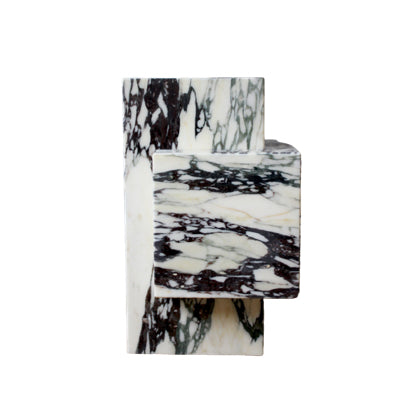
The Oblist collection features contemporary abstract art that includes a variety of unique pieces. Each work provides a different perspective, allowing for diverse interpretations. This collection contains abstract art paintings that utilize color effectively, abstract sculptures that challenge traditional forms, and minimalist art that focuses on simplicity. Every piece reflects the artist's vision and the cultural influences that shape contemporary abstract art. Adding these artworks to your space enhances visual interest and offers insights into the artistic processes behind each creation.
Contemporary abstract art
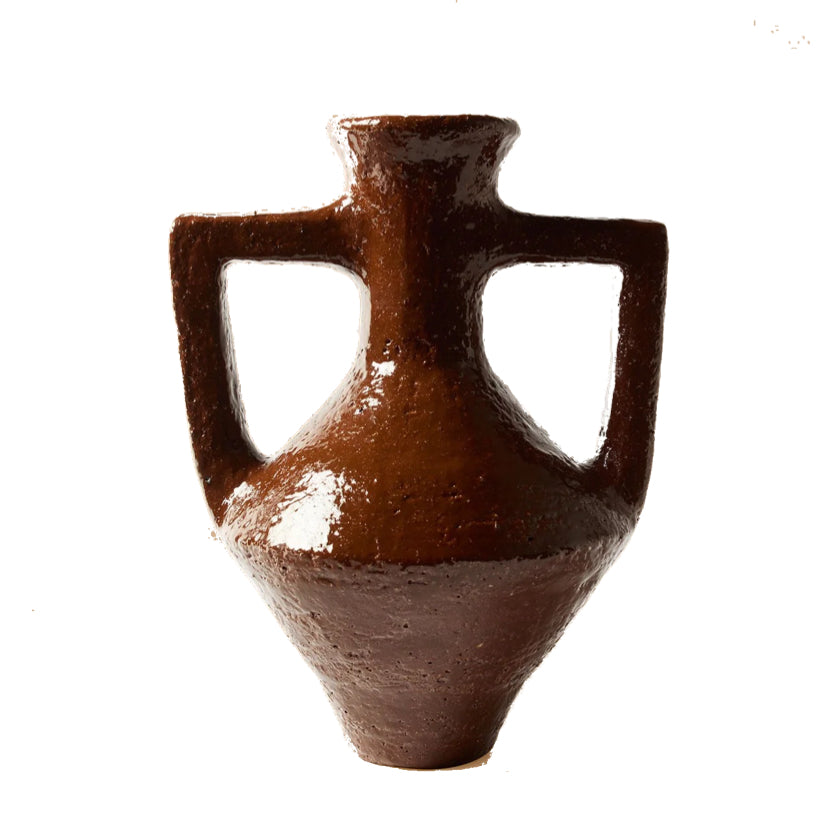
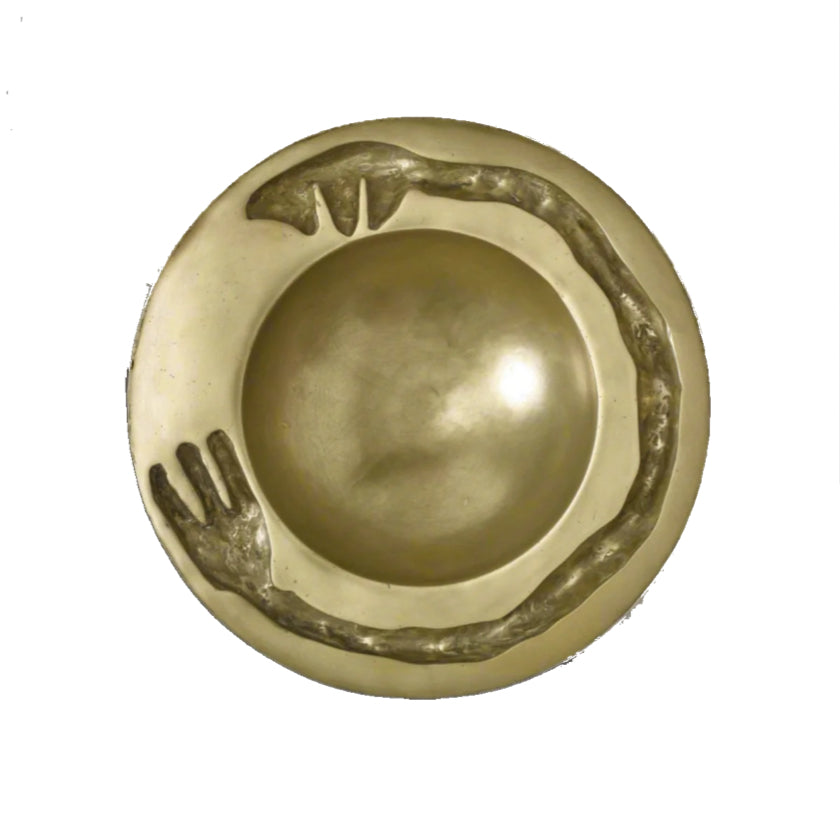
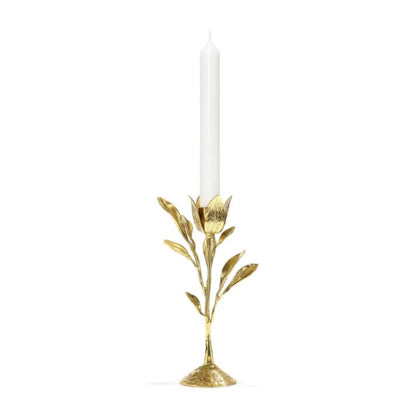
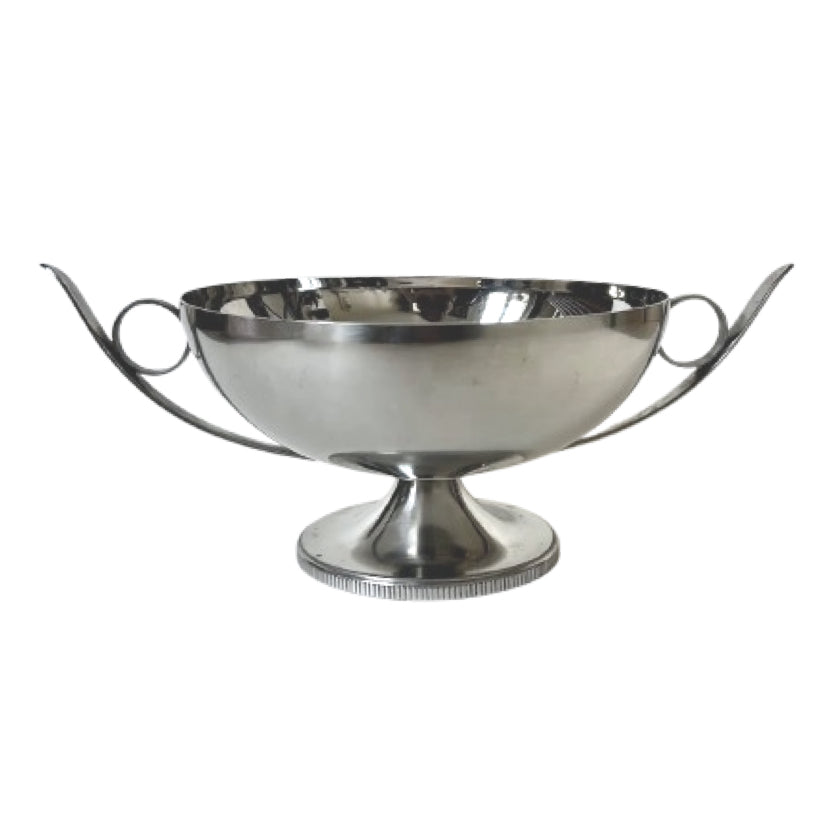
Show Filter
Understanding the philosophy behind contemporary abstract art
Our aim is to create an environment that resonates with visitors, much like the essence of modern home decor.
Our collection is based on the intentions of the artists and the emotional depth of their works. Abstract paintings express movement, color, and form without traditional imagery. Each artwork allows viewers to connect with the artist's vision. This selection process ensures that our collection resonates with those who experience it.
The inclusion of abstract sculpture in our collection enhances the appreciation of contemporary abstract art. Sculptural pieces invite tactile interaction, prompting viewers to explore the relationship between space and form. Each element in our collection has been chosen to contribute to the narrative we aim to share.
Abstract painting began in the early 20th century as artists sought new ways to convey modern life's complexities. This movement shifted from traditional representation, allowing exploration of color, form, and texture beyond reality. Influential figures like Wassily Kandinsky and Piet Mondrian played key roles, using abstraction to express emotions and ideas that often elude words. Their innovative methods paved the way for future artists.
In contemporary settings, abstract painting continues to challenge viewers, often reflecting cultural and social themes. This genre invites personal interpretation, allowing audiences to connect with the art. Its ability to move beyond literal meaning allows for a wide range of emotional responses. Moreover, the combination of abstract painting and sculpture creates installations that blend two-dimensional and three-dimensional art forms.
Incorporating sculpture into your living space can enhance aesthetics. When placing abstract forms, consider how they fit within your environment. A large sculpture can serve as a focal point, drawing attention and creating movement in the room. Smaller pieces can be arranged on shelves or tabletops to introduce depth. Positioning them near natural light sources can increase their impact.
When styling with sculptures, a thoughtful approach is essential. Complement the materials and colors of your sculpture with surrounding decor. For instance, a metal piece may pair well with minimalist furniture, while a wooden sculpture can add warmth to a cozy setting. Mixing styles can also be effective; a bold abstract sculpture can bring excitement to a traditionally styled room. Regular maintenance is important; dusting and using appropriate cleaning methods based on the material will help preserve their beauty over time.
Frequently Asked Questions
Contemporary abstract art is characterized by its departure from traditional representation, focusing on color, form, and texture. It often utilizes diverse materials, including acrylics, mixed media, and digital elements. This movement embraces spontaneity and personal expression, reflecting societal and cultural themes, and challenges viewers to engage with the emotional resonance of the piece rather than its literal subject.
To effectively decorate with contemporary abstract art, consider the scale and color palette of the pieces in relation to your space. Large artworks can serve as focal points, while smaller pieces can create a gallery wall. Integrating minimalist decor can enhance the artwork's impact, allowing its colors and forms to stand out. Balance is key; aim for harmony between the art and surrounding furnishings.
Contemporary abstract art can be found in various venues, including galleries, art fairs, and exhibitions dedicated to modern artistic expression. Online platforms that specialize in contemporary art also curate a diverse range of works from emerging and established artists. Engaging with local art communities can also lead to discovering unique pieces directly from artists, enriching your collection with personal narratives.