


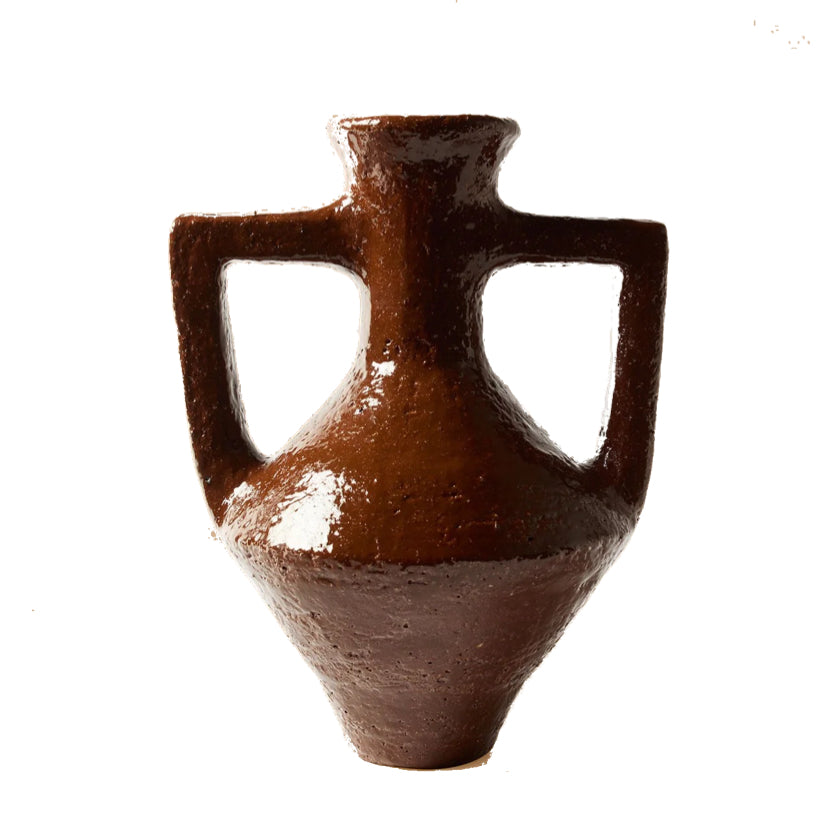
The Clay Sculpture collection at The Oblist focuses on the craft of shaping and molding clay. This collection includes a variety of sculptures, from abstract forms to lifelike figurines, each adding earthy beauty to any space. Each item carries the distinct mark of the artist's hands, showcasing the individuality of every piece. You will find various styles and forms, including both vintage and contemporary designs that demonstrate the versatility of clay as a medium.
Clay sculpture
Show Filter
Understanding the philosophy behind clay sculpture
This collection connects art and viewer through various forms of sculpture.
We focus on works that demonstrate technical skill and resonate with viewers. The sculptures range from abstract to realistic figures, each crafted with care. By selecting pieces that represent different techniques and styles, we present a snapshot of artistic expression within the realm of clay.
Clay sculpture uses textures and colors to create personal experiences for those who encounter it. The subtle variations can evoke different feelings, making each piece unique.
Modeling clay has a long history as a medium for artistic expression and functional items across cultures. Ancient civilizations like the Mesopotamians and Egyptians used clay for pottery and figurines. The adaptability of modeling clay has allowed it to evolve over time, meeting the needs and tastes of artists. The introduction of polymer clay in the late 20th century provided a pliable and durable alternative to traditional clay, enabling intricate designs and vibrant colors.
Modeling clay plays a role in various artistic practices worldwide. In many indigenous cultures, it has been used to create ceremonial objects and express spiritual beliefs. Today, artists use modeling clay to explore contemporary themes, linking historical significance with modern creativity. Workshops focused on polymer clay techniques have gained popularity, allowing new generations to engage with this medium while developing their unique styles.
Creating with polymer clay can be rewarding. When working with this versatile material, consider the colors and textures that suit your vision. Using tools like texture sheets or stamps can add depth to your creations. Layering different colors or incorporating metallic pigments can enhance the visual appeal. Keep your workspace clean to avoid dust and debris that could affect the final outcome.
Once your polymer clay creation is finished, care is important for its longevity. While polymer clay is durable, it can be scratched or dented if not handled carefully. To maintain the finish, consider using a sealant designed for polymer clay. Store your finished pieces in a cool, dry place, away from direct sunlight to prevent fading. For cleaning, a soft cloth dampened with water is usually sufficient. Following these steps will help ensure your polymer clay artworks remain vibrant.
Frequently Asked Questions
Clay sculptures can be categorized into several types, including earthenware, stoneware, porcelain, and polymer clay. Each type has unique properties; for example, earthenware is known for its vibrant colors but is less durable, while porcelain is finer and more delicate. Our collection often features diverse techniques and styles, showcasing the versatility and historical significance of clay in artistic expression.
Caring for clay sculptures involves keeping them clean and protected. Regular dusting with a soft cloth is essential, and avoid using harsh chemicals. For outdoor pieces, place them in a sheltered area to prevent weather damage. Glazed sculptures can be wiped with a damp cloth, while unglazed pieces require careful handling to prevent moisture absorption and potential cracking.
Some clay sculptures can be displayed outdoors, but it's important to consider the material. Glazed stoneware or porcelain withstand outdoor conditions better than unglazed pieces. However, prolonged exposure to moisture and extreme temperatures may still pose risks, such as cracking. We recommend placing outdoor clay sculptures in shaded areas to minimize weather-related wear and ensure their longevity.