


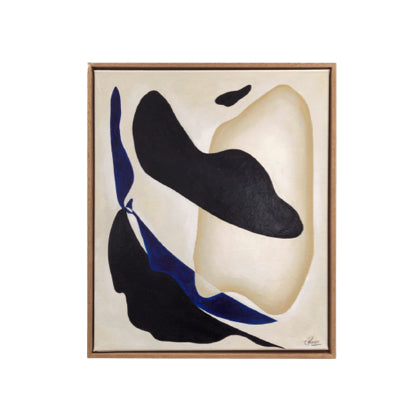
Charcoal painting merges simplicity with sophistication. This collection includes pieces that highlight the medium's versatility. Artists use charcoal to express emotion with basic tools. Charcoal painting presents a range of tones, from soft grays to deep blacks, where each stroke defines form and shadow. Whether illustrating the delicate lines of a landscape or the intensity of a portrait, each piece shows how charcoal captures its subject. Our collection features diverse charcoal paintings that invite personal reflection.
Charcoal painting
Show Filter
The art of charcoal painting: philosophy behind our collection
This connection enriches our collection, reflecting the artist's intent, similar to our wall painting design collection that fits any space.
Charcoal is valued for its ability to capture emotion and movement. Many artists enjoy how charcoal's texture supports spontaneous creativity, making it a favored medium for both seasoned and emerging artists. Each piece in our collection tells its own story, allowing a personal connection with the artwork. This connection helps in understanding the artist's vision.
The history of charcoal painting provides context. From early cave drawings to contemporary works, this medium has maintained its essence while adapting over time. By including pieces from various styles and periods, we offer insight into the development of artistic techniques. This historical context aids in understanding each artwork.
The charcoal pencil is an essential tool for artists, with a history that spans centuries. It originated from burning wood and has become crucial for sketching and drawing. The charcoal pencil allows for a wide range of effects, from soft, delicate lines to bold, expressive strokes. Artists appreciate its ability to blend and layer, enhancing their work. This tool is important for both beginners and experienced professionals.
In the art community, the charcoal pencil is recognized for its capacity to convey emotion and movement. Compressed charcoal, a variant of traditional sticks, provides a darker mark, making it a popular choice for artists seeking intensity in their drawings. Its historical significance is evident in the works of great masters who used charcoal to draft their masterpieces. This medium connects artistic traditions across cultures and time.
Compressed charcoal is a versatile medium known for its deep blacks and smooth application. Choosing the right type of paper is crucial; a heavier, textured surface enhances depth and allows for various marks. Combining a charcoal pencil with compressed charcoal can create fine details, blending the boldness of compressed charcoal with the precision of a pencil. This combination offers contrast in artwork, appealing to both beginners and experienced artists.
Caring for your compressed charcoal creations is essential. Once finished, it’s best to fix your artwork with a spray fixative designed for charcoal to prevent smudging and ensure longevity. When storing your pieces, consider placing them in a portfolio or between sheets of acid-free paper to protect them from dust and damage. Maintaining the integrity of the artwork is important, as the unique properties of compressed charcoal can be sensitive to environmental factors. By taking these precautions, your pieces will remain impactful for years.
Frequently Asked Questions
Charcoal painting involves using various forms of charcoal, including vine, compressed, and charcoal pencils, to create artwork. Techniques include blending for soft gradients, hatching for texture, and erasing to create highlights. Artists appreciate charcoal for its versatility, allowing for both detailed and expressive styles. Its rich, deep blacks and ability to convey dramatic contrasts make it a favored medium in fine art.
Caring for charcoal paintings involves handling them with care to prevent smudging. We recommend using a fixative spray to protect the artwork from dust and damage. Additionally, store or display charcoal pieces in a cool, dry place, ideally behind glass to shield them from moisture and direct sunlight. Regularly dust frames with a soft, dry cloth to maintain their appearance.
Yes, framing charcoal paintings is highly recommended to protect the artwork. Using a mat can help prevent contact with the glass, which may smudge the charcoal. Opt for frames that complement the artwork’s aesthetic, and consider using UV-protective glass to shield the piece from harmful light. Proper framing not only enhances the presentation but also preserves the integrity of the charcoal.