


Our Art Nouveau Box collection highlights the craftsmanship of the early 20th century with a variety of distinct pieces. Each box showcases the stylistic elements of Art Nouveau, featuring organic forms and intricate details. You will find wooden boxes with careful carvings and metal boxes with delicate designs. These boxes serve practical storage needs while also functioning as decorative items, displaying the graceful lines and nature-inspired motifs typical of the Art Nouveau era. Whether you are a collector or appreciate fine design, these Art Nouveau boxes bring a historical touch to your home.
Art nouveau box
Show Filter
The beauty of the Art Nouveau Box collection
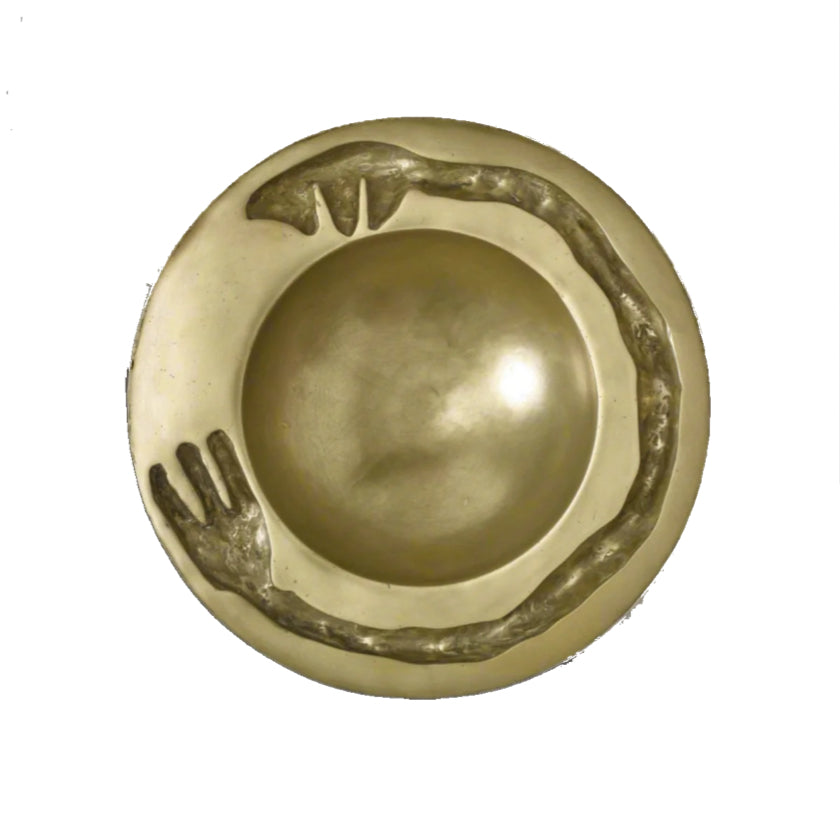
As you explore our collection, you will also discover decorative dishes that complement the charm of these boxes.
This collection respects the historical context and aesthetic qualities of each item. The selection process considers both visual appeal and the background of each box. Every piece, whether it has delicate inlays or striking colors, represents a part of history. This approach ensures that each art nouveau box is more than just an object; it connects to the present.
These boxes serve practical roles, often used to store jewelry and other treasured items. Their charm enhances any room, making them suitable for both decorative and functional purposes. The designs reflect craftsmanship, creating a connection to the art form. As you browse our collection, you will find that each box combines beauty and utility, making them valuable additions for any enthusiast.
Art Nouveau jewelry blends craftsmanship with nature-inspired aesthetics. This style, flourishing from the late 19th century to the early 20th century, is known for flowing lines, organic shapes, and intricate details. Jewelers of this period often took inspiration from the natural world, incorporating motifs like flowers and leaves into their designs. The result is a collection of pieces that adorn the wearer while reflecting the beauty of nature.
Jewelry from this era holds cultural significance. It reflects changing societal values and a growing appreciation for artistic expression. Artists like René Lalique and Gustav Klimt aimed to elevate jewelry to fine art, merging utility with aesthetic beauty. This movement highlighted the worth of handcrafted items and influenced future jewelry design.
Incorporating decorative elements into your living space can enhance its character. These items serve functional purposes while reflecting your personal style. Vintage pieces, like ornate jewelry boxes, can act as striking centerpieces. Their charm lies in their ability to harmonize with various styles, from modern minimalism to classic elegance.
When styling with decorative objects, consider their placement. Grouping items of different heights and textures can create visual interest. For example, an intricately designed decorative box can complement a sleek vase or a framed photograph. This combination of shapes and styles adds depth to your decor. Maintaining a cohesive color palette will help unify your decorative pieces.
Caring for your decorative items is essential for their longevity. Regular dusting and gentle cleaning are important, especially for vintage pieces with delicate finishes. Avoid exposing decorative items to direct sunlight to prevent fading. Proper storage is also key; consider using protective boxes for seasonal items to keep them safe when not in use. By paying attention to these details, your decorative objects can remain beautiful for years.
Frequently Asked Questions
An Art Nouveau box is a decorative item characterized by its organic forms, flowing lines, and intricate embellishments. Emerging in the late 19th century, this design movement emphasized nature-inspired motifs, such as flowers and curvilinear shapes. These boxes often served practical purposes, such as storing jewelry, and were crafted with artistry, reflecting the era's values of craftsmanship and aesthetic beauty.
To identify an Art Nouveau box, look for distinctive design features such as sinuous lines, floral motifs, and asymmetrical shapes. Often made from materials like wood, metal, or glass, these boxes may also display intricate inlays or carvings. Check for hallmarks or signatures from known artisans, which can provide clues to the box's authenticity and origin within the Art Nouveau movement.
Art Nouveau boxes are commonly crafted from a variety of materials, including wood, brass, glass, and ceramics. Wood may be intricately carved or inlaid with decorative elements, while metal boxes often feature embossed designs. Glass pieces can exhibit beautiful iridescence and are sometimes stained or etched. These materials reflect the movement’s embrace of natural beauty and craftsmanship, enhancing the box's visual and tactile appeal.