


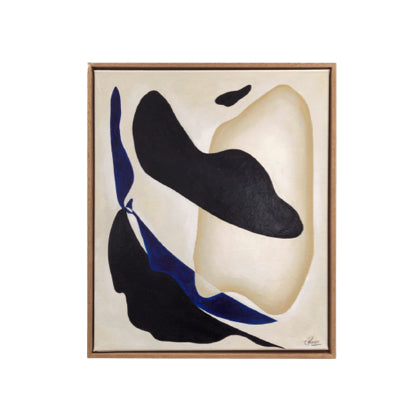
The Abstract Art Japan collection features a range of pieces that incorporate form, color, and space. Each artwork draws from a rich heritage, blending traditional elements with abstract styles. You'll find various mediums, including woodblock prints and acrylics on canvas, each providing a distinct viewpoint. This collection reflects the integration of cultural tradition with abstraction, capturing the essence of Japanese artistry.
Abstract art japan
Show Filter
Appreciating the depth of Abstract Art Japan
This collection also includes elements of wall painting design, showing how different artistic expressions can complement each other.
Each piece here presents the diverse perspectives of contemporary Japanese artists. Many works challenge traditional boundaries, expanding what painting can express. The colors and forms create an emotional connection. This selection highlights the background of each artwork, allowing for a deeper understanding of the artist's vision.
Our selection respects the voices of the artists and their cultural heritage. By incorporating various techniques and materials, from traditional brushwork to modern methods, we present a view of Japanese art. This approach acknowledges the past while looking toward abstraction.
Japanese art has a rich history that reflects the cultural evolution of the country. From early Chinese influences to the unique expressions found in ukiyo-e, each period reveals the nation’s aesthetic sensibilities. The Heian period introduced a refined style, while the Edo period popularized woodblock printing, making art accessible to the public. This accessibility shaped cultural trends, influencing fashion, literature, and theater.
As we look at Japanese art, we see a connection between tradition and innovation. Contemporary artists draw inspiration from their historical roots while using modern techniques and materials. This blend creates a space where the past meets the present, revealing aspects of Japanese identity. The cultural significance of this art form reflects societal values and historical events, allowing viewers to connect with Japan's heritage.
Ukiyo-e, the traditional Japanese woodblock printing technique, adds a distinct touch to contemporary interiors. Incorporating ukiyo-e prints into your home can create a unique atmosphere. Consider using these prints as focal points; a large-scale ukiyo-e piece can stand out in a living room. Pairing these artworks with minimalist furniture can enhance their appeal.
To maintain your ukiyo-e artworks, proper care and display are important. Avoid direct sunlight, as it can fade colors over time. Use UV-protective glass when framing to preserve vibrancy. Regular dusting with a soft, dry cloth keeps the prints looking fresh. Additionally, monitor humidity levels in your space; a stable climate is crucial for preventing damage. By following these steps, you can enjoy your ukiyo-e artworks for years.
Frequently Asked Questions
Japanese abstract art departs from traditional forms, focusing on color, texture, and form. Emerging in the post-war period, it was influenced by Western modernism while maintaining ties to Japanese aesthetics. Elements like simplicity and asymmetry reflect Zen principles, creating balance in the compositions.
Japanese culture, with its history of minimalism and nature-inspired motifs, significantly influences abstract art in Japan. The concept of 'ma' (negative space) and practices like sumi-e (ink wash painting) inspire artists to explore abstraction as a way to express emotion and thought, often highlighting light and shadow rather than direct representation.
Notable Japanese abstract artists include Kazuo Shiraga, known for his action painting techniques, and Yoshishige Saito, who blends traditional materials with modern forms. Another influential figure is Atsuko Tanaka, recognized for her innovative use of textiles and installation art. These artists exemplify the unique fusion of Eastern and Western influences in Japanese abstract art.