


The 1920s Art Deco Furniture collection combines geometry and luxury, reflecting a creative peak in design. These pieces include bold shapes and rich materials. Woods such as ebony, mahogany, and rosewood pair with exotic inlays and polished finishes, highlighting the craftsmanship of the era. Metallic details and intricate patterns are key features. This collection of 1920s Art Deco Furniture captures the vibrancy and glamour of the period.
1920s art deco furniture
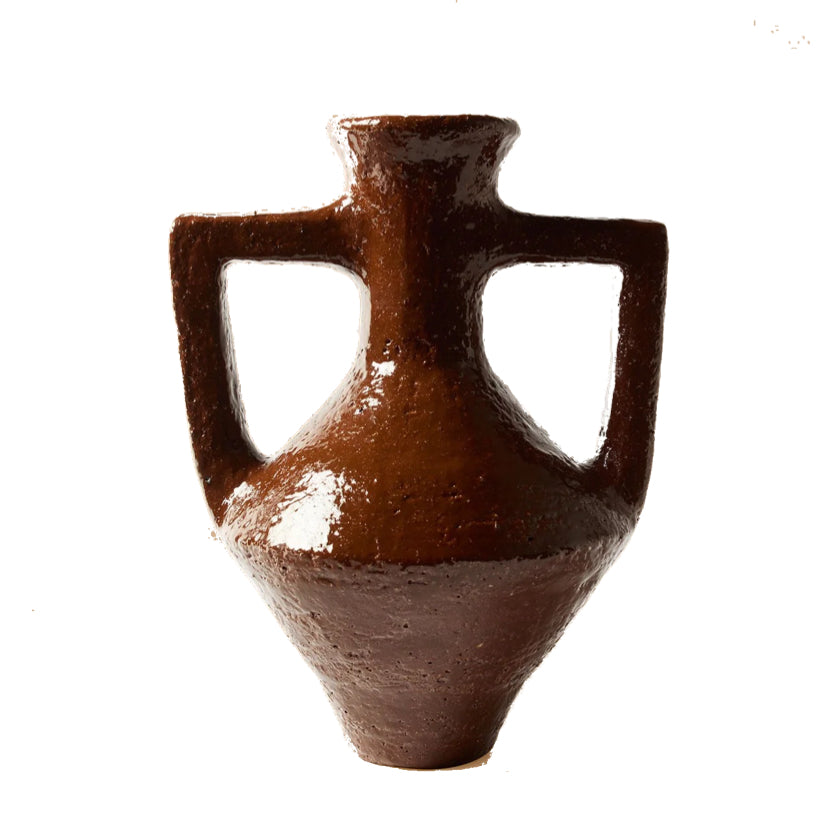
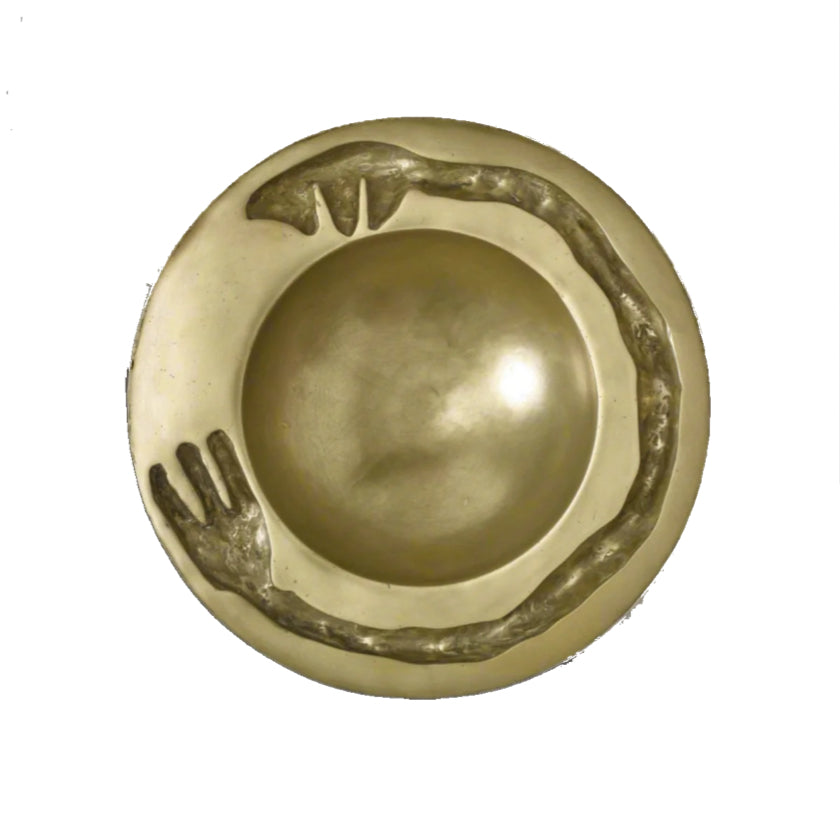
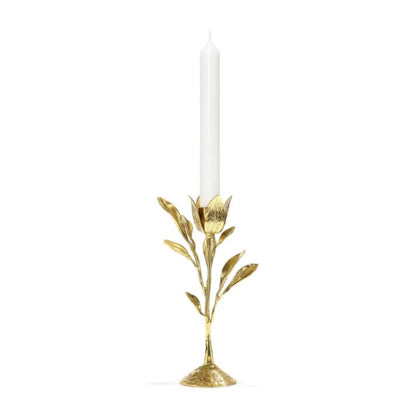
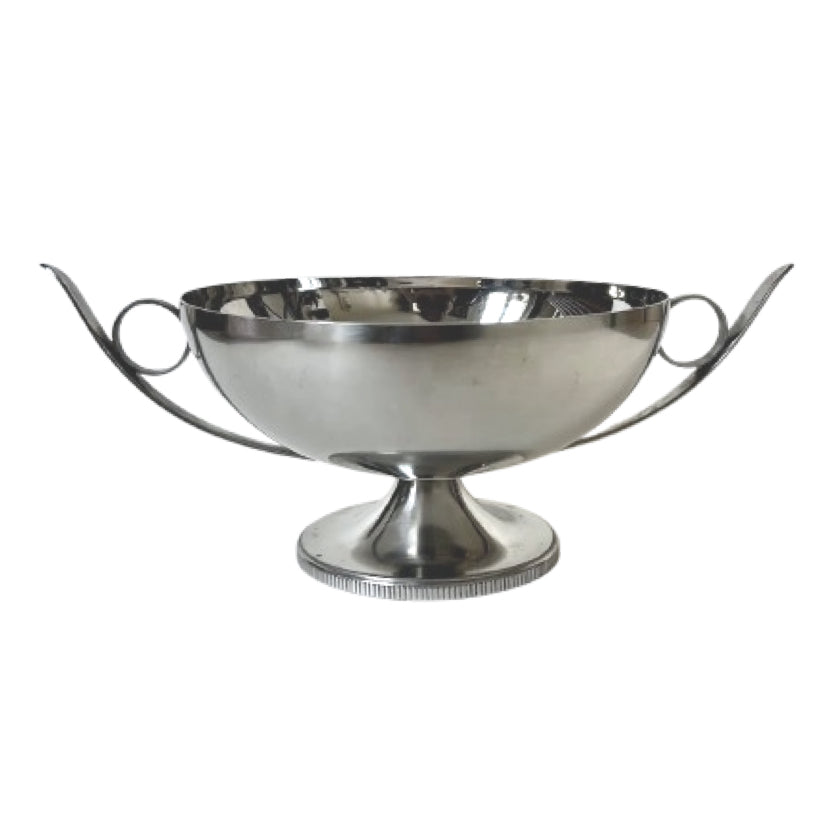
Show Filter
The allure of 1920s Art Deco furniture
Our collection, including vintage furniture, showcases the craftsmanship of the 1920s and the relevance of art deco in modern interiors.
This collection focuses on pieces that embody art deco. The detailing, from sharp lines to luxurious finishes, reflects the artistry of the era. Each item is chosen for its appeal and historical context. These pieces connect to a past era, showcasing the artistry behind their creation.
Art deco furniture connects the past with the present, offering a unique perspective on design. The rich colors and elaborate motifs reflect a time of creative exploration. We present pieces that honor this heritage, highlighting the craftsmanship of the 1920s.
Art Deco is a design style that emerged in the early 20th century, known for bold geometric shapes, rich colors, and luxurious materials. This movement marked a shift away from traditional styles. Symmetry and streamlined forms became defining characteristics of Art Deco. The use of new materials like chrome, glass, and plastics allowed designers to expand the boundaries of creativity.
Art Deco design became a symbol of modernity as cities expanded and industrialization progressed. Iconic structures, from skyscrapers to theaters, embraced Art Deco elements, leaving a lasting mark on urban architecture. The movement drew inspiration from various cultures, incorporating motifs from Africa, Egypt, and the Far East, enriching the design vocabulary of the time.
Patterns are central to the aesthetic of the 1920s, particularly in furniture design. The geometric shapes and symmetrical lines create a visual appeal. Incorporating these patterns into your space adds character. For example, bold chevrons on upholstery or intricate zigzags in wallpaper can evoke nostalgia while complementing the sleek silhouettes typical of this period.
When styling your home, consider how patterns interact. Mixing different designs can create a dynamic visual experience. For instance, pairing a striped chair with a floral print cushion introduces contrast. Maintaining balance is key, so limit the color palette to create unity among various patterns. Incorporating metallic accents enhances elegance, as reflective finishes bring life to the patterns in your furniture.
Frequently Asked Questions
The 1920s Art Deco furniture style is characterized by bold geometric shapes, rich colors, and luxurious materials. Influenced by modernism and technology, it often includes streamlined forms, exotic woods, and metals like chrome. Decorative motifs, such as chevrons and zigzags, are common, reflecting the era's fascination with movement and progress. This style embodies the glamour and sophistication of the Roaring Twenties.
To identify authentic Art Deco furniture, look for distinctive features such as angular lines, contrasting materials, and decorative inlays. Authentic pieces often showcase high-quality craftsmanship and attention to detail. Check for original labels or maker's marks, as well as the use of materials like walnut, mahogany, or glass. Familiarizing yourself with the specific design elements and finishes typical of the 1920s Art Deco movement can aid in recognition.
Finding 1920s Art Deco furniture pieces typically involves exploring antique shops, estate sales, and specialized auctions. Online platforms dedicated to vintage and antique furnishings can also provide a wide range of selections. We recommend visiting exhibitions or museums that showcase Art Deco design, as they may also offer insights into reputable dealers and collectors within the community.