


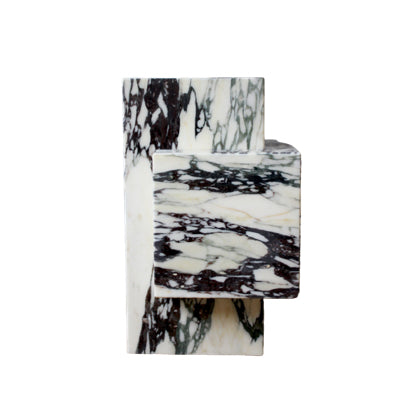
The 'Stone Sculpture' collection at The Oblist features a range of works that showcase the distinct qualities of this traditional medium. Each piece highlights the artist's vision and the specific characteristics of the stone, whether it is marble, granite, or sandstone. These sculptures are crafted with precision, emphasizing the tactile nature of the raw material. From abstract designs to traditional figures, this collection presents the appeal of stone sculpture.
Stone sculpture
Show Filter
Understanding the philosophy behind stone sculpture
Our collection of stone sculptures originates from a deep respect for artistry and nature. Each piece shows the sculptor's skill in transforming raw materials like marble and granite into forms that resonate with viewers. This collection highlights the connection between the artist and the stone, where every chisel mark adds to the overall narrative. Stone sculpture is known for its durability and ability to convey historical and emotional contexts through the art of sculpture carving.
Each rock statue in our collection represents a distinct cultural expression, showcasing various techniques and styles from different eras. By examining these works, we gain insights into the values and beliefs of the societies that created them. From ancient civilizations to modern artists, the development of stone sculpture illustrates humanity's quest for beauty and understanding.
Our selection highlights the diversity of stone carving and its role in art history. Each piece invites viewers to recognize the skill involved and the natural beauty of the materials. This collection honors both the artists who create these works and the cultures that inspire them.
The rock statue has a long history that spans thousands of years, showcasing the talents of ancient artisans. From the monumental figures of Easter Island to the detailed marble carvings of ancient Rome, these sculptures illustrate the importance of stone as a medium. Each rock statue tells a story, often revealing the beliefs and aspirations of the society from which it originated. The durability of stone allows these creations to endure as symbols of artistry and cultural heritage.
The design characteristics of rock statues vary across regions and eras. In many Asian cultures, rock statues often depict deities or historical figures, showcasing intricate details. In contrast, African rock statues frequently highlight abstract forms and strong expressions, reflecting the dynamic cultures from which they originate. The artistry involved in creating a rock statue includes technical skill and cultural narratives, making them important artifacts of human expression.
Marble carving is known for its elegance. When incorporating a marble carving into your home or garden, careful placement is essential. A well-positioned rock statue can serve as a focal point. Consider placing it near a window or in a garden where it can be appreciated. Natural light enhances the textures of the marble, revealing its unique character. Ensure that the surrounding decor complements the sculpture, allowing it to stand out.
Maintaining your marble carving is important for preserving its beauty. Regular dusting with a soft, dry cloth will help keep it clean. For deeper cleaning, use a pH-balanced stone cleaner designed for marble. Avoid harsh chemicals, as they can harm the material. Periodically sealing the marble can protect it from stains and wear. By caring for your marble carving, you'll ensure it remains a cherished piece for years.
Frequently Asked Questions
Stone sculptures can be crafted from various materials, each offering distinct characteristics. Common types include marble, known for its smooth finish and translucence; granite, celebrated for its durability; and limestone, appreciated for its softness and ease of carving. Sandstone and soapstone are also used, contributing unique textures and colors to the final design.
Caring for a stone sculpture involves regular maintenance to preserve its beauty. We recommend gently dusting the surface with a soft, dry cloth to remove debris. For a more thorough clean, a damp cloth with mild soap can be used, followed by drying. Avoid harsh chemicals, as they can damage the stone. Additionally, placing sculptures in sheltered areas can protect them from extreme weather.
While we do not focus on sales, high-quality stone sculptures can often be found at galleries, art fairs, and specialty shops dedicated to fine art. It's important to research the artist's background and the materials used, ensuring that the piece aligns with your aesthetic preferences and the intended environment. Additionally, exploring local artisans can provide insight into regional styles and techniques in stone sculpture.