


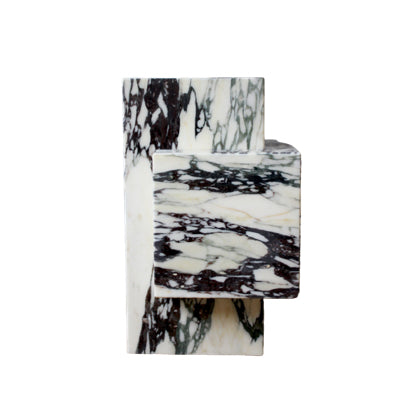
A testament to an era of boundless optimism and pioneering spirit, this collection highlights the Space Age Stool. Echoing an aesthetic that was revolutionary in its time, each stool reflects the audacious futurism of the late mid-century period. With distinctive features such as smooth contours, bold geometry, and innovative use of materials, these pieces incorporate the very essence of Space Age furniture design. The craftsmanship behind each stool, demonstrated in their sturdy construction and precision detailing, speaks of the ingenuity and creativity of designers at the peak of the Space Age. A Space Age Stool is not merely a functional object but a snapshot of a time when design dared to dream of the stars.
Space age stool
Show Filter
Understanding the Appeal of the Space Age Stool
Our aim is to create a collection that feels cohesive while still celebrating the diversity of design, including pieces from the mid century modern furniture era. Each stool, chair, and table is a testament to creativity, innovation, and the spirit of exploration.
The selection process involves a careful consideration of materials, shapes, and the emotions they evoke. We believe that every piece should resonate with the viewer, sparking curiosity and conversation. By focusing on the unique attributes of each item, we highlight how design can resonate with various aspects of life, including our interactions with space and environment. This thoughtful curation ensures that items such as the space age stool are not only functional but also serve as significant artifacts of their time.
Our aim is to create a collection that feels cohesive while still celebrating the diversity of design. Each stool, chair, and table is a testament to creativity, innovation, and the spirit of exploration. As we curate, we reflect on the balance between form and function, always seeking to bring forth pieces that will not only enhance a space but also endure the test of time. Every item tells a story waiting to be shared, and we are proud to present these tales through our carefully selected collection.
The interplay between design and health has been a fascinating subject throughout history. In the mid-20th century, as modernism flourished, so did a keen awareness of the human condition, including issues like intestinal infection. This period saw designers and architects considering not just aesthetics but also the health implications of their choices. Furniture design, including items like stools, began to reflect this understanding. Materials were chosen not just for their look but also for their cleanliness and ability to withstand the spread of bacteria. The awareness of how certain designs might contribute to or mitigate health issues, including bacterial infections, became an essential part of the dialogue among designers and consumers alike.
As we delve deeper into this topic, the cultural significance of design choices becomes apparent. The design of everyday objects was influenced by a growing understanding of hygiene and health. For example, stools that are easy to clean and made from materials resistant to bacterial infection became highly sought after. This shift in consumer preference reflects a broader trend towards health-conscious living. During this time, many designers began to incorporate ergonomic features that not only supported comfortable seating but also took into account the potential for intestinal infection through poor hygiene practices. These design philosophies have continued to evolve, reminding us that our surroundings can have a profound impact on our well-being.
Bacterial infections can pose a significant health risk, especially in environments where cleanliness is often overlooked. These infections, which can arise from various sources, may lead to serious conditions such as intestinal infections if not properly managed. It's essential to recognize high-risk areas in your home or workspace where bacteria can thrive, such as kitchens, bathrooms, and even communal areas. By prioritizing hygiene in these spaces, you can dramatically reduce the likelihood of encountering harmful bacteria.
Incorporating effective cleaning routines is crucial for preventing bacterial infections. Regularly disinfecting surfaces, particularly those that are frequently touched, can help keep bacterial levels to a minimum. Pay attention to items that may harbor bacteria, such as kitchen utensils or bathroom fixtures. Additionally, maintaining good ventilation can also reduce moisture, which is a breeding ground for bacteria. By taking these precautions, you can create a healthier environment for yourself and your loved ones, reducing the risk of bacterial infections and promoting overall well-being.
Frequently Asked Questions
When selecting a space age stool, consider its design lines, materials, and ergonomics. Look for iconic shapes that reflect the futuristic aesthetics of the era, often characterized by smooth curves and bold colors. Materials like molded plastics, aluminum, and fiberglass are common, contributing to both durability and a distinctive look. Ensure the stool's height and seating comfort align with your intended use.
Caring for your space age stool involves regular cleaning with a soft, damp cloth to prevent dust accumulation. For materials like plastic or fiberglass, avoid harsh chemicals that can damage the surface. If applicable, check for any loose screws or joints and tighten them to maintain stability. Proper care ensures longevity while preserving the stool's unique design and visual appeal.
Key characteristics of space age stools include their innovative use of materials, such as molded plastics and metals, along with striking, futuristic designs. They often feature organic shapes and bold colors, reflecting the optimism of the 1960s and 1970s space race. These stools not only serve a functional purpose but also embody a cultural moment, merging art and utility in a distinctive aesthetic.