


This collection showcases the craftsmanship of vintage and contemporary silver spoons. With a history spanning centuries, these pieces demonstrate the skill and aesthetic sensibilities of their times. From the clean lines of Art Deco silver spoons to modern designs, each spoon highlights the unique qualities of metal. Crafted with precision, they feature intricate details and high-quality materials, providing functionality alongside a glimpse into design history. This silver spoon collection offers pieces that connect with artistry and tradition, making them a valuable addition to any collector's ensemble.
Silver spoon
Show Filter
The story of the silver spoon
In our collection of vintage tableware, we focus on the craftsmanship behind each piece, honoring the skilled artisans who create these remarkable items.
Here, you will find a variety of styles, from traditional to contemporary. Silver spoons fit into many dining settings, whether for a formal event or a cozy family meal. Each piece is selected for its distinctive features and the craftsmanship behind it, ensuring you can find a silver spoon that matches your personal taste.
Art Deco influences are present in some of our offerings, featuring bold geometric shapes and intricate details. This blend of historical styles with modern aesthetics illustrates the appeal of silverware. Each piece serves a practical function and adds a decorative element to your dining experience, bringing elegance to your table setting.
Art Deco emerged in the early 20th century, marking a shift from the ornate styles of earlier periods. With geometric shapes, rich colors, and luxurious materials, this design movement introduced modernity. The use of metals, including silver, became a hallmark of Art Deco aesthetics, showcasing the era's fascination with industrial progress. Furniture, architecture, and decorative arts from this time often exude glamour, making them highly sought after by collectors and enthusiasts. Art Deco continues to inspire contemporary designers with its striking forms and elegant lines.
The cultural significance of Art Deco extends beyond its visual appeal. It represented a societal shift during the interwar period, embodying a sense of optimism and forward-thinking. This movement mirrored the changing landscape of technology and lifestyle. As urban environments grew, Art Deco became synonymous with modernity. From the iconic skyscrapers of New York to the luxurious interiors of jazz clubs, the style captured the spirit of an era that valued innovation and sophistication.
Metal craftsmanship has a long history, showcasing the skill and artistry of artisans who create functional and decorative pieces. The appeal of metal lies in its shine and capacity for intricate designs. From Art Deco styles with geometric patterns to contemporary forms emphasizing minimalism, metal serves as a versatile medium for expression. Each piece tells a story, reflecting the cultural and artistic movements of its time and offering insight into craftsmanship that goes beyond functionality.
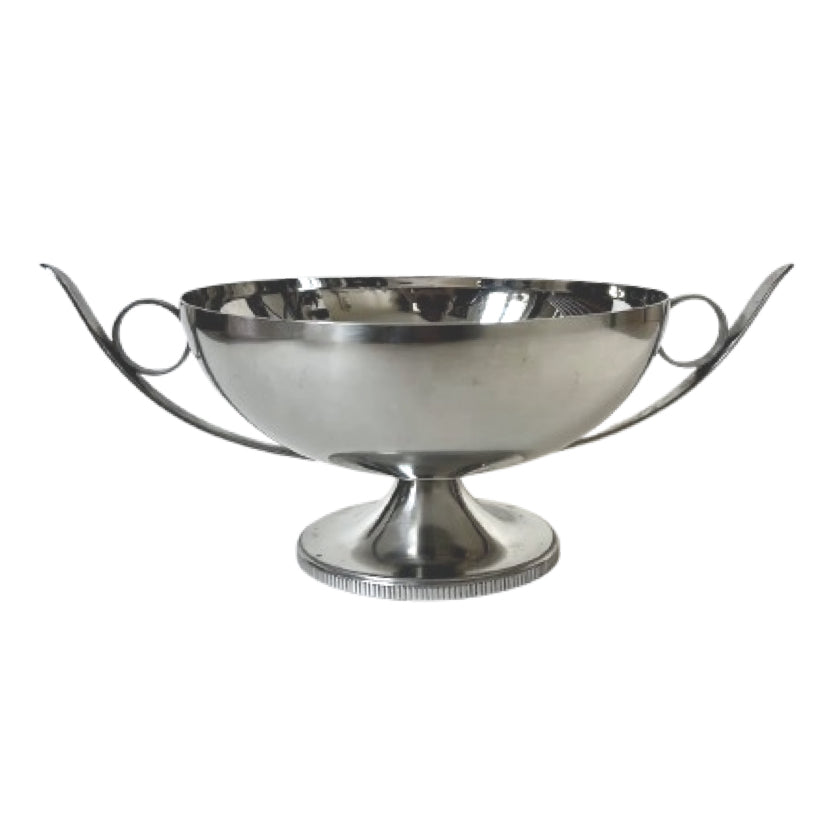
When incorporating metal objects into your decor, consider balance. Metal pieces create a dynamic contrast with softer materials like wood and fabric. Pairing a sleek metal vase with lush greenery or adding metal accents to your dining setting can elevate the overall aesthetic. Additionally, consider the finish of the metal, whether polished, brushed, or oxidized, as this influences light and texture in your space. A harmonious blend of these elements will enhance the appeal of metal in your home.
Proper care for metal objects is essential to maintain their beauty over time. Regular dusting with a soft cloth helps prevent tarnishing, while occasional polishing with an appropriate metal cleaner restores their shine. Avoid exposing metal to harsh chemicals or abrasive materials that could damage their finish. For frequently used items like serving utensils, gentle hand washing is best to keep them looking their best. By following these simple care tips, you can ensure that your metal pieces remain as beautiful as the day you brought them home.
Frequently Asked Questions
Silver spoons have a rich history, dating back to ancient civilizations where they symbolized wealth and status. In medieval Europe, they were often adorned with intricate designs and heraldic motifs. By the 18th century, styles such as Art Deco emerged, showcasing geometric patterns and modern aesthetics. Our collection reflects this evolution, highlighting the craftsmanship and artistry that have defined silver spoon design.
Caring for silver spoons involves regular polishing to prevent tarnishing, which can occur due to exposure to air and moisture. Use a soft cloth or a specialized silver polish for cleaning. It’s advisable to store them in anti-tarnish cloths or pouches to minimize exposure to elements that can cause discoloration. Our collection emphasizes the importance of preserving these beautiful pieces for future enjoyment.
Silver spoons serve both functional and decorative purposes. Traditionally, they were used for dining, but today they are also cherished as collectibles and gifts for special occasions. Their elegant designs, particularly in contemporary styles, make them suitable for formal settings or as part of a decorative display. We appreciate the versatility of silver spoons, celebrating their artistry and heritage.