


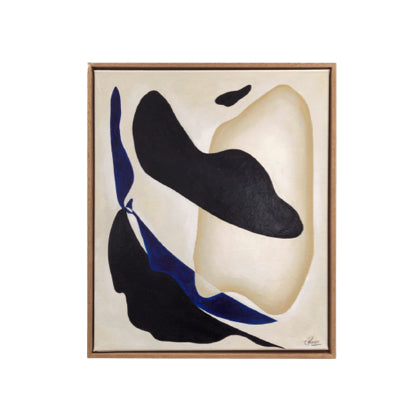
Paper painting is an art form that merges traditional techniques with modern styles. This collection includes a variety of pieces, from abstract to figurative works. Each artwork highlights the artist's skill through color, texture, and form. These paintings convey narratives that reflect the unique style and philosophy of the creator. Crafted on paper, this medium presents both challenges and rewards, offering a fresh perspective in the art world. Each paper painting captures the artist's creativity, making it a valuable addition to any design collection.
Paper painting
Show Filter
Understanding the philosophy behind paper painting
This collection showcases the appeal of paper painting, a medium that extends beyond traditional boundaries. Each piece tells a unique story, where color, texture, and form come together. Artists use various techniques to layer paper, creating depth and dimension. The collection includes styles ranging from minimalist designs to intricate collage art, allowing for an exploration of artistic expression. The tactile quality of paper makes each artwork relatable. For further inspiration, explore our wall painting design collection. Our selection process values craftsmanship.
The selection process for our paper painting collection emphasizes craftsmanship. Each artist's vision is chosen to highlight the many ways paper can be shaped into art. Many works incorporate wallpaper patterns or recycled materials, showcasing creativity while promoting sustainability. This blend of tradition and modernity creates a dynamic interaction within the collection, prompting a reevaluation of everyday materials.
Artworks in this collection are more than decorative items; they provide insights into the essence of art. By illustrating the balance between fragility and strength in paper painting, we highlight the subtleties that accompany each creation. The layers of paper can represent life's complexities, encouraging viewers to look beyond the surface. Each piece emphasizes that beauty often lies in simplicity, showing how art can evoke emotions and inspire reflection.
Wallpaper has long served as a means of expression, functioning as more than just a backdrop. Originating in China during the 2nd century, wallpaper has evolved through various cultures, adapting to the tastes of each era. In Europe, it gained popularity in the 16th century, replacing traditional tapestries and becoming a canvas for intricate designs and colors that showcased artistry. The craftsmanship involved in creating wallpaper turned it into an art form, where patterns and textures were developed to evoke interest.
Over the years, wallpaper has mirrored societal changes, from the grandeur of the Baroque period to the simplicity of contemporary design. The evolution of wallpaper reflects cultural significance, illustrating how people express their values and aesthetics through their living spaces. Wallpaper offers visual appeal and creates an atmosphere, enhancing the mood of a room. As artists began experimenting with collage art techniques, the boundaries between traditional wallpaper and artistic expression blurred, leading to modern interpretations that inspire. Today, wallpaper remains an essential element in interior design, offering endless opportunities for creativity and personalization.
Incorporating artwork into your home can add character to any space. One effective method is to consider the overall color palette and style of your room. Artwork should complement your existing decor while also standing out as a focal point. For example, if your space is mainly neutral, a colorful piece can create a striking contrast. Conversely, if your room features bold colors or patterns, choose artwork that enhances those elements. This approach creates a cohesive atmosphere.
When arranging your artwork, consider the scale and placement. Larger pieces can anchor a room, making them ideal for spaces above sofas or mantels, while smaller artworks can be grouped to form a gallery wall. This arrangement adds dimension and encourages viewers to explore each piece closely. Additionally, think about the heights at which you hang your artwork; eye level is typically the most engaging vantage point. Remember, lighting significantly impacts how your artwork is perceived. Natural light can enhance its colors, while strategically placed spotlights can highlight specific pieces. By focusing on these details, you can create a welcoming atmosphere.
Frequently Asked Questions
Paper painting refers to a unique art form where artists creatively use various types of paper to construct images or scenes. This technique often involves layering, cutting, and manipulating paper to achieve depth and texture, similar to collage art. It embraces materials like handmade, recycled, or patterned papers, allowing for diverse aesthetic expressions and a tactile quality that enhances visual storytelling.
To create a paper painting, start by selecting a base, such as canvas or sturdy paper. Choose your materials, including colored, textured, or patterned papers. Cut and layer the papers into shapes and forms that represent your vision. Use glue for adhesion, and consider incorporating mixed media elements. This process encourages experimentation with color, composition, and technique, reflecting the artist's personal style.
Yes, paper paintings can be framed to enhance their presentation and protect the artwork. When framing, consider using glass or acrylic to safeguard against dust and damage. Additionally, a mat can elevate the piece, providing visual space between the artwork and frame. Selecting a frame that complements the paper's textures and colors can greatly enhance the overall aesthetic of the finished piece.