


The Organic Modern Sculpture collection combines artistry with elements from nature. This selection includes pieces that capture the essence of the natural world through minimalist designs. Each sculpture presents a unique take on the organic modern aesthetic, using materials like ceramic, wood, and stone. These works blend geometric shapes with organic forms, examining the connection between form, texture, and material. The organic modern sculpture collection complements both vintage and contemporary interiors.
Organic modern sculpture
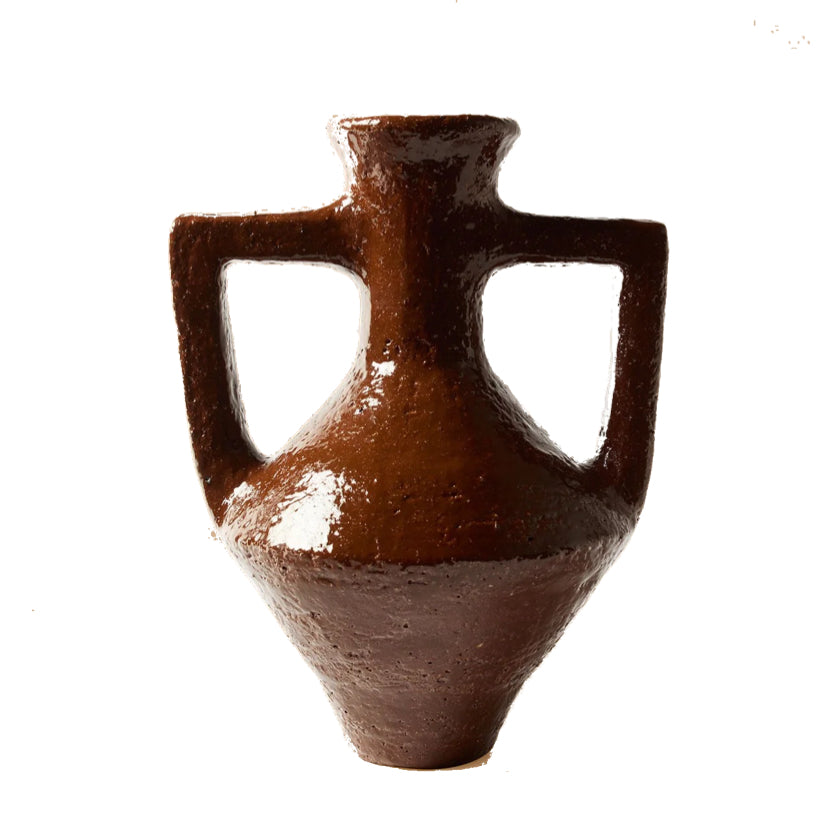
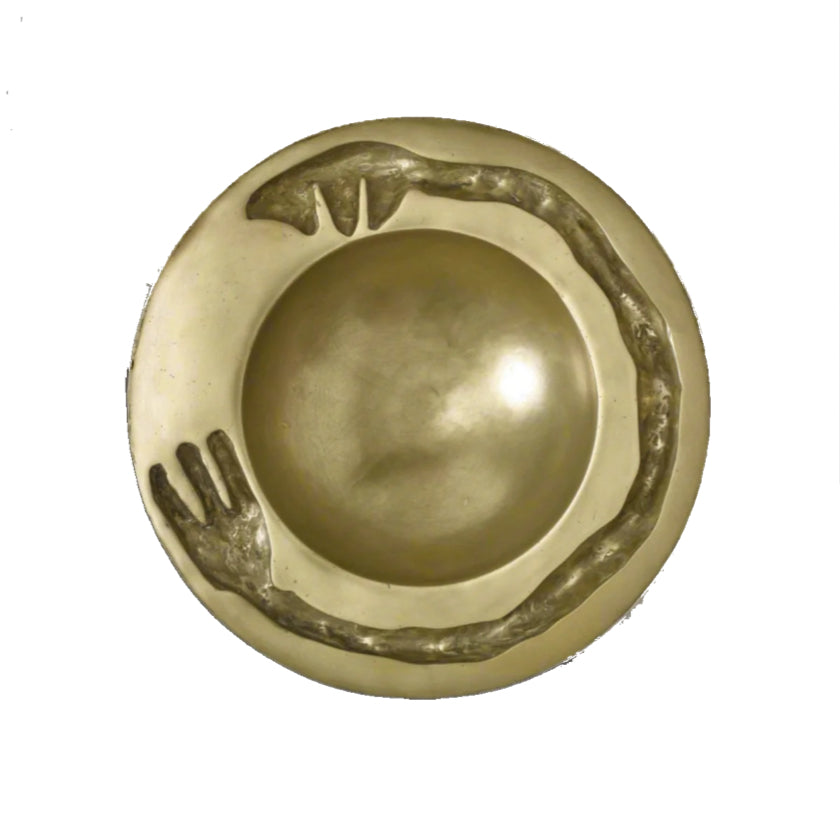
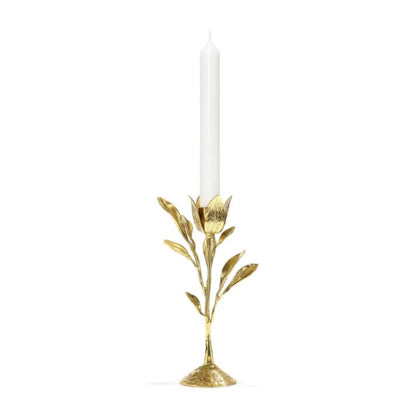
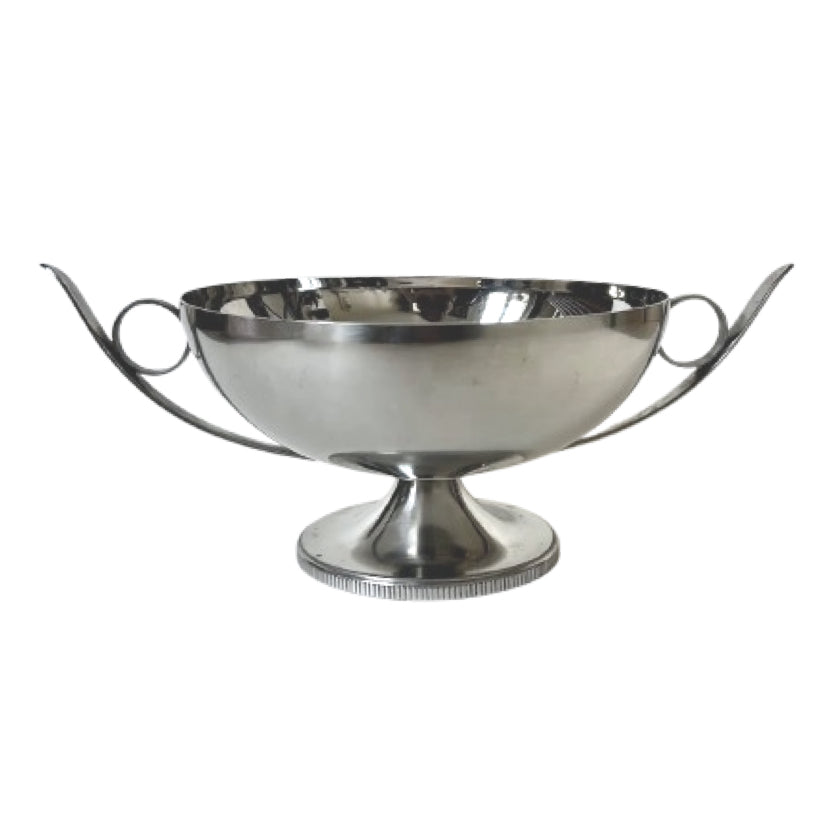
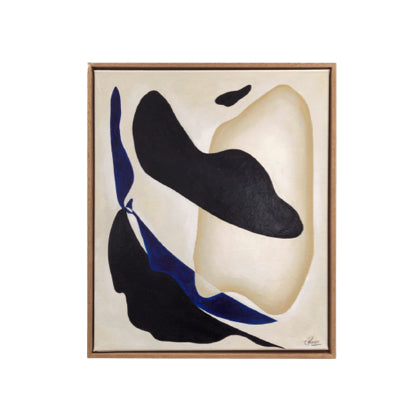
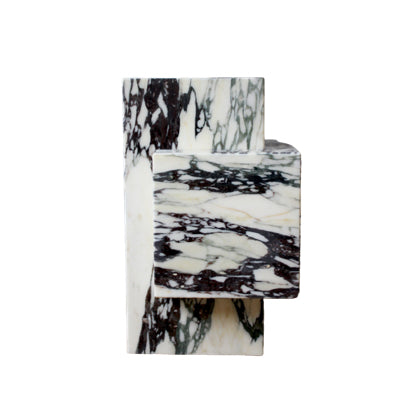
Show Filter
Understanding the essence of organic modern sculpture
Our collection draws inspiration from the link between nature and artistic expression. Organic modern sculpture embodies this bond, featuring forms and textures that echo the beauty found in the environment. Each piece is chosen for its aesthetic quality and its ability to resonate with viewers. By incorporating materials such as stone, wood, and clay, these sculptures merge minimalist design with the intricate details of nature, resulting in art that feels both contemporary and timeless.
The collection emphasizes organic shapes that connect with viewers. Each artist featured here is dedicated to their craft, respecting the raw materials they use. This commitment is evident in every curve and line, demonstrating the balance between art and nature.
Ceramic art plays an important role in this collection, merging traditional techniques with modern aesthetics. The tactile quality of ceramics enhances the experience, inviting interaction and contemplation. By selecting pieces that embody this philosophy, we aim to inspire discussions about sustainability and the role of art in honoring the natural world.
Minimalist design emphasizes simplicity and functionality, stripping away the unnecessary to reveal the beauty of form and material. This approach has influenced sculpture, where artists focus on clean lines and understated elegance. Using materials like stone, metal, and ceramic art creates a tactile experience that highlights the craftsmanship involved. Minimalism in sculpture creates a connection with the surrounding space, prompting contemplation and a deeper relationship with the artwork. This aesthetic brings a sense of calm, making it a fitting addition to modern interiors.
The minimalist movement emerged in the mid-20th century as a response to complex artistic styles. Artists aimed to reduce their work to its essential elements, resulting in pieces that convey meaning through simplicity. This shift not only influenced aesthetics but also challenged consumerism and the clutter of modern life. As minimalist sculpture gained recognition, it began to impact various mediums, including architecture and design, embedding its principles into contemporary culture.
Ceramic art connects nature and design, making it an important element of modern interiors. When incorporating ceramic pieces into your space, consider their minimalist forms and earthy tones to create a balanced look. They serve as decorative elements that enhance your home's aesthetic. A striking ceramic sculpture on a well-lit shelf or dining table can anchor the room’s design.
Styling with ceramic art allows for personal expression. Think about the colors and textures in your existing decor; choose ceramic pieces that complement or contrast beautifully. Group smaller sculptures for a cohesive display, or let one large piece serve as a focal point. Pay attention to the finish of your ceramic art, as matte, glossy, or textured surfaces can influence how light interacts with the piece, adding depth to your design.
Caring for your ceramic art is essential for preserving its beauty and longevity. Regular dusting with a soft cloth helps maintain its appearance, while avoiding harsh chemicals protects the integrity of the glaze. If your ceramic art is functional, such as vases or serving dishes, gentle hand washing with mild soap is advisable. For decorative pieces, keep them out of direct sunlight and humidity to maintain their colors and finishes over time. Proper care ensures your ceramic art remains a cherished part of your home for years.
Frequently Asked Questions
Organic modern sculpture is an artistic movement that emphasizes natural forms and materials, blending contemporary design with the fluidity of nature. Characterized by soft lines and organic shapes, these sculptures reflect the relationship between human creativity and the natural world, creating visual experiences that evoke a sense of connection.
Organic modern sculpture is typically made using materials such as wood, stone, metal, and clay, creating a tactile connection to nature. Artists often use techniques like carving, casting, or assembling found objects to achieve fluid forms. This process highlights craftsmanship and the organic characteristics of the materials, resulting in unique pieces that capture natural beauty.
Organic modern sculptures can be found in various settings, including art galleries, museums, and public art installations. Many contemporary artists also exhibit their work in studios and at art fairs. Our collection features a selection of these artworks, showcasing the diversity of styles and materials used in the organic modern movement, reflecting both innovation and tradition.