


This collection of modern abstract painting features a variety of colors and textures. Each piece captures the creative energy of the post-war period, blending traditional techniques with contemporary styles. The artworks include bold compositions that explore forms and colors, showcasing the influence of artistic abstraction on contemporary design.
Modern abstract painting
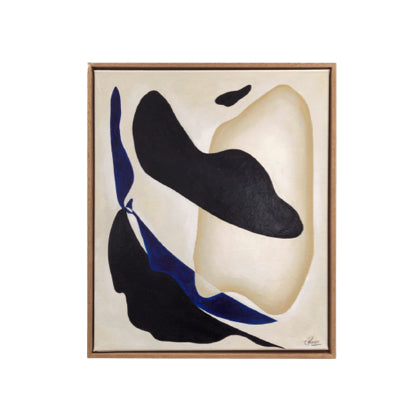
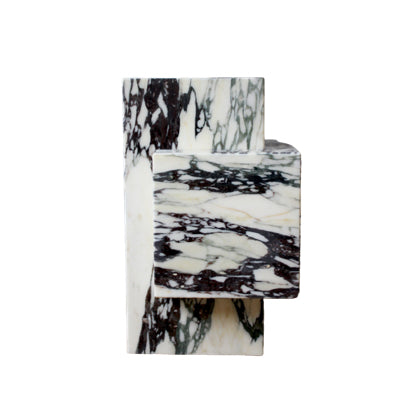
Show Filter
Understanding the philosophy behind modern abstract painting
This collection traces the journey of abstract art from early 20th-century movements to today's expressions, including innovative wall painting design that enhance any space.
Abstract art conveys complex ideas through simple forms, colors, and textures. Our collection includes works that balance chaos and order. Each artwork connects the artist and the viewer, allowing for personal interpretation. Modern abstract painting adds character to any wall, prompting reflection within different environments.
We explore the evolution of abstract art, highlighting both the aesthetic qualities of the pieces and the cultural and historical contexts from which they emerge. Our goal is to promote an appreciation for modern abstract painting that resonates artistically and emotionally, providing a platform for artists to share their vision.
Abstract art has a rich history that reflects the evolution of artistic expression throughout the 20th century. It emerged as a response to traditional representation, aiming to convey emotions through color, form, and line. Artists like Wassily Kandinsky and Piet Mondrian pioneered non-representational elements, moving away from realistic portrayals. This shift allowed abstract art to become a medium for personal expression, where the artist's feelings and experiences took center stage. Movements like Abstract Expressionism pushed boundaries, leading to diverse interpretations and techniques that inspire contemporary creators.
Culturally, abstract art has challenged societal norms and perceptions of beauty. The movement encourages viewers to engage with art emotionally. As artists worldwide contribute to this genre, abstract art merges various cultural influences. Today, it remains a powerful form of wall art that captivates audiences and offers a visual language that resonates across different backgrounds.
Incorporating wall art into your home can redefine your space. The beauty of abstract art lies in its ability to connect with viewers, making it ideal for modern decor. When selecting pieces, consider the color palette of your room; vibrant hues can energize a neutral space, while softer tones create a serene atmosphere. Grouping smaller pieces can create a focal point, while larger works can serve as anchors. Balancing the scale of your wall art with your furniture and decor is essential for a cohesive look.
Caring for your wall art is important to ensure it retains its beauty. Regular dusting can prevent buildup that obscures the colors and intricate details. If you have framed art, consider placing it away from direct sunlight to protect it from fading. For unframed pieces, using a protective spray can help maintain the materials' integrity. By taking these small steps, your wall art will continue to enhance your space for years, reminding you of the creativity and expression it brings.
Frequently Asked Questions
Modern abstract painting is characterized by the use of color, form, and line to convey emotions and concepts rather than depicting recognizable subjects. Artists often use a variety of materials, including acrylics and mixed media, to explore themes of perception and interpretation. This movement emerged in the early 20th century, influenced by movements such as Cubism and Futurism, emphasizing the subjective experience of art.
When selecting modern abstract art, consider the color palette and style that complements your existing décor. Look for pieces that resonate with your personal aesthetic and evoke desired emotions. Scale is also important; larger works can serve as focal points, while smaller pieces may enhance gallery walls. Think about the mood you wish to create and how the artwork interacts with light and space.
Modern abstract paintings can be found in various venues, including galleries, art fairs, and online platforms dedicated to contemporary art. Visiting local exhibitions can provide insight into current trends and emerging artists. Additionally, art institutions often curate collections that showcase notable works, allowing you to appreciate the diversity of abstract expression. Engaging with artist studios can also reveal unique pieces not widely available.