


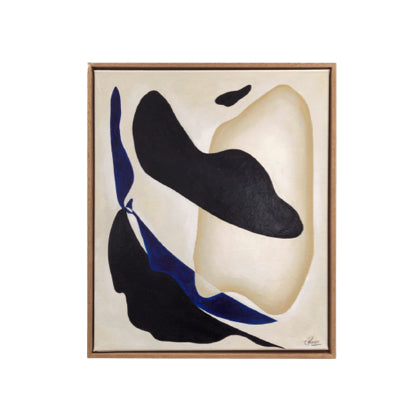
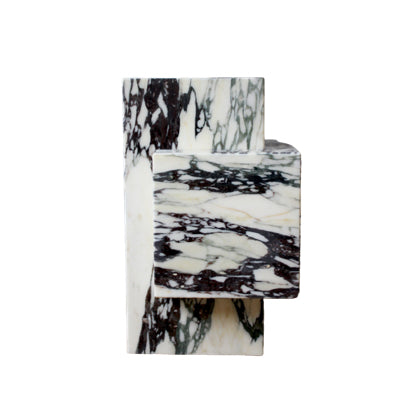
Minimalist art emphasizes essential forms and a straightforward approach. Our collection embodies the principles of minimalism, where simplicity and clarity are key. Each piece demonstrates a careful balance of line and space, illustrating that less can mean more. These artworks combine functionality with aesthetics, offering an understated elegance. Ranging from modern abstract art to contemporary wall art, every item presents a distinct interpretation of this streamlined aesthetic. The minimalist design often uses monochromatic palettes and features a thoughtful arrangement of form, texture, and light. With sleek materials and refined craftsmanship, these elements provide a fresh perspective on minimalist art that feels both modern and authentic.
Minimalist art
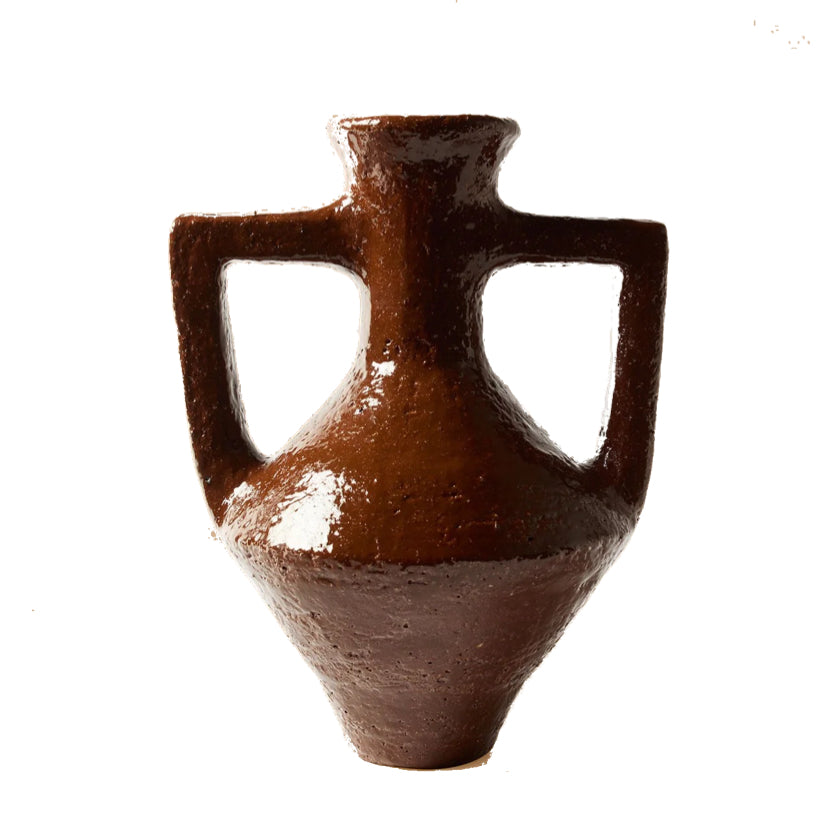
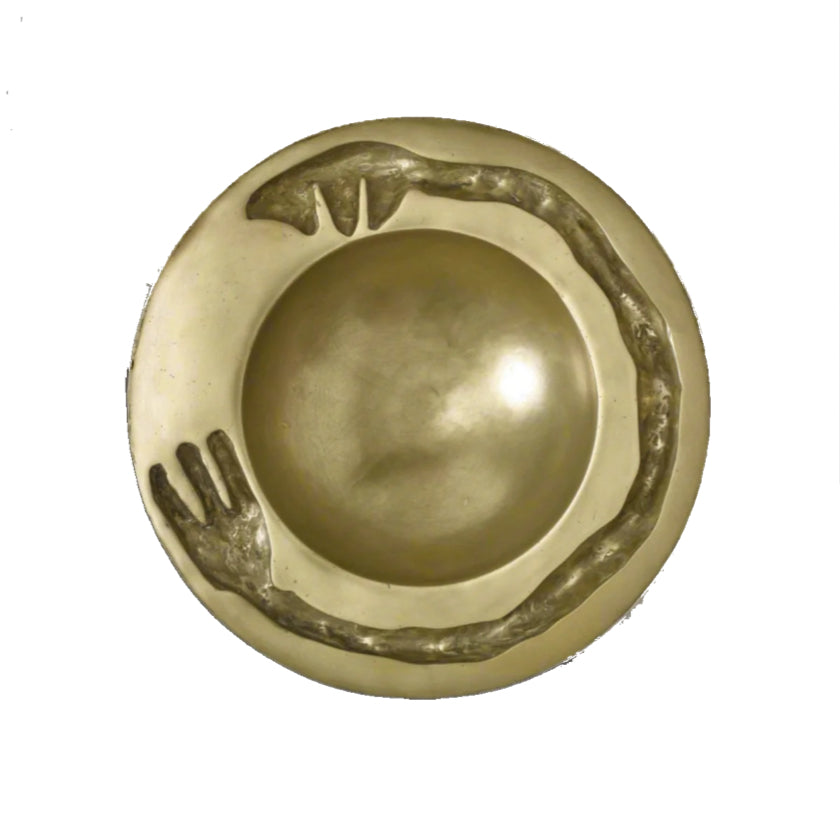
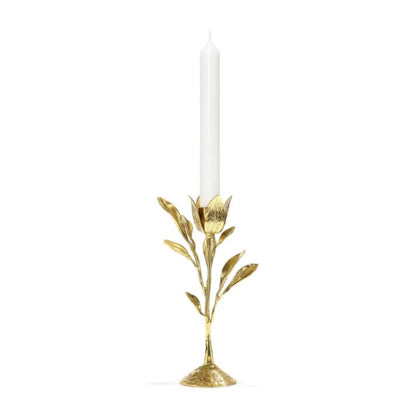
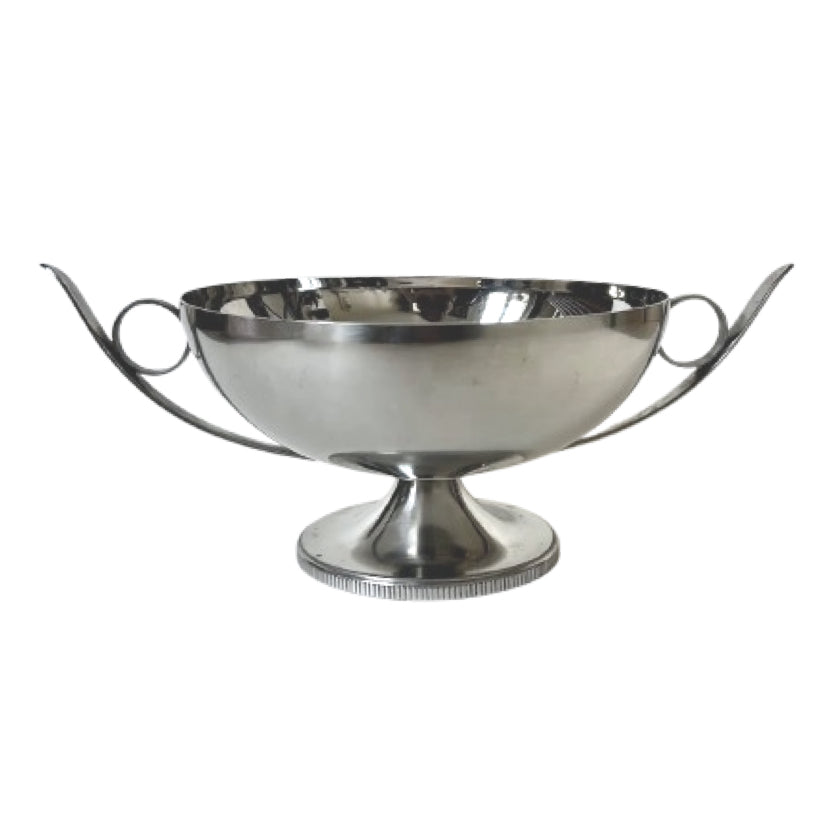
Show Filter
Understanding the philosophy behind minimalist art
This collection appeals to those who value mindfulness and intentionality, making it suitable for modern home decor. Minimalism encourages clarity in our daily lives.
The selection includes pieces that embody minimalism, each telling its own story through simplicity. This approach creates a canvas for modern abstract art, where every line and color is purposefully placed. Collectors and admirers often find that these artworks refresh a space, allowing for deeper contemplation.
Beyond wall art, our collection reveals the emotional and intellectual depth that minimalist pieces can provide. Each artwork showcases the beauty of simplicity amid a complex world. This collection aligns with those who value mindfulness and intentionality.
Modern abstract art emerged in the early 20th century as artists sought to move beyond traditional forms. This movement focuses on simplicity, geometric shapes, and a concentration on color and texture rather than detailed depictions of reality. Artists like Wassily Kandinsky and Kazimir Malevich experimented with non-representational forms that expressed emotions and ideas through abstraction. This shift marked a change from representational styles, allowing viewers to connect with art on a more intuitive level.
Modern abstract art holds cultural relevance. It reflects the shifting societal values of its time, resonating with innovation and freedom. As industrialization and urbanization transformed the world, artists created wall art that captured the complexities of modern life. The movement challenged traditional aesthetics and sparked discussions about the role of art in society. By encouraging personal interpretations, modern abstract art allows viewers to reflect on their own experiences.
Integrating wall art into your living space can enhance the overall atmosphere. Wall art conveys emotion and personality while maintaining a clean aesthetic. When choosing pieces, consider the color palette and style of your room; this will help you select art that complements your decor. Large, bold pieces can serve as focal points, while smaller works can be arranged in a gallery style.
To style wall art effectively, pay attention to balance and proportion. Hanging art at eye level allows viewers to appreciate the work comfortably. Consider surrounding elements like furniture and lighting to ensure the wall art stands out. Using frames that match the room's design can create a cohesive look, while mixing textures and finishes adds depth.
Frequently Asked Questions
Minimalist art is characterized by its simplicity, often featuring a limited color palette and geometric forms. It emphasizes the essence of the subject by removing excess details, allowing viewers to focus on fundamental elements. Originating in the late 1950s, it challenges traditional notions of art by prioritizing form and space over narrative, reflecting a broader philosophy of minimalism that values reduction and clarity.
To incorporate minimalist art in decor, choose pieces that align with a clean, uncluttered aesthetic. Opt for artworks featuring neutral colors or monochromatic schemes that complement your space. Position these pieces strategically to create focal points, ensuring they harmonize with furniture and other design elements. The aim is to enhance the overall atmosphere while maintaining a sense of openness and tranquility.
Authentic minimalist art can be found at specialized galleries, contemporary art fairs, and museums dedicated to modern art. Online platforms that curate collections from emerging and established artists also offer a rich selection. When seeking minimalist pieces, consider the artist’s background and the materials used, as authenticity often lies in the intention behind the work and its adherence to minimalist principles.