


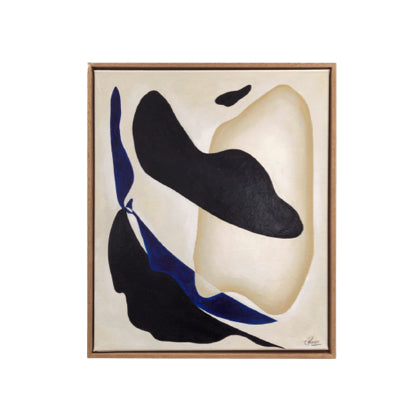
Linen painting combines organic qualities with sophistication, providing a refined option for any space. The Oblist Collection showcases this art form, highlighting the natural beauty of linen fibers and the artists' techniques. Each piece reveals the soft texture of linen, enhanced by oil paints. The strokes and color variations demonstrate the artist’s connection with the canvas. This collection includes traditional methods alongside modern interpretations, establishing linen painting as a notable medium in the art world.
Linen painting

Show Filter
Understanding the essence of linen painting
Alongside our focus on linen painting, we also offer various styles in wall painting design that can enhance any art collection.
Each piece has been chosen for its visual appeal and the qualities that set it apart from traditional canvas painting. The texture of linen adds a tactile aspect that helps viewers connect with the artwork. It’s about experiencing the artist’s vision.
Every artwork in our collection shows a commitment to skill and creativity. The use of oil on linen combines historical aspects with modern artistic expression. Each brushstroke carries a narrative. Explore the intricate details that make each piece a true work of art.
Oil on linen has long been a preferred medium for artists, known for its ability to capture rich textures and vibrant hues. The fine weave of linen provides a sturdy yet flexible surface, allowing for detailed brushwork. Unlike cotton canvas, linen offers a smoother finish that enhances the brightness of oil paints, resulting in lasting artworks. Artists value linen for its natural resistance to wear, making it ideal for pieces meant to endure over time.
The history of oil on linen dates back to the Renaissance, when painters like Titian and Rembrandt used this medium to achieve remarkable richness in their works. This medium reflects a time when artists began to explore new techniques and materials, expanding the possibilities of traditional painting. This shift influenced movements like Impressionism and Modernism.
When considering canvas painting vs oil, it's important to recognize the distinct qualities each medium offers. Canvas painting typically has a more textured surface, allowing colors to stand out and light to interact beautifully with the artwork. In contrast, oil on linen is known for its depth and luminosity, often resulting in a more refined finish. Artists choose between these methods based on their desired outcome, with oil paint providing a longer drying time that facilitates blending and layering.
Maintaining your artworks can also differ depending on whether they are created with a canvas painting technique or oil on linen. Canvas paintings tend to be more durable and can handle more wear, making them suitable for busy areas. However, oil on linen requires careful handling, as the oil can be sensitive to direct sunlight and humidity. Proper framing and thoughtful placement in your home can help preserve both types of artwork, ensuring their beauty endures for years to come.
Frequently Asked Questions
Linen painting refers to artworks created on linen fabric, often using techniques like oil painting. Linen, derived from the flax plant, provides a unique texture and durability, making it a preferred surface for many artists. Its fine weave allows for intricate detailing and enhances color vibrancy. Historically, artists have favored linen for its longevity compared to other materials, contributing to its esteemed status in fine art.
Caring for linen paintings involves maintaining a stable environment free from excessive humidity and direct sunlight, which can cause damage over time. We recommend gently dusting the surface with a soft brush and avoiding harsh cleaning agents. If necessary, professional conservation is advisable for any restoration or deep cleaning. Proper framing and hanging techniques further protect the artwork, ensuring its longevity and integrity.
Linen is often chosen over canvas for its superior quality and texture. The natural fibers provide a smoother surface, enhancing the application of oils and allowing for finer detail work. Additionally, linen has a lower tendency to sag or warp, contributing to the longevity of the artwork. Artists appreciate linen’s ability to retain vibrancy and depth in color, making it a favored choice in high-quality art production.