


Handmade ceramic art blends functionality with aesthetic appeal. At The Oblist, our collection showcases the craftsmanship of each ceramic artist. Each piece reflects its unique form, texture, and color. The tactile quality of ceramics emerges from the processes of molding, firing, and glazing. Our selection includes earthy vessels and striking ceramic sculptures, illustrating the range of possibilities within this medium.
Handmade ceramic art
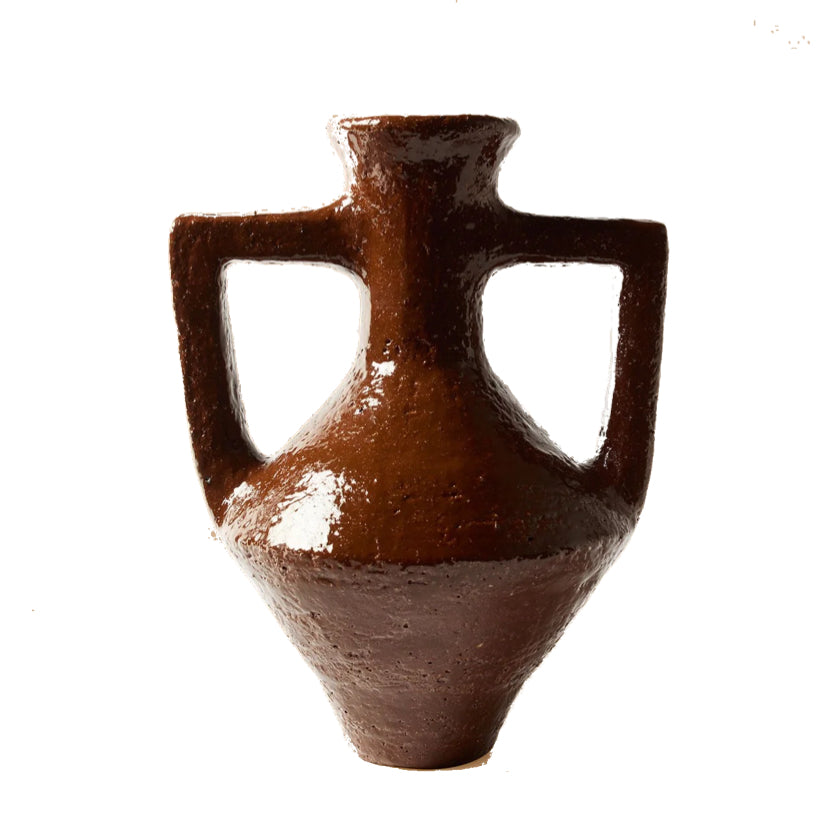
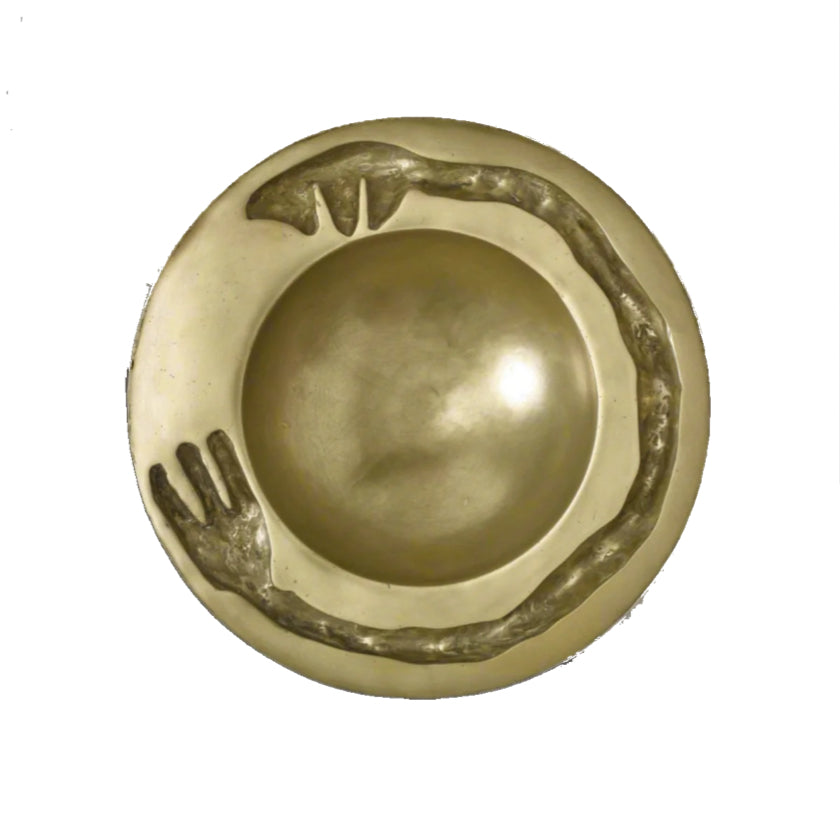

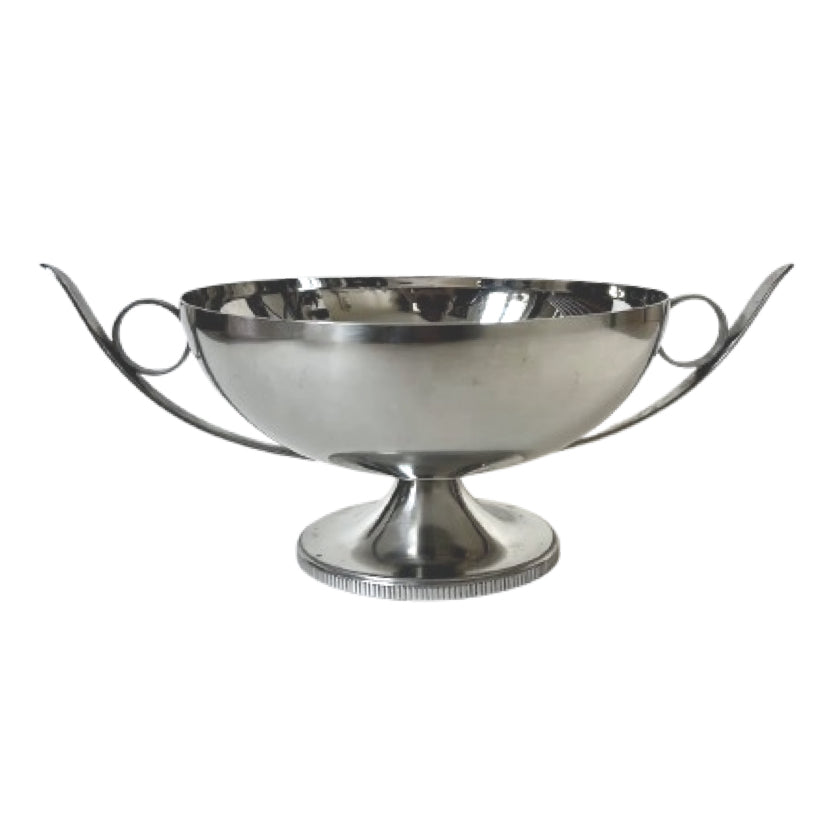
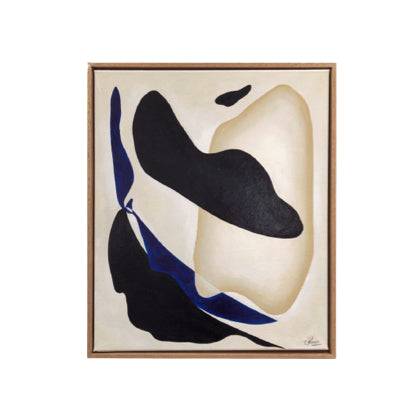
Show Filter
The philosophy behind handmade ceramic art curation
Our collection includes a variety of pottery and sculpture, reflecting the craftsmanship that comes from the artisan's hand.
The ceramicists we partner with focus on sustainable practices and often use traditional methods passed down through generations. By valuing craftsmanship over mass production, we support local communities and promote appreciation for ceramic art. This results in a collection where each item connects to the earth.
Handmade ceramics invite you to appreciate the beauty in imperfections. Our collection allows you to bring a piece of this artistry into your home. Each item reflects the care and dedication involved in its creation, adding warmth and authenticity to your space.
Pottery has played an important role in human civilization for thousands of years, serving both practical and artistic purposes. The earliest known pottery dates back to around 29,000 BC, showing its significance for our ancestors. Initially functional for storing food and water, pottery evolved artistically as societies changed. Various cultures developed distinct styles and techniques that reflect their surroundings and values. This evolution highlights advancements in ceramics and provides insight into the daily lives of different communities.
In many cultures, pottery holds cultural significance beyond utility. It can represent social status, artistic expression, and spiritual beliefs. For example, Native American pottery often features intricate designs that tell stories or depict the natural world, while ancient Greek pottery is known for elaborate scenes showcasing mythology and daily life. Each piece serves as a historical document, offering insight into the civilization that created it.
Ceramic sculpture provides a unique medium for creative expression. Each piece conveys a narrative through its form, texture, or glaze. When incorporating ceramic sculptures into your home decor, consider their placement to highlight their beauty. A well-placed sculpture can become a focal point, drawing attention. Think about surrounding elements like lighting and color schemes to enhance the visual impact of your chosen piece.
Caring for your ceramic sculptures is essential to preserve their charm. Avoid exposing them to extreme temperatures or direct sunlight, which can lead to fading or cracking. Regularly dusting with a soft cloth will keep the surface clean. For more detailed pieces, a gentle wash with mild soap and water can refresh the sculpture without damaging its finish. By following these care tips, you can ensure that your ceramic pieces remain cherished parts of your collection for years.
Frequently Asked Questions
Handmade ceramic art includes objects made from clay and fired at high temperatures for durability and aesthetic appeal. This art form encompasses pottery, sculptures, and decorative pieces. Each creation is unique due to the artisan's touch, showcasing variations in texture, color, and form that reflect the individuality of the maker.
Creating handmade ceramic art involves several steps: selecting quality clay, shaping it using hand-building or wheel-throwing techniques, and allowing it to dry before firing. The piece is glazed to enhance its color and finish before undergoing a second firing. This meticulous process enables artisans to express their creativity while ensuring the piece's functionality and durability.
Handmade ceramic art adds character and warmth to any space, reflecting a rich history of craftsmanship. Each piece is unique, showcasing the artist's skill and personal style. The materials used, such as natural clay and non-toxic glazes, contribute to a sustainable aesthetic. Incorporating handmade ceramics into decor enhances visual interest and supports artisanal traditions and appreciation for fine craftsmanship.