


Brutalist home design captures the straightforward aesthetics of the mid-20th century Brutalist movement. This collection focuses on the honest use of materials like concrete, metal, and glass. Each piece reveals the beauty of these materials. Often large, the items in this collection have an architectural quality rooted in the movement's origins in building design. This Brutalist home design collection emphasizes authenticity in materials and the design that embraces its raw state.
Brutalist home design

Show Filter
Understanding the essence of brutalist home design
This collection includes a variety of furniture and architectural elements that embody the bold lines and tactile qualities of brutalist style, making it a suitable addition to any modern home decor.
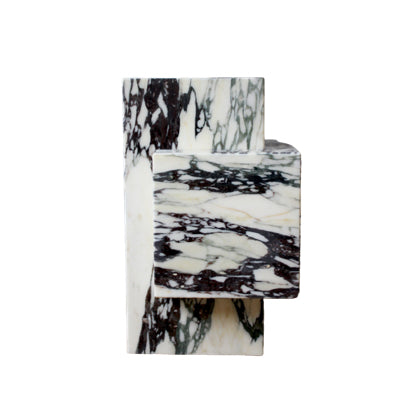
The collection presents furniture and architectural elements that capture the bold lines and textures typical of brutalism. These designs are functional and offer a sense of artistry and permanence. Each item has been selected for its visual appeal and its ability to shape the atmosphere of a space.
The functionality of brutalist designs plays a key role in their attraction. The furniture is designed for comfort while using raw materials. This combination of form and function creates a living environment where each piece fulfills its purpose while adding to the architectural character of the home.
Architecture has evolved significantly due to cultural shifts, technological innovations, and societal needs. Emerging in the mid-20th century, a distinctive architectural style focused on functionality and raw materials, moving away from traditional aesthetics. This movement embraced concrete and steel while challenging ornamental norms, offering a fresh perspective on how buildings interact with their surroundings. The architecture from this period often conveys strength and permanence.
This architectural style embodies a philosophy of design that values honesty in materials and form. This clarity is visible in both residential and public buildings. The focus on functionality often resulted in innovative layouts and spatial uses, facilitating seamless interactions between the environment and its inhabitants. Furniture within these structures typically aligns with this architectural ethos, emphasizing minimalism and utility, which contributes to the overall aesthetic experience. The relationship between architecture and furniture design creates a cohesive environment that is both practical and visually appealing.
Choosing the right furniture is essential for establishing a cohesive atmosphere in your home. Pieces that align with the architectural style can shape the overall aesthetic. In modern settings, furniture often features clean lines and geometric shapes, reflecting minimalism. When selecting furniture, consider materials like concrete, metal, and wood, which contribute to a robust yet inviting look. Each piece should serve a function and blend smoothly with the walls and surroundings.
Incorporating furniture that adds texture can create visual interest and depth. Look for unique finishes or bold colors that contrast with the neutral tones typically found in modern architecture. Accessories like cushions or throws can soften the starkness of certain pieces. By mixing various materials and styles, you can create a space that resonates with both comfort and sophistication, allowing guests to engage with the environment meaningfully.
Frequently Asked Questions
Brutalist home design is marked by its raw, exposed materials, especially concrete, and a focus on geometric forms. This style emerged in the mid-20th century, prioritizing functionality over ornamentation. It often includes large, solid structures that convey a sense of ruggedness, reflecting the movement's roots in post-war architecture and a desire for honest expression through materials.
To incorporate brutalist design in interiors, use raw materials like concrete, steel, and wood. Choose furniture with bold, angular shapes and minimal ornamentation. Adding large windows can maximize natural light, enhancing the aesthetic while maintaining a connection to the outdoors. Balancing these elements with softer furnishings can create a harmonious and inviting space.
Brutalist architecture originated in Europe, particularly in post-World War II Britain, as a response to the need for affordable housing and functional public buildings. The term 'brutalism' comes from the French word 'béton brut,' meaning raw concrete, which became a signature material. Influential architects like Le Corbusier and Louis Kahn were key figures in this movement, which later spread globally and significantly impacted urban design and architecture.