


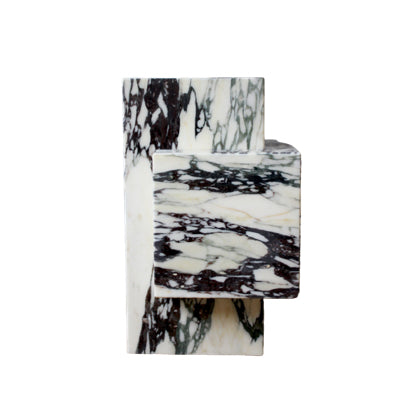
The minimalism and functionality of the Bauhaus movement come to life in this thoughtfully assembled collection of Bauhaus stools. These pieces, revered for their striking simplicity and geometric forms, encapsulate the school's profound belief in the unity of art and industry. Each stool showcases the movement's preferred materials - tubular steel, wood, and the occasional hint of leather, manifesting a sleek yet robust presence. The cohesive harmony between form and function that a Bauhaus stool offers, provides any space with an undeniable sophistication, reflecting the enduring legacy of this influential design period.
Bauhaus stool
Show Filter
The Art of the Bauhaus Stool: Philosophy and Design
In curating this collection, we prioritize quality and sustainability, ensuring that each stool is made from materials that are both durable and environmentally friendly, much like our selection of mid century modern furniture. By doing so, we pay homage to the Bauhaus ideals of integrating art with industry, creating pieces that are both modern and timeless.
The philosophy behind our curation focuses on celebrating craftsmanship and the stories that each design holds. By selecting stools that are not merely functional but also artistic, we highlight the creativity of renowned designers and their contributions to the Bauhaus movement. These pieces are more than just furniture; they embody a legacy of design that continues to inspire generations.
In curating this collection, we prioritize quality and sustainability, ensuring that each stool is made from materials that are both durable and environmentally friendly. By doing so, we pay homage to the Bauhaus ideals of integrating art with industry, creating pieces that are both modern and timeless. This commitment to thoughtful design is evident in every detail, from the choice of materials to the finish, making each stool a unique work of art.
The stylish designs of the early 20th century revolutionized the way we perceive furniture, with a focus on function and form that remains relevant today. This period was marked by a departure from ornate styles, favoring clean lines and geometric shapes that convey simplicity and sophistication. The aesthetic emphasized practicality without sacrificing beauty, showcasing a unique design language that combined artistry with everyday utility. This approach laid the foundation for modern furniture design, where each piece serves not just as a functional item but also as a statement of style within any space.
The cultural significance of these stylish designs cannot be overstated. They emerged during a time of great social and political change, reflecting the desires of a new generation seeking both individuality and communal living. As people began to appreciate minimalism, the stylish simplicity found in these designs resonated widely, influencing the way homes and public spaces were furnished. Today, these pieces continue to inspire contemporary designers, proving that the essence of stylish design is both timeless and adaptable, making it a beloved choice for those looking to enhance their living environments.
Modern seating options often prioritize both functionality and aesthetics, making them a favorite among contemporary design enthusiasts. This unique approach merges form and function, resulting in pieces that not only serve a purpose but also act as striking focal points in any space. When incorporating modern seating into your home, consider how the sleek lines and minimalist designs can harmonize with your existing decor. By mixing textures and materials, you can create an inviting atmosphere that reflects your personal style while highlighting the beauty of modern design.
To enhance the appeal of modern seating, pay attention to color schemes and patterns. Neutral tones can create a calm and sophisticated environment, while bold colors can inject energy into a room. Additionally, layering with accessories like cushions or throws can soften the striking lines of modern pieces, making them more approachable. Remember, the goal is to create a cohesive look that showcases the unique design of your seating while ensuring comfort and usability.
Frequently Asked Questions
When selecting a Bauhaus stool, consider its design integrity, materials, and craftsmanship. Look for iconic elements such as clean lines, geometric shapes, and functional forms that embody the Bauhaus philosophy of 'form follows function.' The choice of materials—often wood, metal, and textiles—should reflect durability and aesthetic balance, ensuring the stool complements your space while honoring its design heritage.
Caring for your Bauhaus stool involves routine cleaning and maintenance. For wooden surfaces, use a soft, damp cloth to remove dust and avoid harsh chemicals. Metal components can be polished with a suitable cleaner to prevent tarnishing. Additionally, ensure that upholstered areas are vacuumed regularly and spot-cleaned as needed to maintain the fabric's appearance and longevity.
Key characteristics of a Bauhaus stool include a minimalist aesthetic, functional design, and use of industrial materials. Typically featuring geometric forms and a focus on ergonomics, these stools reflect the Bauhaus movement's commitment to merging art and craftsmanship. The combination of innovative materials and simplicity in form allows them to serve both practical and decorative purposes in various environments.