


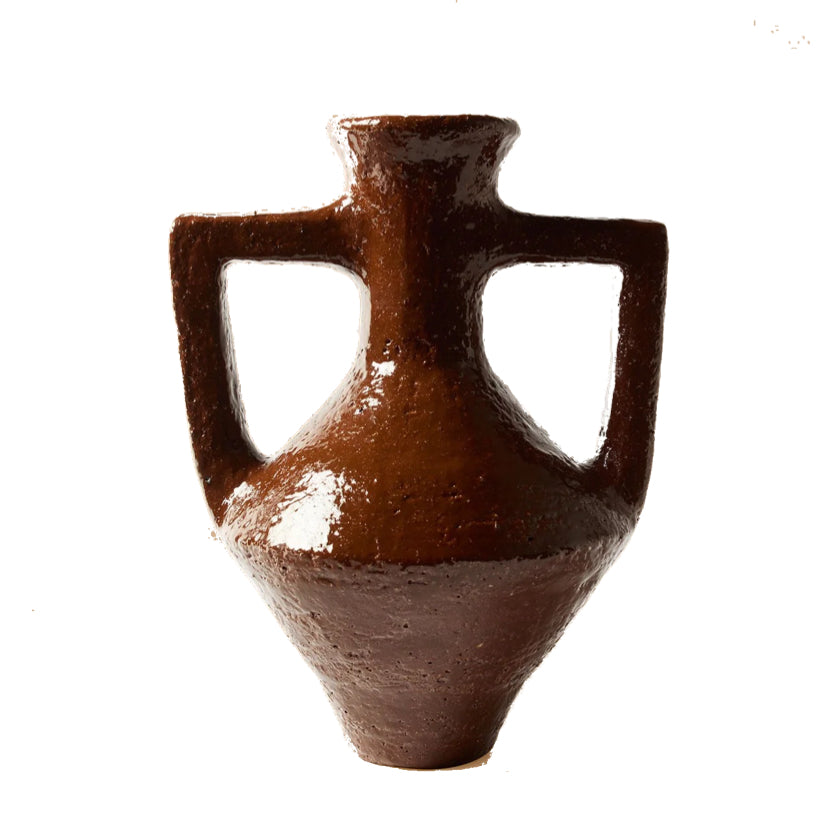
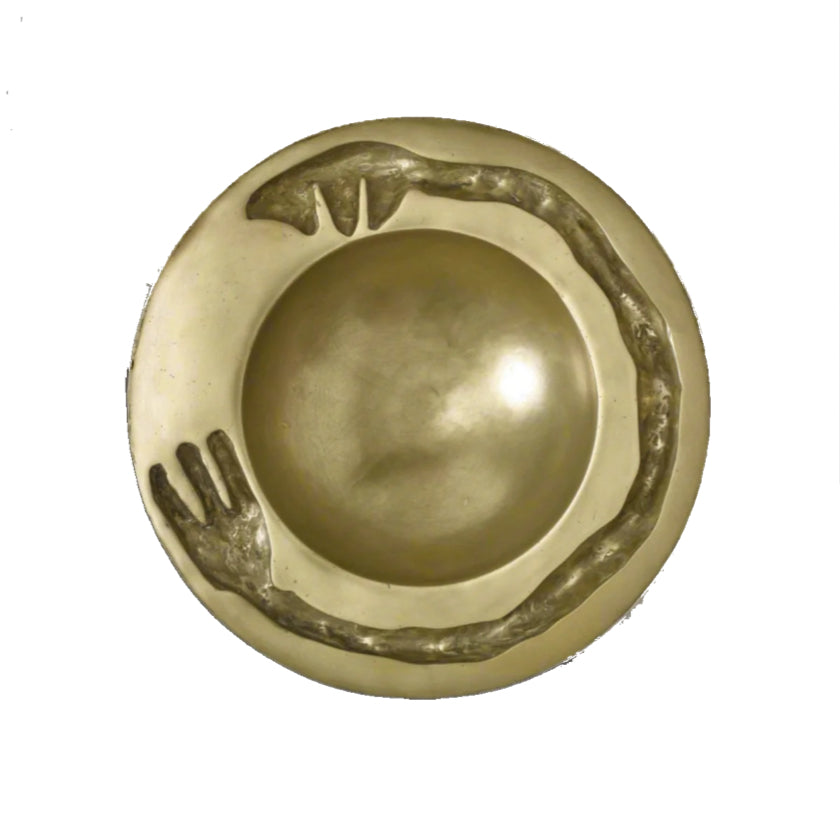
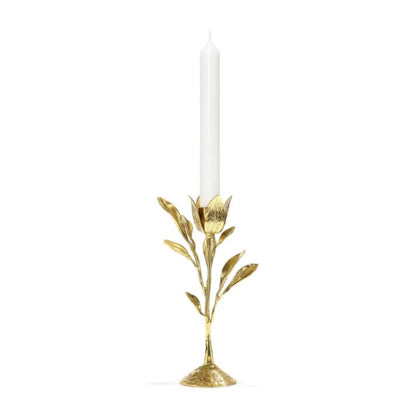
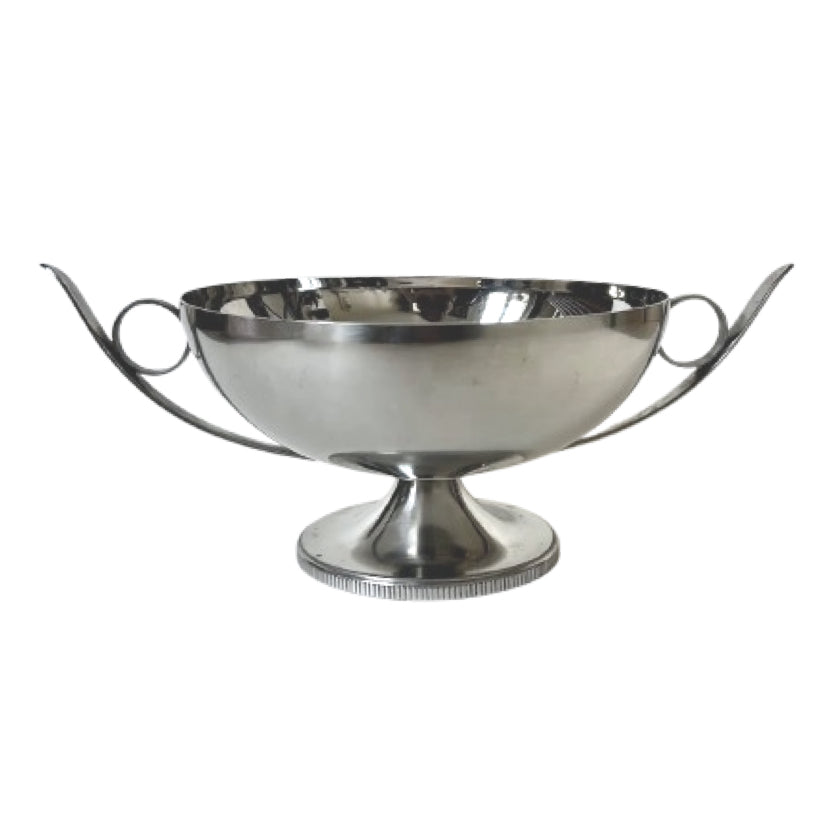
Bauhaus decor represents a pivotal point in design history, where functionality converges with aesthetic simplicity. This collection features genuine pieces that demonstrate the iconic geometric forms and unpretentious elegance of the Bauhaus movement. Crafted with an emphasis on rationality and balance, these items incorporate raw materials, such as steel, glass, and wood, ingeniously manipulated to accentuate their natural qualities. Whether it's a sleek chrome lamp or a boldly patterned rug, each object showcases the essence of Bauhaus, marrying form and function in a way few other design movements have managed. Bauhaus decor, thus, brings an intriguing chapter of design history into contemporary living spaces.
Bauhaus decor
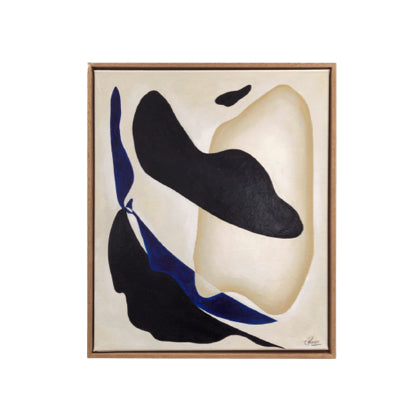
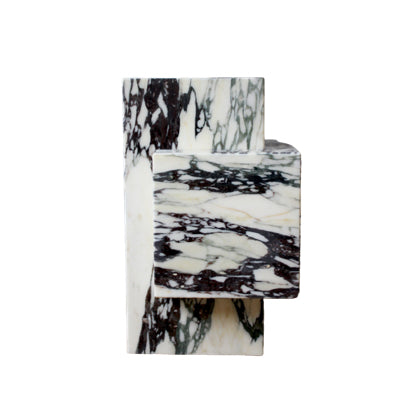
Show Filter
Understanding the Philosophy of Bauhaus Decor
Infusing your home with Bauhaus decor means embracing a lifestyle that values thoughtful design and a commitment to enduring quality, much like our selection of modern home decor.
By carefully selecting each item, we honor the legacy of the Bauhaus philosophy, where form follows function and craftsmanship is paramount. This collection invites you to appreciate the elegance of clean lines and the interplay of materials, from wood to metal. Our offerings highlight the balance between minimalism and creativity, making them perfect for modern living spaces that value both style and functionality.
In addition to furniture, our collection also features decorative elements that echo the Bauhaus ethos. These pieces not only enhance your environment but also serve as conversation starters, reflecting a rich history of artistic innovation. Infusing your home with Bauhaus decor means embracing a lifestyle that values thoughtful design and a commitment to enduring quality.
The evolution of furniture in modern design is a fascinating narrative that intertwines with the broader strokes of architectural movements and societal changes. Originating in the early 20th century, the Bauhaus school emphasized the integration of art, craft, and technology. This philosophy reshaped how furniture was conceived and manufactured, pushing towards minimalism and functionality. Iconic pieces such as the Wassily Chair and the Barcelona Chair emerged from this period, reflecting a harmonious blend of aesthetic appeal and practical use. The simplicity in design not only made these pieces visually striking but also accessible to a wider audience, changing the landscape of furniture in homes and public spaces alike.
One of the most significant aspects of this furniture movement was its commitment to materials. Rather than relying solely on traditional woods, designers began to incorporate metals, glass, and innovative textiles, showcasing the beauty of materials in their raw forms. This shift not only influenced the furniture industry but also inspired a generation of architects and artists to rethink their own practices. Today, the legacy of this approach can be seen in contemporary design, where the balance between form and function remains paramount.
The integration of architecture into your living space can create a harmonious atmosphere that reflects the principles of minimalism and functionality. By focusing on clean lines, geometric shapes, and an open layout, you can create a space that feels both expansive and inviting. Incorporating architectural elements such as large windows or skylights not only enhances natural light but also blurs the boundaries between the indoor and outdoor environments. This connection to nature can bring a sense of serenity and tranquility to your home.
When selecting furniture, consider pieces that echo the architectural style of your space. Opt for furnishings that are simple yet striking, such as a sleek sofa with straight lines or a minimalist coffee table that serves as a focal point. Using materials like metal, glass, and wood can enhance the architectural essence of your decor. Additionally, accentuating the architecture with thoughtful decor elements, such as geometric art or sculptural light fixtures, can elevate the overall aesthetic. This approach ensures that every aspect of your design works in unison, creating a cohesive and inviting environment.
Frequently Asked Questions
When selecting bauhaus decor, focus on simplicity and functionality. Look for clean lines, geometric shapes, and a balance of form and function. Materials such as steel, glass, and wood are commonly used, reflecting the movement's industrial roots. Consider pieces that embody the philosophy of 'less is more,' emphasizing minimalism and practicality in design.
Caring for bauhaus decor involves regular maintenance to preserve its integrity. For wooden pieces, use a soft cloth and furniture polish. Metal surfaces should be wiped with a damp cloth to avoid rust. Avoid harsh chemicals and excessive moisture, especially on textiles or upholstered items. Understanding the materials used will guide appropriate care methods, ensuring longevity.
Bauhaus decor is characterized by its emphasis on functionality, simplicity, and the fusion of art and industry. Key features include geometric forms, a limited color palette, and the use of modern materials like steel and glass. The design philosophy prioritizes utility without sacrificing aesthetic appeal, reflecting the movement's commitment to merging everyday life with artistic expression.