


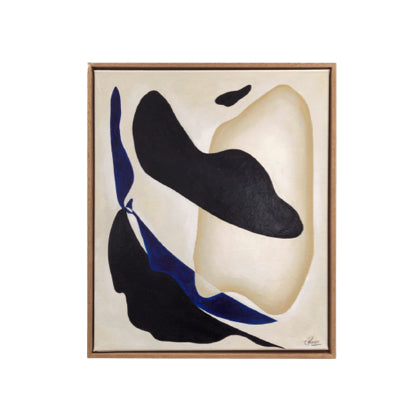
Art Nouveau painting emphasizes natural forms and structures with its detailed style. This collection includes works that represent the aesthetic principles of the Art Nouveau period, known for curving lines and dynamic shapes. Each piece shows craftsmanship, highlighting the elegance and sophistication of Art Nouveau. The color palettes and intricate designs combine natural elements with stylized aesthetics. With various materials and techniques, Art Nouveau painting adds distinct character to both vintage and contemporary spaces.
Art nouveau painting
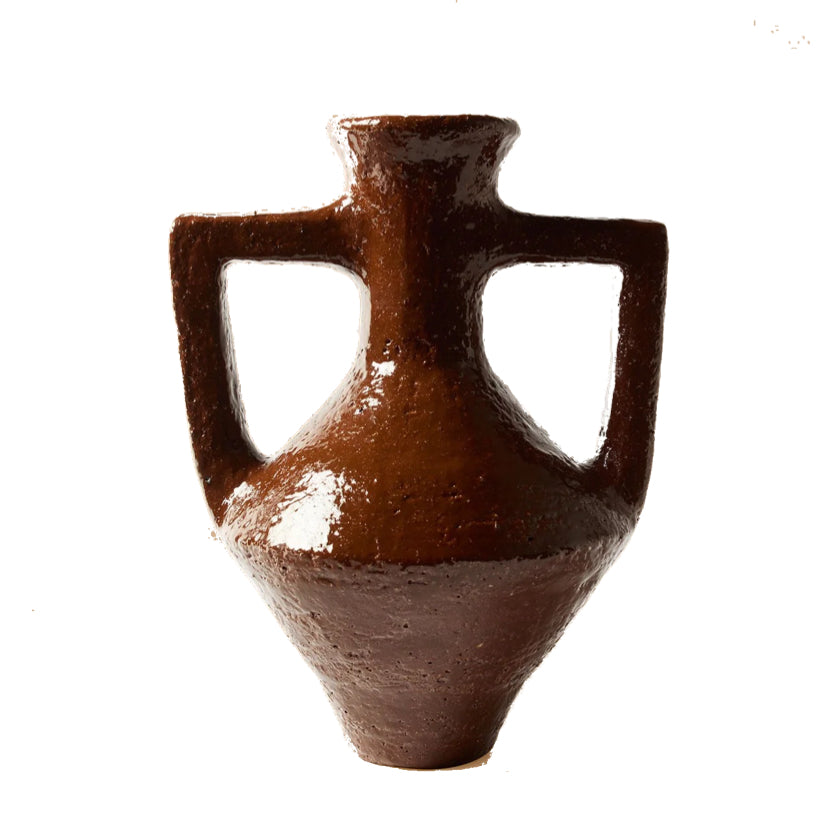
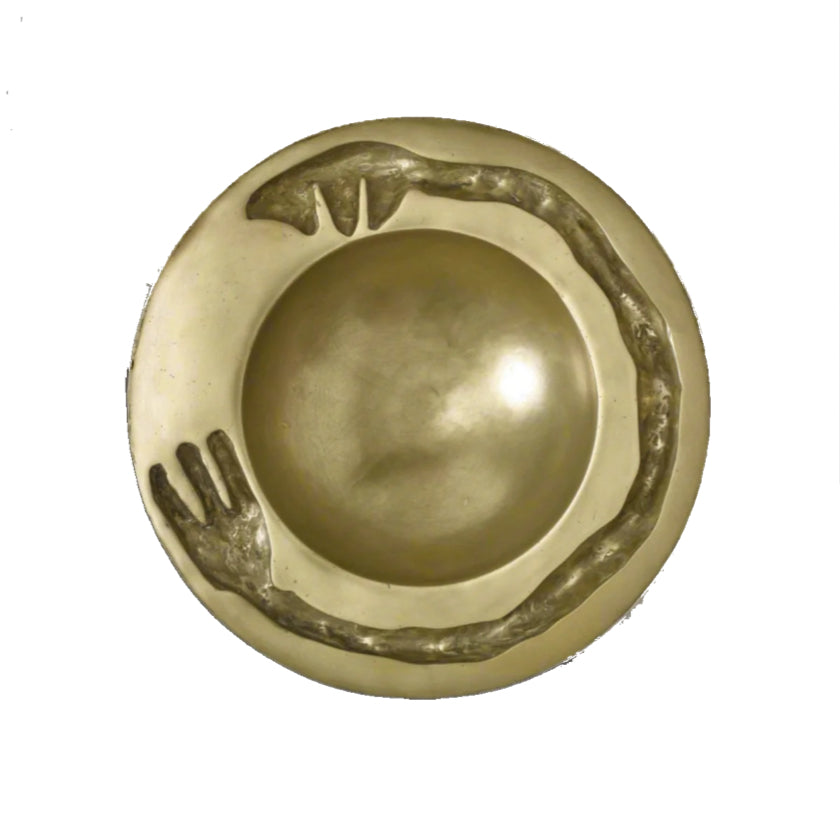
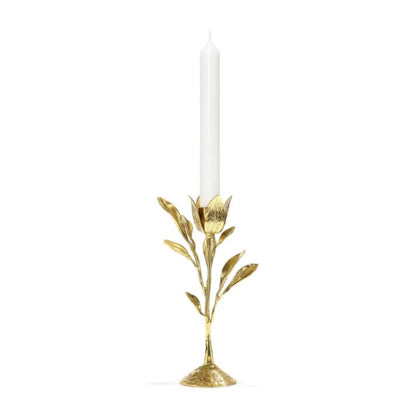
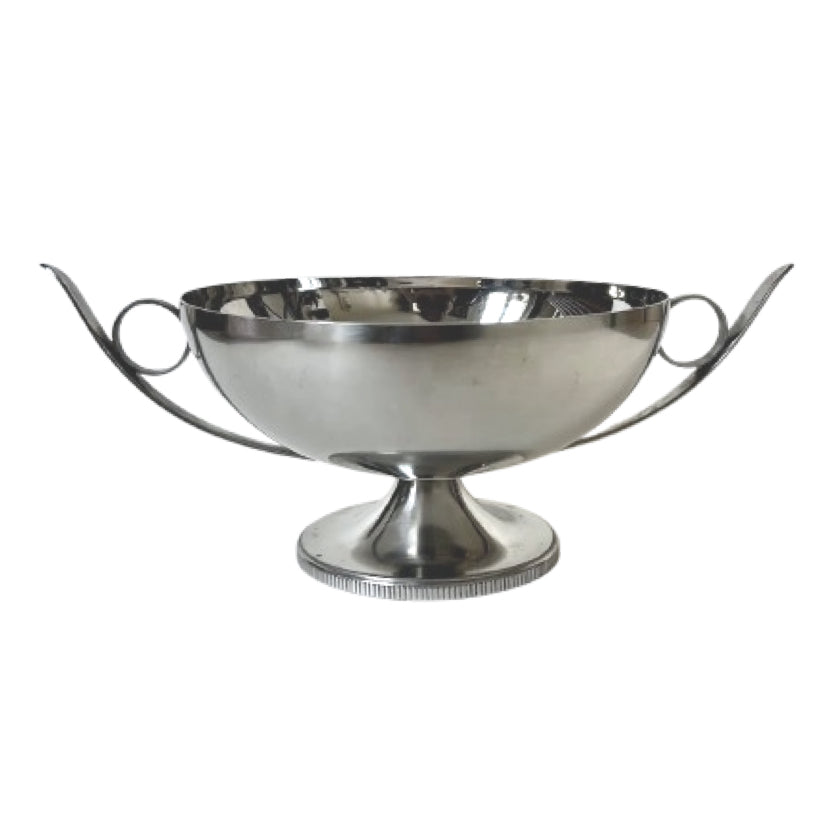
Show Filter
The allure of Art Nouveau painting
Explore our collection of wall painting design to see how art nouveau painting can enhance your space.
Each piece in our selection shows innovation and harmony with nature. We offer artworks that demonstrate the technical skill of the artists. Floral motifs, graceful figures, and elegant compositions reveal the connection between the artwork and its audience.
Our focus on art nouveau painting comes from a commitment to craftsmanship. The attention to detail and emotional resonance of each piece tells a unique story. The movement highlights the relationship between art and our lives, emphasizing aesthetics in our everyday surroundings. As you browse our collection, you may sense the passion and dedication that went into each creation.
The heritage of architecture in the Art Nouveau movement connects nature and design. Emerging in the late 19th century, this architectural style is known for organic forms and flowing lines. Architects moved away from rigid structures, embracing a harmonious relationship with the environment. Buildings adorned with sinuous curves and floral motifs reflect the integration of nature into their design.
Hector Guimard is a prominent figure in this movement. His work on the Paris Métro entrances exemplifies the blend of architecture and artistic expression. His designs, with whimsical shapes and elaborate ironwork, show how architecture can tell a story, inspired by the flora and fauna around them. Antoni Gaudí's work in Barcelona also emphasizes this synergy, where architecture becomes a living entity filled with energy and creativity. This movement challenged conventions, paving the way for future design philosophies.
The elegance of design in the art nouveau movement features flowing lines and intricate patterns inspired by nature. This style blends various artistic disciplines, including architecture, furniture, and graphic design, creating a cohesive aesthetic that is both functional and beautiful. The motifs often include organic shapes reminiscent of flowers and plants, adding serenity and grace to spaces.
Incorporating art nouveau design into your home can be rewarding. Start by selecting key pieces that resonate with the movement's organic themes, such as furniture with curvilinear forms or decorative elements adorned with floral motifs. When styling, consider a color palette that aligns with the art nouveau ethos, often featuring soft, muted tones or rich jewel colors. Mixing materials like glass, wood, and metal can create a cohesive look. This approach allows the beauty of art nouveau design to shine while ensuring your space feels inviting and uniquely yours.
Frequently Asked Questions
Art Nouveau painting is characterized by organic forms, flowing lines, and intricate patterns inspired by nature. It often features asymmetrical designs, floral motifs, and a sense of movement, reflecting the broader Art Nouveau movement's embrace of decorative arts. The use of soft colors and delicate compositions conveys a romantic and whimsical aesthetic that distinguishes this style from more traditional art movements.
Authentic Art Nouveau paintings can be identified by their distinctive stylistic elements, such as sinuous lines, natural themes, and decorative details. Look for artists associated with the movement, like Alphonse Mucha or Gustav Klimt. Materials used often include oil paints on canvas or wood. Additionally, examining provenance and exhibition history can help authenticate a piece, as many works were produced during the late 19th to early 20th centuries.
Art Nouveau painting originated in Europe during the late 19th century, primarily in France, Belgium, and Austria. The movement emerged as a reaction against academic art and industrialization, emphasizing craftsmanship and decorative design. This style influenced various disciplines, including architecture, graphic design, and the decorative arts. We see its impact in the works of artists and architects who sought to integrate art into everyday life through harmonious and organic forms.