


Art Deco Porcelain reflects the bold aesthetics of the 1920s and 30s. This collection includes pieces like art deco vases and dinnerware sets, showcasing geometric patterns and rich colors such as gold, navy, and white. Each item is crafted by artisans who painted these pieces by hand. The Clarice Cliff teapot stands out with its dynamic design, while Art Nouveau pottery adds intricate details to the collection.
Art deco porcelain
Show Filter
The allure of Art Deco porcelain
Art deco porcelain pieces can elevate gatherings, much like decorative dishes that enhance the atmosphere.
This selection highlights the traits that define the Art Deco movement. Each item is chosen for its appeal and historical context, allowing collectors to own a piece of cultural history. The colors and shapes of these porcelain creations suit both display and everyday use.
Art deco porcelain pieces often stand out at gatherings. A crafted teapot can draw attention, while a well-designed dinnerware set improves the dining experience. These items fit into modern settings while keeping their historical character.
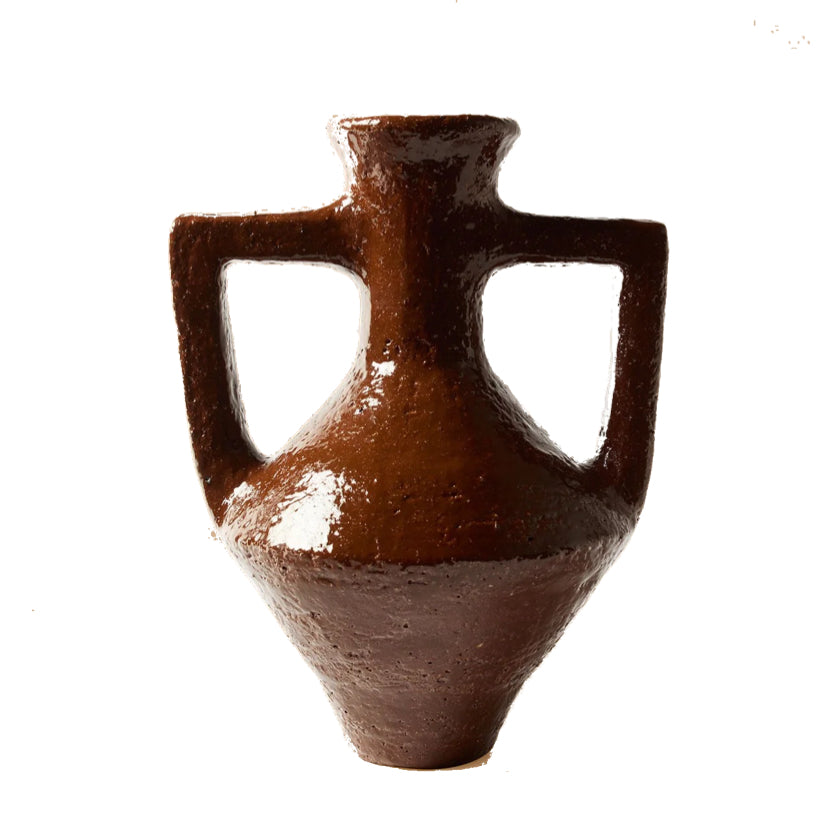
Vases from the Art Deco era capture the spirit of the times. They often feature bold geometric shapes and vibrant colors, inspired by technological advancements and the energy of the Roaring Twenties. Materials like porcelain and glass allowed artisans to create functional and visually striking pieces.
Historically, vases have represented beauty and abundance. During the Art Deco period, they became platforms for artists to showcase their creativity. The patterns and motifs reflect cultural influences, including elements from ancient Egyptian and Aztec art. Collecting these vases is a passion for many, as each piece carries a narrative of the era.
These vases serve both aesthetic and practical purposes, whether displayed alone or as part of a larger dinnerware set. Teapots and plates from this era complement the artistry of the vases, creating a cohesive dining experience. As you admire these vases, consider their role in visual spaces.
Incorporating dinnerware into your home adds sophistication to meals. Consider how the colors and patterns match your dining space. A delicate floral pattern may suit a rustic wooden table, while geometric designs fit a contemporary setting. The goal is to ensure that the dinnerware complements your decor.
When setting your table, layer your dinnerware for a polished look. Start with a charger plate, then add your dinner plate, salad plate, and bowl. Including matching serving pieces, like a teapot or vase, can improve the overall presentation. Additionally, arrange utensils and glassware to create an inviting atmosphere for guests.
Caring for your dinnerware is important for preserving its beauty. Always follow the manufacturer's care instructions. Hand washing delicate pieces is recommended to avoid chips and scratches. If your dinnerware is dishwasher-safe, use a gentle cycle and avoid harsh detergents. Store your dinnerware carefully, placing felt padding between plates to prevent damage.
Frequently Asked Questions
Art deco porcelain design features bold geometric shapes, vibrant colors, and intricate patterns. This style emerged in the 1920s and 1930s, reflecting the optimism of the era. Typical motifs include sunbursts, zigzags, and stylized floral designs. Materials often include fine china and high-quality glazes, enhancing both the aesthetic appeal and durability.
To identify authentic art deco porcelain, examine the craftsmanship and design elements. Look for distinctive geometric patterns, vibrant colors, and high-gloss finishes typical of the era. Check for maker's marks, as many renowned manufacturers, like Clarice Cliff, stamped their pieces. Authentic art deco porcelain often has a heavier weight and finer detailing compared to later reproductions.
Art deco porcelain pieces can often be found at specialized antique shops, estate sales, and auctions focused on vintage collectibles. Explore online platforms that feature collections of art deco items. Museums with decorative arts exhibitions may showcase significant pieces, providing a deeper understanding of the style's historical context.