


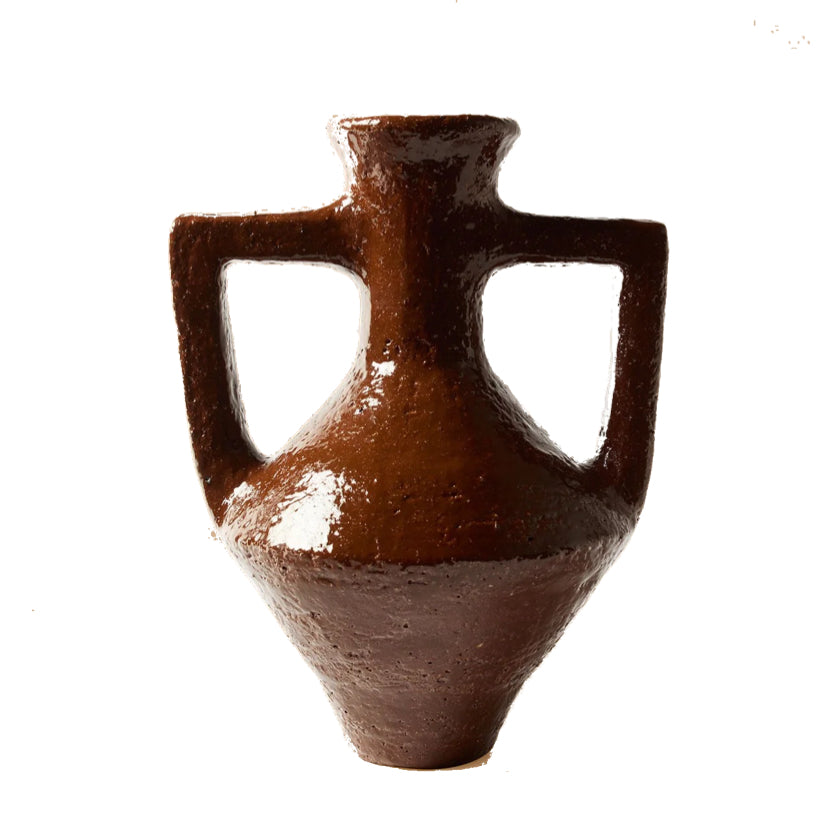
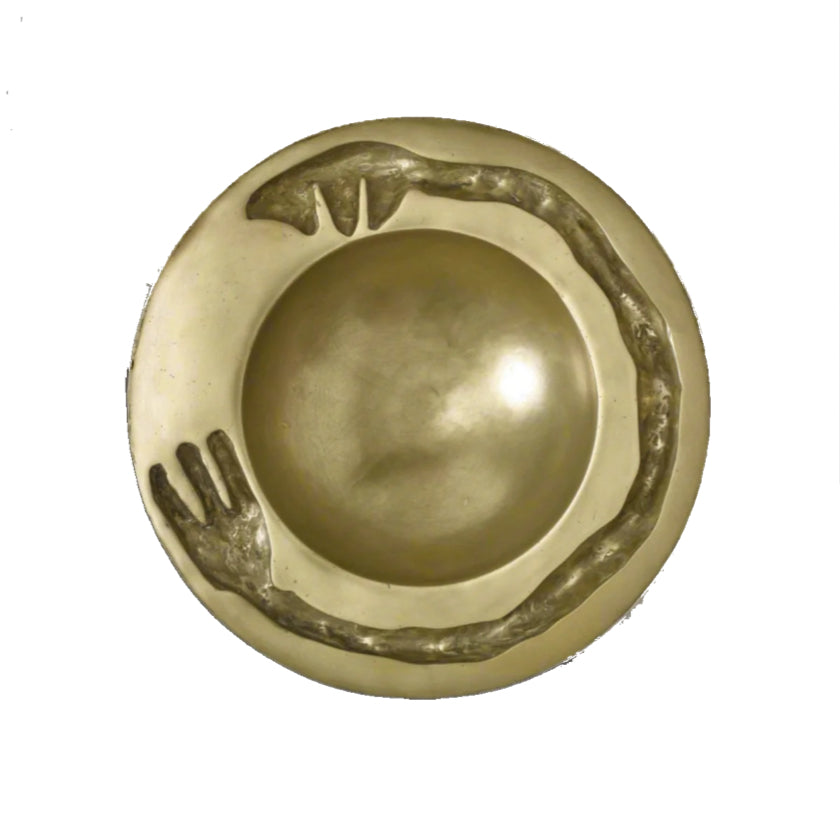
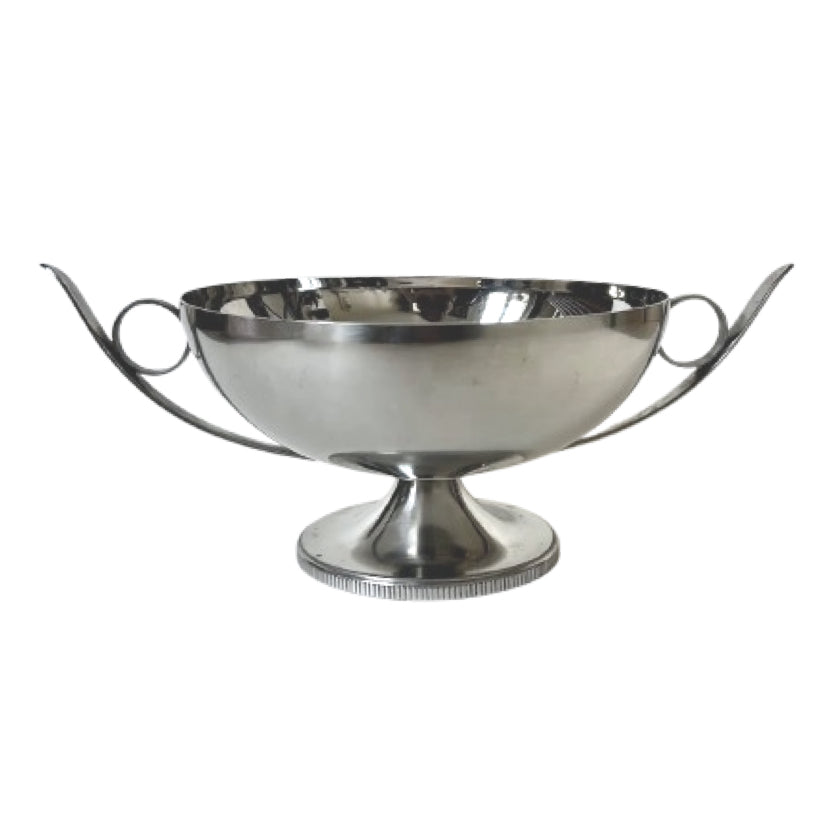
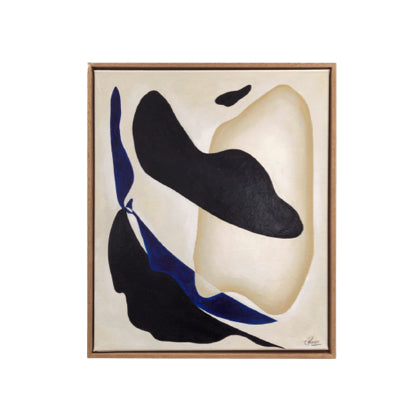
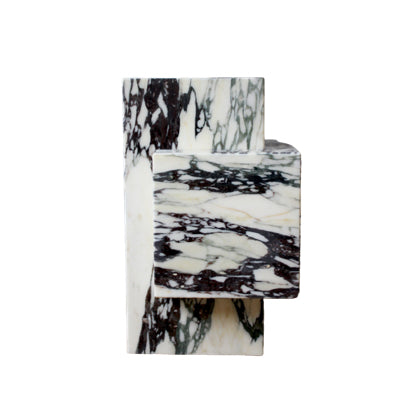
In minimalism art, the principle of 'less is more' is essential. This collection focuses on the fundamental elements of form and color. The artworks prioritize clarity, demonstrating how functionality aligns with aesthetics. It features pieces from both vintage and contemporary artists, highlighting the enduring nature of minimalism design philosophy. Common materials include wood, metal, and glass, often used in their natural forms to enhance the designs' authenticity. The minimalism art in this collection showcases the precision and skill that define this style.
Minimalism art
Show Filter
Understanding the philosophy behind minimalism art
This style is a fitting choice for modern home decor where simplicity prevails.
This collection includes works that embody the principles of minimal art. Each piece balances color, texture, and composition, ensuring every detail serves a purpose. This approach is ideal for modern spaces. Minimalism art connects with a wide audience while offering a personal experience for each viewer.
In this collection, we appreciate restraint. Each artwork allows viewers to engage with it directly. By focusing on essential design elements, we show how minimalism can create a strong impact. The craftsmanship behind these pieces is impressive, reflecting the dedication that goes into creating minimalist art.
Minimal art is known for its simplicity and clarity, often removing unnecessary elements to reveal the essence of form and color. This method emphasizes space, light, and the viewer's experience. Artists such as Donald Judd and Agnes Martin demonstrate how minimal art can challenge traditional views of beauty through basic elements. Their works often incorporate geometric shapes and a limited color palette, creating a harmonious balance.
Minimal art emerged in the late 1950s, gaining popularity throughout the 1960s as a response to Abstract Expressionism. Artists aimed to create a new language through their work, prioritizing objectivity and the physical presence of art. This movement influenced architecture, design, and music, reflecting a cultural shift toward simplicity and functionality. As minimal art continues to develop, its influence remains strong, prompting a reevaluation of art's possibilities.
The minimalist aesthetic brings balance to any environment. When adopting this style, consider a neutral color palette that acts as a backdrop for your decor. Focus on clean lines and functional pieces that are both attractive and purposeful. When selecting furniture, think about how each item contributes to an atmosphere of simplicity. By minimizing ornamentation and clutter, you allow each piece to shine, creating an open environment.
To enhance the minimalist aesthetic, lighting is essential. Maximize natural light whenever possible; sheer curtains can soften bright sunlight while maintaining an airy feel. Incorporating geometric shapes in lighting fixtures adds an artistic touch without overwhelming the design. Keep accessories to a minimum, choosing a few carefully selected pieces that reflect your style. This thoughtful selection cultivates a space where each item has a purpose.
Maintaining a space styled with a minimalist aesthetic requires regular upkeep. Fewer items mean each piece gains prominence. Dusting and cleaning should be done carefully to preserve surface integrity. When adding new items, prioritize quality over quantity. Invest in durable materials that endure over time, ensuring your minimalist aesthetic remains functional and visually appealing.
Frequently Asked Questions
Minimalism art is defined by its simplicity and emphasis on form, color, and line. It often uses geometric shapes, monochromatic palettes, and a reduction of detail. This movement arose in the late 1950s as a response to abstract expressionism, focusing on materials and objects. The approach allows viewers to appreciate beauty in simplicity.
Incorporating minimalism art into home decor involves selecting pieces that emphasize simplicity and clarity. Choose artworks with clean lines and muted colors to create a cohesive look. Large-scale pieces can serve as focal points while maintaining open space around them. Our collection features various minimalist artworks that can enhance the sophistication of your living environment.
Minimalism art has gained traction in modern design due to its focus on simplicity, functionality, and the concept of 'less is more.' This aesthetic aligns well with contemporary lifestyles that favor clean lines and uncluttered spaces. The movement's emphasis on high-quality materials resonates with individuals looking to create serene environments.